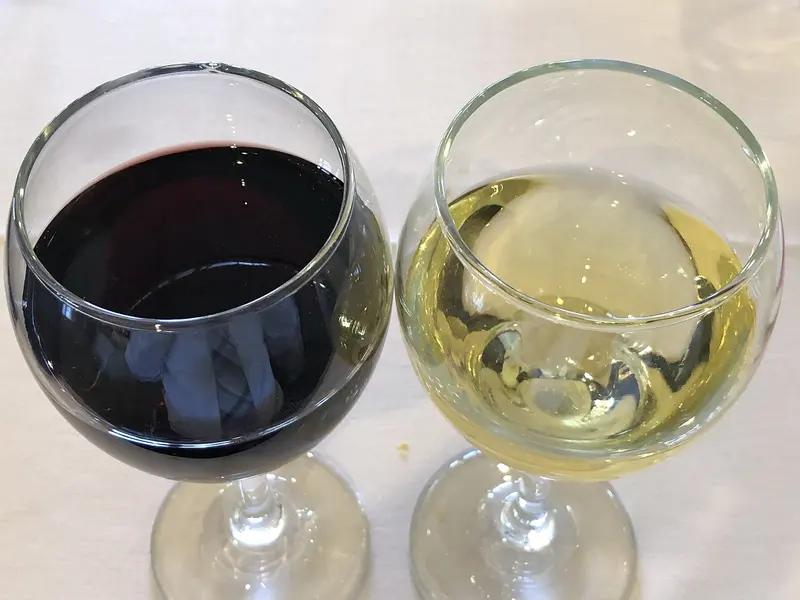
A wine label can look like a puzzle of grape names, regions and medals, but a few things on it are set by law and are worth knowing. This guide explains them, using GOV.UK's food labelling guidance, the wine rules published on legislation.gov.uk and the NHS's units advice.
What the label must show
GOV.UK's labelling guidance says drinks of more than 1.2% alcohol must show:
- the name of the drink;
- the net quantity (for example 75 cl);
- the alcoholic strength (ABV) as a percentage.
These three must be in the same field of view, so you can see them together. Since 1 January 2024, pre-packed drinks sold in Great Britain must also carry a UK address for the business responsible. Drinks of 10% ABV or more must carry a lot number — but don't need a best-before date.
What it doesn't have to show
Alcoholic drinks of more than 1.2% ABV are exempt from the ingredients list that other foods must carry, which is why most wines don't list what's in them. Allergens are the exception (see below).
Sulphites
Sulphur dioxide and sulphites are among the 14 allergens that must be declared when there is more than 10 mg per litre. They are widely used in winemaking, so most bottles say 'contains sulphites'. If you react to sulphites, look for that line — and see our allergens in drinks article for the other allergens that can turn up in drinks.
Dry, medium or sweet?
For still wines, the sweetness words have legal limits based on the sugar left in the wine:
- Dry: no more than 4 g per litre (or up to 9 g if the wine is acidic enough to balance it).
- Medium dry: up to 12 g per litre (or up to 18 g with enough acidity).
- Medium or medium sweet: up to 45 g per litre.
- Sweet: 45 g per litre or more.
Sparkling wines use a different scale, so the same word means more sugar on a bottle of fizz: extra dry is 12–17 g per litre, dry is 17–32 g, medium dry is 32–50 g, and sweet is over 50 g. A 'dry' sparkling wine can taste noticeably sweeter than a 'dry' still one.
Turning the ABV into units
The ABV is the most useful number on the bottle. Wines vary a lot, so check it rather than assuming. The NHS formula is ABV × volume in ml ÷ 1,000 = units, and it gives these examples:
- a small 125 ml glass of 12% wine: 1.5 units;
- a standard 175 ml glass of 12% wine: 2.1 units;
- a large 250 ml glass of 12% wine: 3 units;
- a 750 ml bottle of 13.5% wine: 10 units.
So a large glass of a 14% red is 3.5 units (14 × 250 ÷ 1,000) — a quarter of the weekly guideline in one glass.
Low and no
Wines labelled alcohol free, de-alcoholised or low alcohol have their own descriptors with set strengths — they are explained in our guide to alcohol-free and low-alcohol drinks.
Serving
For the right glass, see our glassware guide. Wine also turns up in several of our drinks, from a Kir to mulled wine.
Sources
- GOV.UK — Food labelling: giving food information to consumers
- legislation.gov.uk — Regulation (EU) 2019/33, Annex III: terms for sugar content in wine (revised)
- Food Standards Agency (GOV.UK) — Food allergy and intolerance advice for consumers
- NHS — Alcohol units
Checked when this entry was written. Links open the original source in a new tab.