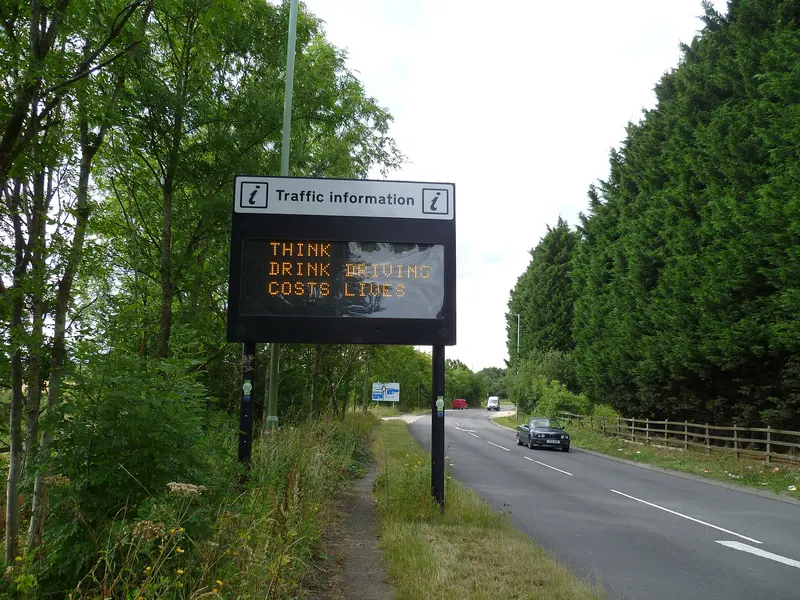
The simplest rule is the one the UK Chief Medical Officers give: avoid alcohol altogether if you're planning to drive. This guide explains the legal limits, why you can't count your way to staying under them, and why the morning after catches people out. It's general information, not legal or medical advice.
The legal limits
The limits are set as the amount of alcohol in your breath, blood or urine. Scotland's are lower than the rest of the UK (GOV.UK):
- England, Wales and Northern Ireland: 35 micrograms per 100 ml of breath; 80 milligrams per 100 ml of blood; 107 milligrams per 100 ml of urine.
- Scotland: 22 micrograms per 100 ml of breath; 50 milligrams per 100 ml of blood; 67 milligrams per 100 ml of urine.
How many drinks is that?
There's no reliable answer. GOV.UK says it's impossible to say exactly how many drinks would take you over the limit, because the way alcohol affects you depends on your weight, age, sex and metabolism, the type and amount of alcohol, what you've eaten recently and your stress levels. The government's THINK! road safety campaign puts it plainly: if you're driving, it's better to have none for the road.
Strength matters too. Many cocktails contain two units or more of spirit (see units in cocktails), and a pint of stronger beer or cider can be three units (NHS).
The morning after
Alcohol leaves the body slowly. The NHS says one unit is around the amount the average adult can process in an hour, and that this varies from person to person. A long evening's drinking can therefore still be in your system the next morning, even after a night's sleep.
Drinkaware adds that:
- the only way to get rid of alcohol is to let time pass
- a cup of coffee or a cold shower won't do anything to remove it
- the safest approach is to avoid alcohol completely the night before you have to drive, and if you're not sure, don't drive.
The penalties
GOV.UK lists these maximum penalties, among others:
- In charge of a vehicle while over the limit or unfit through drink: up to 3 months' imprisonment, a fine of up to £2,500 and a possible driving ban.
- Driving or attempting to drive while over the limit or unfit through drink: up to 6 months' imprisonment, an unlimited fine, and a ban of at least 1 year (3 years if convicted twice in 10 years).
- Refusing to provide a specimen of breath, blood or urine for analysis: up to 6 months' imprisonment, an unlimited fine and a ban of at least 1 year.
- Causing death by careless driving when under the influence of drink: up to life imprisonment, an unlimited fine, a ban of at least 5 years and an extended driving test before you can get your licence back.
GOV.UK also warns that a conviction can significantly increase your car insurance costs, will be seen by an employer if you drive for work, and may cause problems travelling to countries such as the USA. A drink-driving ban from a UK court applies anywhere in the UK.
Planning a night out
- Decide before you go out whether you're drinking or driving, not both.
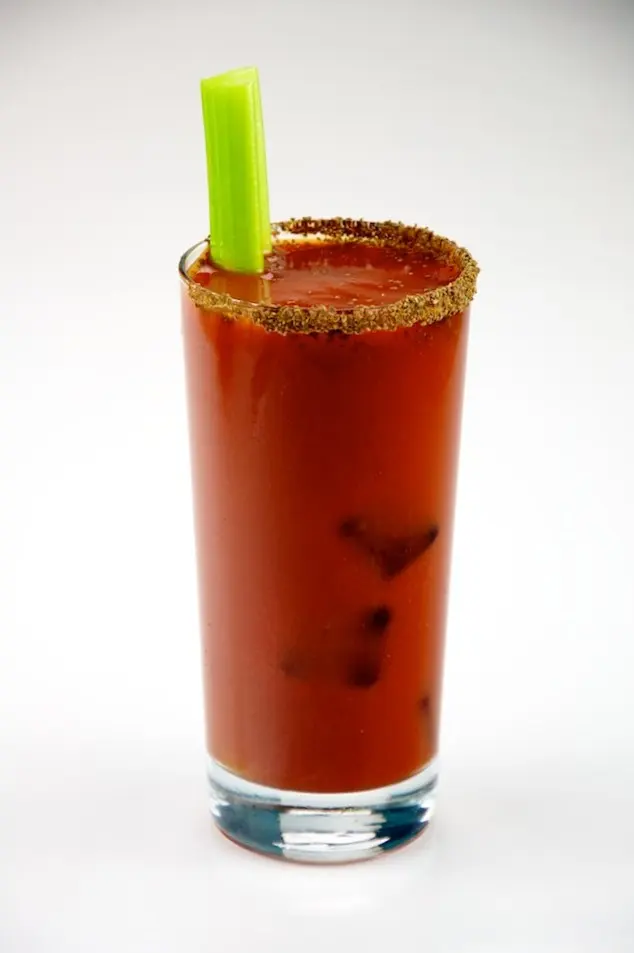
- If you're the driver, there's plenty to drink: try a Virgin Mary, a St Clement's, a Cucumber Mint Cooler or anything from our mocktails.
- Check the label on 'low alcohol' drinks: they can contain up to 1.2% ABV (see alcohol-free and low-alcohol drinks).
- If you've been drinking the night before an early drive, arrange another way to get there.
For the UK low-risk drinking guidelines and where to get help, see drinking responsibly.
Sources
- GOV.UK — The drink drive limit
- GOV.UK — Drink-driving penalties
- THINK! — Drink driving
- NHS — Alcohol units
- UK Chief Medical Officers' Low Risk Drinking Guidelines (August 2016)
- Drinkaware — Can I drive the morning after drinking alcohol?
Checked when this entry was written. Links open the original source in a new tab.