Alcohol-free beers, wines and spirit alternatives are now on most supermarket shelves and pub menus. The words on the label are not interchangeable, though: in the UK each one has a set meaning. This is general information, not medical advice.
The four descriptors
GOV.UK guidance from the Department of Health and Social Care, published in December 2018, sets out four terms for drinks of 1.2% ABV or less that are sold as an alternative to alcoholic drinks. Using them is voluntary, but if a producer does use one, these are the conditions:
- Alcohol free: a drink that has had its alcohol taken out and contains no more than 0.05% ABV. The label should also give the ABV, or say that the drink contains no alcohol.
- De-alcoholised: a drink that has had its alcohol taken out and contains no more than 0.5% ABV. The label should also show its strength, or say that it contains no alcohol.
- Low alcohol: a drink of 1.2% ABV or below, with its maximum ABV on the label.
- Non-alcoholic: should not be used alongside a name usually associated with an alcoholic drink, so you shouldn't see 'non-alcoholic beer' or 'non-alcoholic gin'. The one exception is non-alcoholic wine made from unfermented grape juice intended only for communion or sacramental use.
The guidance replaced rules in the Food Labelling Regulations 1996, which were revoked on 13 December 2018. It also reminds producers that general labelling law still applies: information must not be misleading and must be clear and accurate.
Is a change on the way?
In autumn 2023 the government consulted on updating this guidance, including whether drinks of up to 0.5% ABV could be called 'alcohol free'. When we checked on 19 November 2026, the GOV.UK consultation page still said the feedback was being analysed, and the 2018 guidance was the current version. We'll update this guide if that changes.
Read the ABV, not just the name
Because the words cover different strengths, the most useful thing on the label is the ABV figure. A drink sold as 'low alcohol' can contain up to 1.2% alcohol, while one sold as 'alcohol free' contains no more than 0.05%. The NHS suggests swapping strong beers or wines for ones with a lower ABV as a way to cut down, and the ABV is printed on the bottle or can.
Working out the units
The NHS formula works for any drink: strength (ABV %) × volume (ml) ÷ 1,000 = units. One unit is 10 ml of pure alcohol. Some worked examples:
- 330 ml bottle at 0.05%: 0.05 × 330 ÷ 1,000 = about 0.02 units
- 330 ml bottle at 0.5%: 0.5 × 330 ÷ 1,000 = about 0.17 units
- pint (568 ml) at 1.2%: 1.2 × 568 ÷ 1,000 = about 0.7 units
- for comparison, the NHS counts a 330 ml bottle of 5% beer as 1.7 units
So a lower-strength drink can take a big bite out of your units, but anything above 0.05% is not completely alcohol-free.
Who should check the label carefully
The UK Chief Medical Officers advise that if you're pregnant or think you could become pregnant, the safest approach is not to drink alcohol at all, and the NHS gives the same advice. If you're unsure whether a particular low-alcohol drink is suitable, ask your midwife or GP. The same goes if you've been advised to avoid alcohol for a medical reason, or if you're cutting out alcohol completely: look for 'alcohol free' or 0.0% rather than 'low alcohol'.
If you're driving, see drink-driving and the morning after.
Making your own
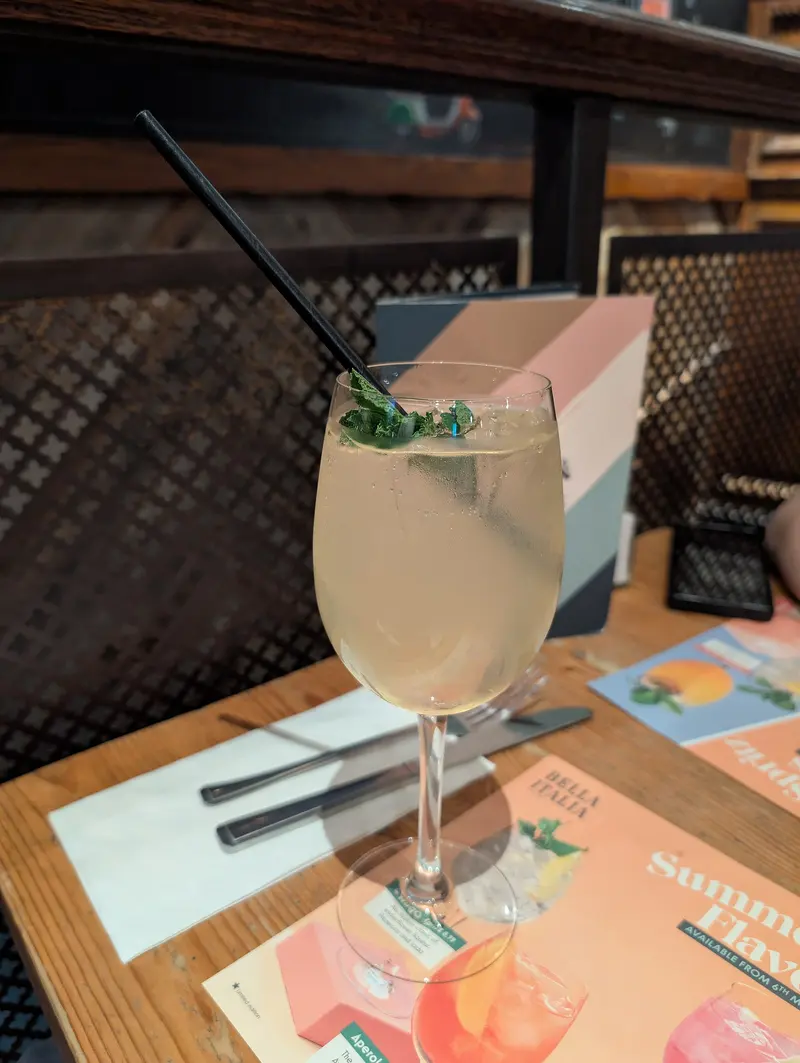
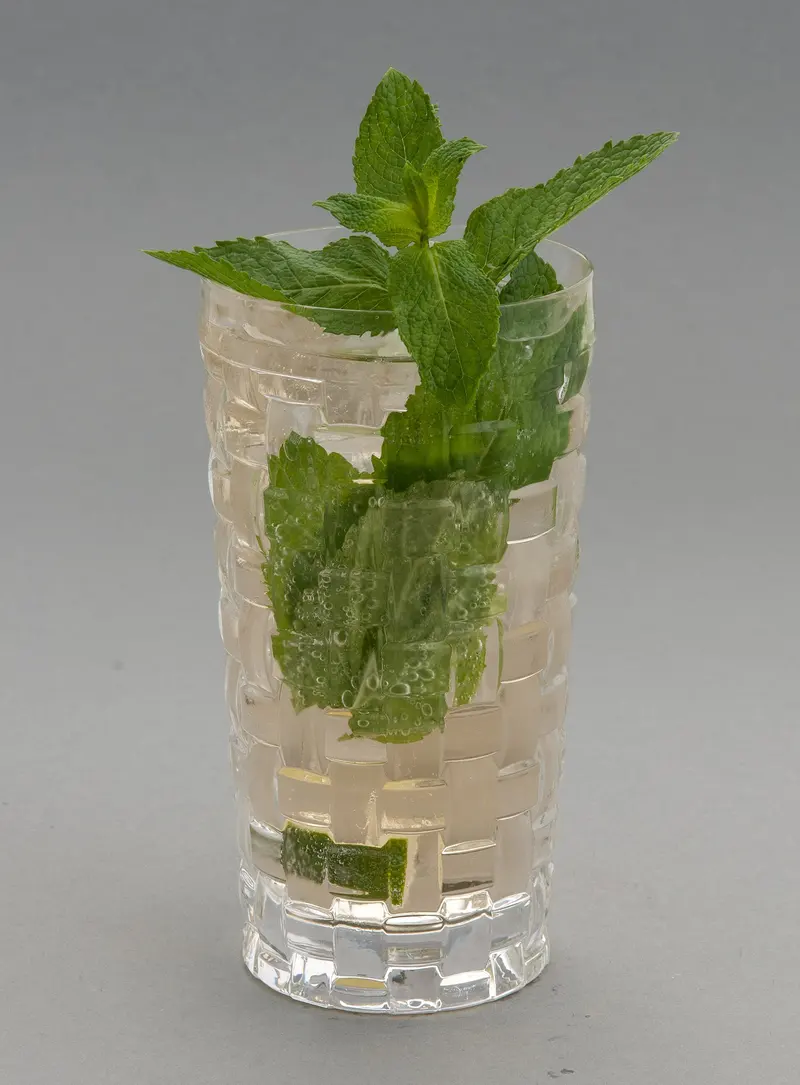
The simplest alcohol-free drinks are the ones you mix yourself, where you know exactly what's in the glass. Try our mocktails, such as the Virgin Mojito, Elderflower Spritz and Ginger Lime Fizz, or a homemade lemonade.
For the full UK guidelines on drinking, see drinking responsibly.
Sources
- GOV.UK — Low alcohol descriptors (December 2018)
- GOV.UK — Low alcohol descriptors guidance (PDF)
- GOV.UK — Updating labelling guidance for no and low-alcohol alternatives (consultation)
- NHS — Alcohol units
- NHS — Tips on cutting down alcohol
- UK Chief Medical Officers' Low Risk Drinking Guidelines (August 2016)
- NHS — Foods to avoid in pregnancy
Checked when this entry was written. Links open the original source in a new tab.