When people think about food allergies, they usually think about food. But drinks can contain allergens too, sometimes in places you wouldn't expect: egg white in a classic sour, almond in a tiki syrup, milk in a cream liqueur, sulphites in wine.
With Christmas parties and guests to cater for, this article sets out which drinks commonly contain allergens, what businesses have to tell you, and what the NHS says to do in an emergency. It is general information; if you have an allergy, follow the advice of your own doctor or allergy team.
The 14 allergens
The Food Standards Agency (FSA) lists 14 allergens that must be declared:
- celery
- cereals containing gluten (such as wheat, rye, barley and oats)
- crustaceans
- eggs
- fish
- lupin
- milk
- molluscs
- mustard
- peanuts
- sesame
- soybeans
- sulphur dioxide and sulphites (above 10 parts per million)
- tree nuts (such as almonds, hazelnuts, walnuts and cashews)
Where they turn up in drinks
From the recipes on this site, the common ones are:
Eggs
Many classic sours are shaken with egg white for a silky foam: a whiskey sour, pisco sour or Clover Club, for example. Our recipe pages list egg white as an ingredient, and some drinkers make sours without it.
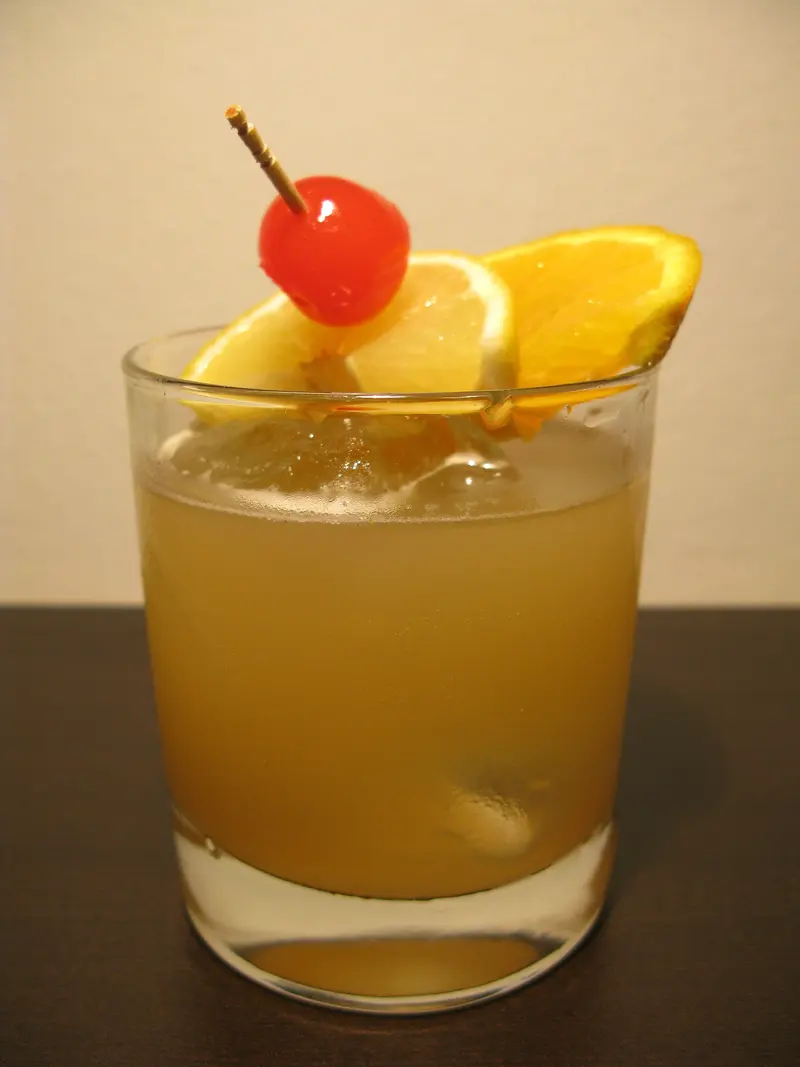
No. 021 · Cocktail · IBA
Whiskey Sour
Bourbon, lemon and sugar syrup shaken, with optional egg white for a soft foam.
Photo: Martin Asche, CC BY-SA 3.0
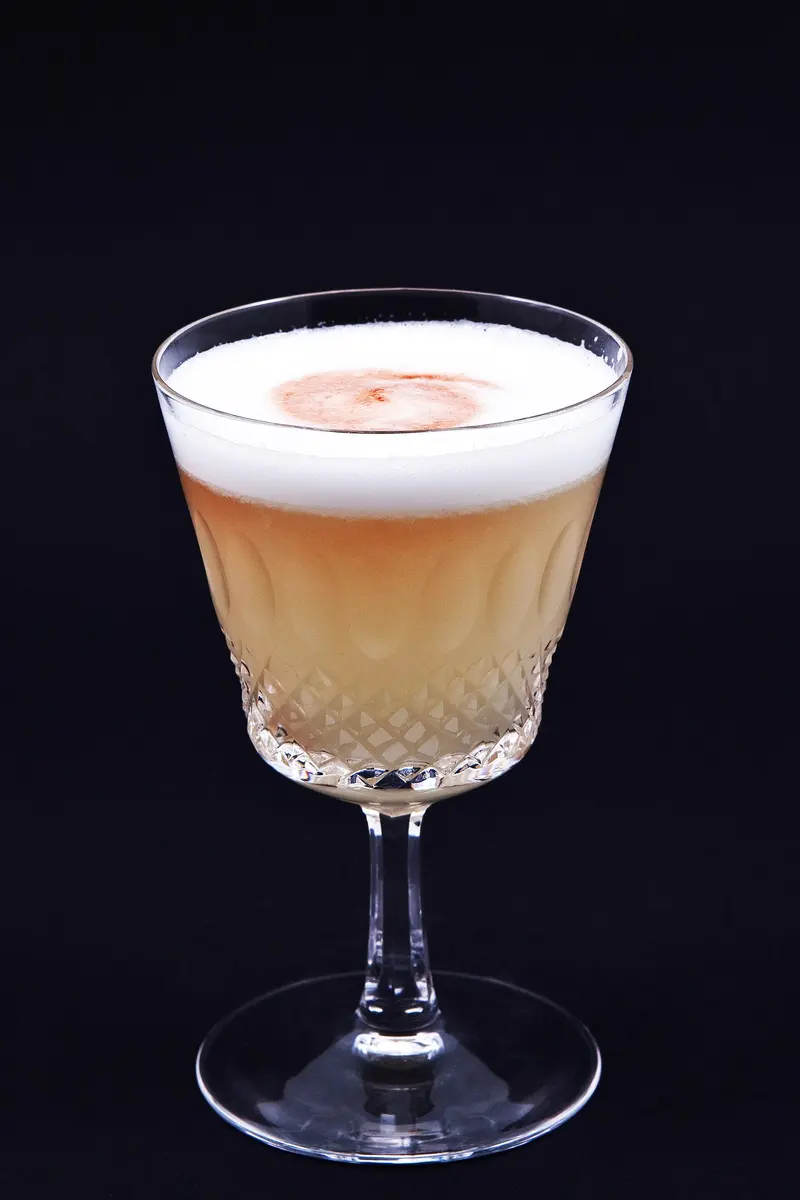
No. 053 · Cocktail · IBA
Pisco Sour
Pisco, lemon, sugar syrup and a whole egg white shaken to a thick foam, scented with bitters.
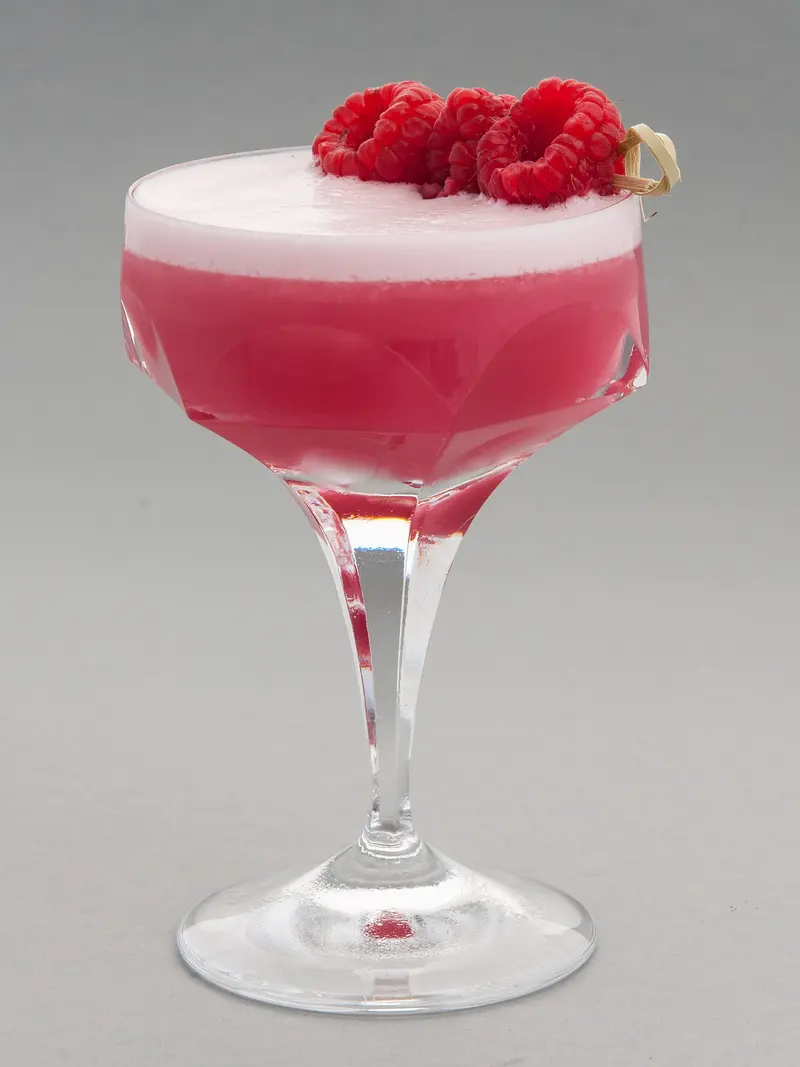
No. 026 · Cocktail · IBA
Clover Club
Gin, raspberry syrup, lemon and a little egg white shaken to a pink, foamy sour.
Photo: Ralf Roletschek, CC BY-SA 3.0
Milk
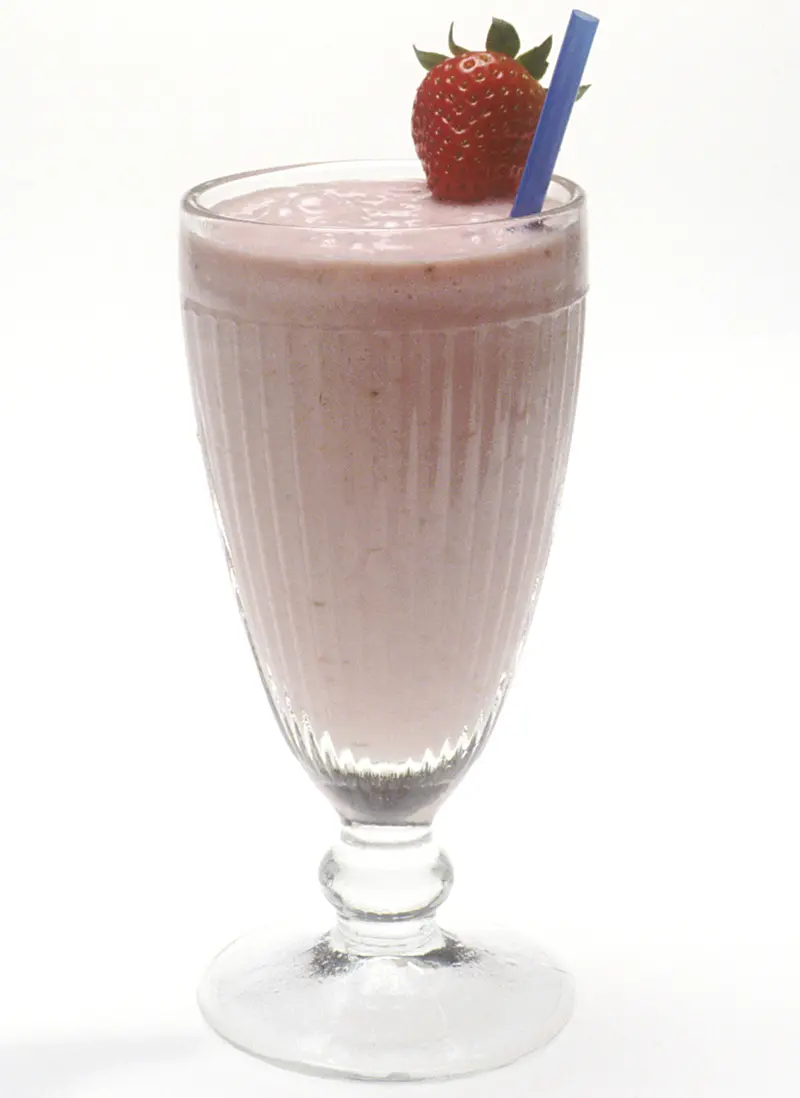
Cream liqueurs, cream-topped coffees, milkshakes and drinks such as a White Russian or Grasshopper contain milk. So do many hot chocolates and most coffees from a café.
Tree nuts and peanuts
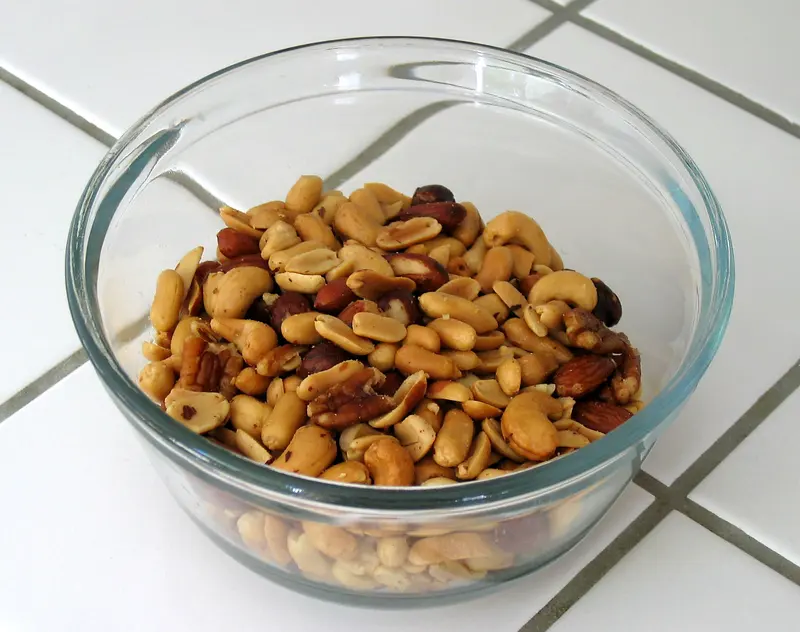
Nut-flavoured liqueurs and syrups are the ones to check: our Mai Tai recipe, for example, uses orgeat, an almond syrup, and our peanut butter milkshake is exactly what it sounds like. Flavoured coffee syrups and liqueurs vary, so read the label.
Cereals containing gluten
Barley and wheat are both on the FSA's list as cereals containing gluten, so check beer labels. Some beers are sold as gluten-free; look for that on the label rather than assuming.
Sulphites
Sulphur dioxide and sulphites must be declared when they are above 10 parts per million, which is why you will see 'contains sulphites' on many wine labels. Check cider and other drinks too.
What pubs, bars and restaurants must tell you
The FSA's guidance for food businesses says they must provide allergen information for both prepacked and non-prepacked food and drink. For drinks made to order, that information can be given verbally, as long as there is a written notice in a clearly visible place explaining how to get it, or it can be written on a menu, chalkboard or information pack.
The FSA's view is that "written allergen information, supported by a conversation, works best for consumers." So it is always reasonable to ask the bar staff what is in a drink, and they should be able to find out.
Reading labels at home
The FSA's consumer advice is to read the label every time, even on products you buy often, because recipes change. It also points out that a 'may contain' warning (a precautionary allergen label) means there is a known risk of cross-contamination, and that a product labelled vegan can still carry an allergen risk.
If you are making drinks for guests, keep the bottles and cartons until the party is over, so you can check an ingredient if someone asks.
Signs of a serious reaction
The NHS says to call 999 straight away if someone has:
- sudden swelling of the lips, mouth, throat or tongue
- very fast breathing or difficulty breathing, a tight throat or trouble swallowing
- blue, grey or pale skin, tongue or lips
- sudden confusion, drowsiness or dizziness, or faints and doesn't respond
For hosting with a good range of alcohol-free drinks too, see our mocktails and home bar basics.
Sources
- Food Standards Agency: Food allergy and intolerance advice for consumers
- Food Standards Agency: Allergen guidance for food businesses (updated 17 July 2026)
- NHS: Food allergy (reviewed 20 August 2026)
Checked when this entry was written. Links open the original source in a new tab.
Checked 22 November 2026.