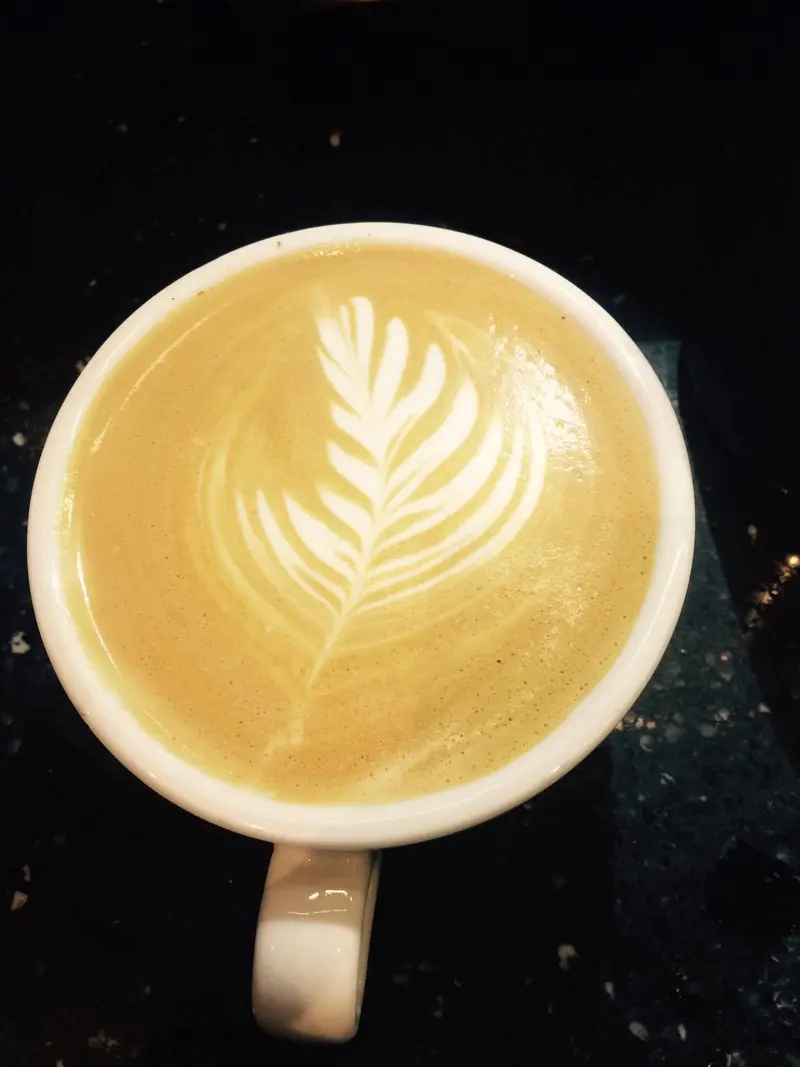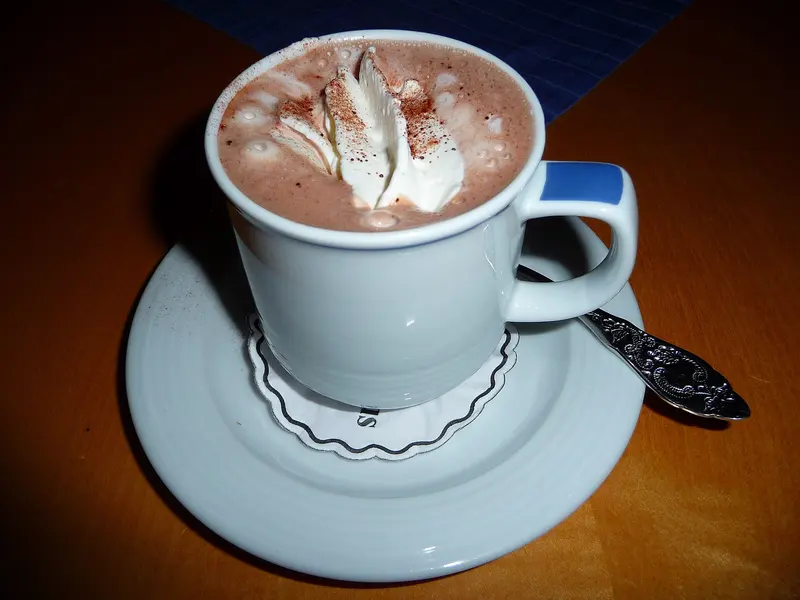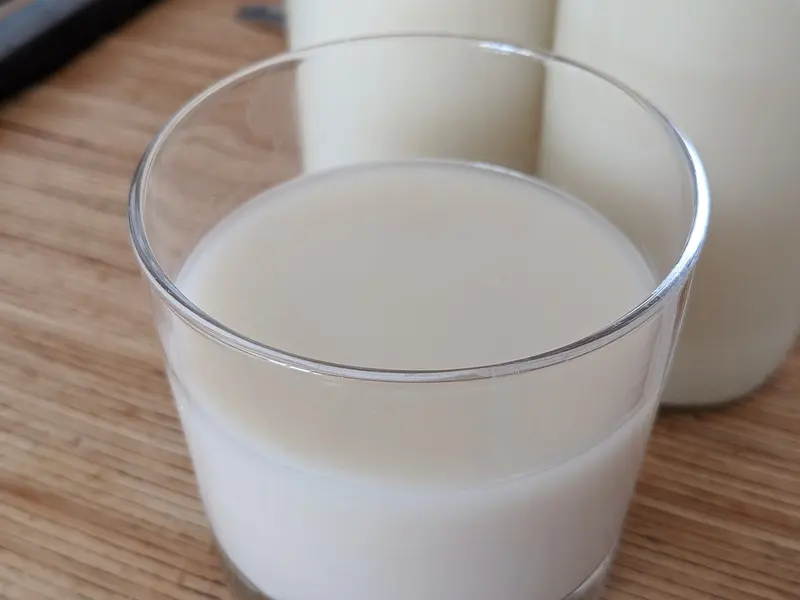
Oat, soya and almond drinks are now as common in a latte as cows' milk. This guide covers what official sources say about choosing them, for your own cuppa and for the family. It is general information, not medical or dietary advice: if you are cutting out dairy for health reasons, the NHS suggests speaking to a GP or dietitian first.
Why the carton says 'drink'
In UK law the word 'milk' means only milk from animals: the retained Regulation (EU) No 1308/2013 defines it as the normal mammary secretion from milking, and reserves names such as cream, butter, cheese and yoghurt for dairy products. That is why supermarket cartons are labelled 'oat drink', 'soya drink' or 'almond drink', even though most of us call them plant milks.
Choose unsweetened and calcium-fortified
The NHS counts unsweetened, calcium-fortified dairy alternatives made from plants such as soya, oats or coconut as part of the dairy food group. Without dairy you may not get enough calcium, which is why the 'fortified' bit matters. Two things to check on the label:
- Calcium — look for it in the nutrition panel or ingredients.
- Sugar — the NHS advises checking dairy alternatives for added sugar. 'Original' or flavoured versions are often sweetened; 'unsweetened' ones are not.
Children
From the NHS's advice on drinks for babies and young children:
- Under 1: babies shouldn't be given any drink called 'milk' as a main drink, including cows' milk or oat, almond or rice drinks.
- From age 1: unsweetened, calcium-fortified soya, oat or almond drinks can be given as part of a healthy, balanced diet.
- Rice drinks: not for children under 5, because of the levels of arsenic in them. The NHS says not to worry if a child has already had some, but to switch to another drink.
- Milk allergy or intolerance: ask a health visitor or GP for a suitable alternative.
Tea and coffee aren't suitable for young children anyway (see caffeine in tea, coffee and soft drinks), but these rules matter for milkshakes, smoothies and hot chocolate made with a plant drink.
Allergens
Several plant drinks are made from one of the 14 allergens that the Food Standards Agency lists:
- Soya drinks — soybeans are an allergen.
- Almond and other nut drinks — almonds are tree nuts.
- Oat drinks — oats are listed among the cereals containing gluten. The NHS says oats themselves don't contain gluten but can be contaminated with other cereals, so people with coeliac disease should choose oats or oat products labelled gluten-free.
Our article on allergens in drinks covers the rest, including what cafés and bars must tell you.
Lactose intolerance
The NHS describes lactose intolerance as a cause of symptoms such as bloating and diarrhoea, not a severe reaction. Plant drinks are one option; lactose-free dairy milk, which has the enzyme lactase added, is another.
Making the swap
Most of our milky drinks work with a plant drink in place of cows' milk — try a caffè latte, a flat white, a matcha latte or a proper hot chocolate. Brands vary, so try a few to find the one you like best in tea or coffee. For coffee itself, see coffee basics, and for tea, how to make a proper cup of tea.
Sources
- NHS — Milk and dairy in your diet (reviewed 11 December 2023)
- NHS — Drinks and cups for babies and young children
- NHS — Coeliac disease: treatment (oats)
- Food Standards Agency (GOV.UK) — Food allergy and intolerance advice for consumers
- legislation.gov.uk — Regulation (EU) No 1308/2013, Annex VII Part III: milk and milk products (revised)
Checked when this entry was written. Links open the original source in a new tab.