However you make coffee, you're controlling four things: how fine the coffee is ground, how much coffee to water, how hot the water is and how long they're in contact. Get those right for your method and you're most of the way there.
Grind fresh, and grind for your method
The National Coffee Association (NCA) recommends buying whole beans and grinding them just before brewing, and using a burr grinder rather than a blade grinder: burrs crush the beans to a more consistent size, so the coffee extracts more evenly.
The rule of thumb: the longer the coffee is in contact with water, the coarser the grind. Espresso, which brews in seconds, needs a fine grind; cold brew, which takes hours, needs a coarse one.
Brew ratios and times
Starting points from the NCA (and, for AeroPress, from the maker):
- Espresso: fine grind; 1 g of coffee to 2 g of liquid espresso (1:2); 20–30 seconds.
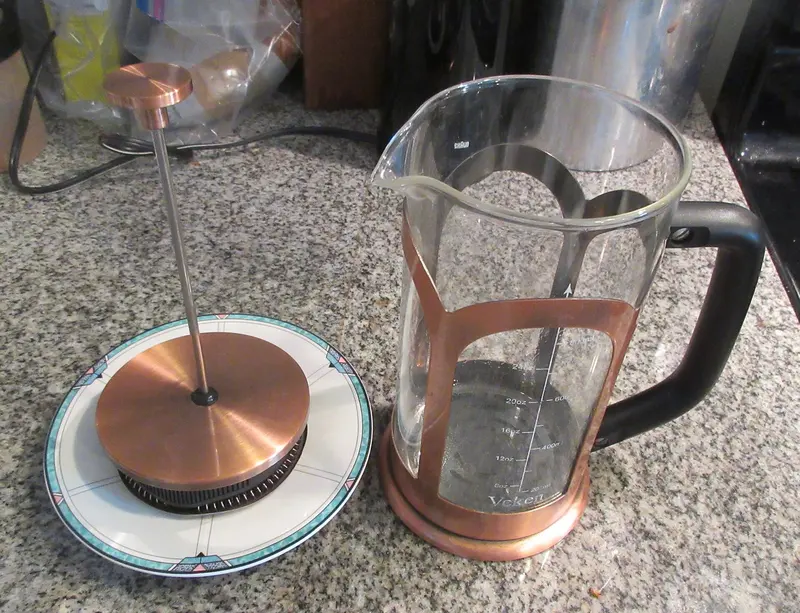
- Cafetière (French press): coarse; 1:10 to 1:16; about 4 minutes; water about 93°C (±3°C).
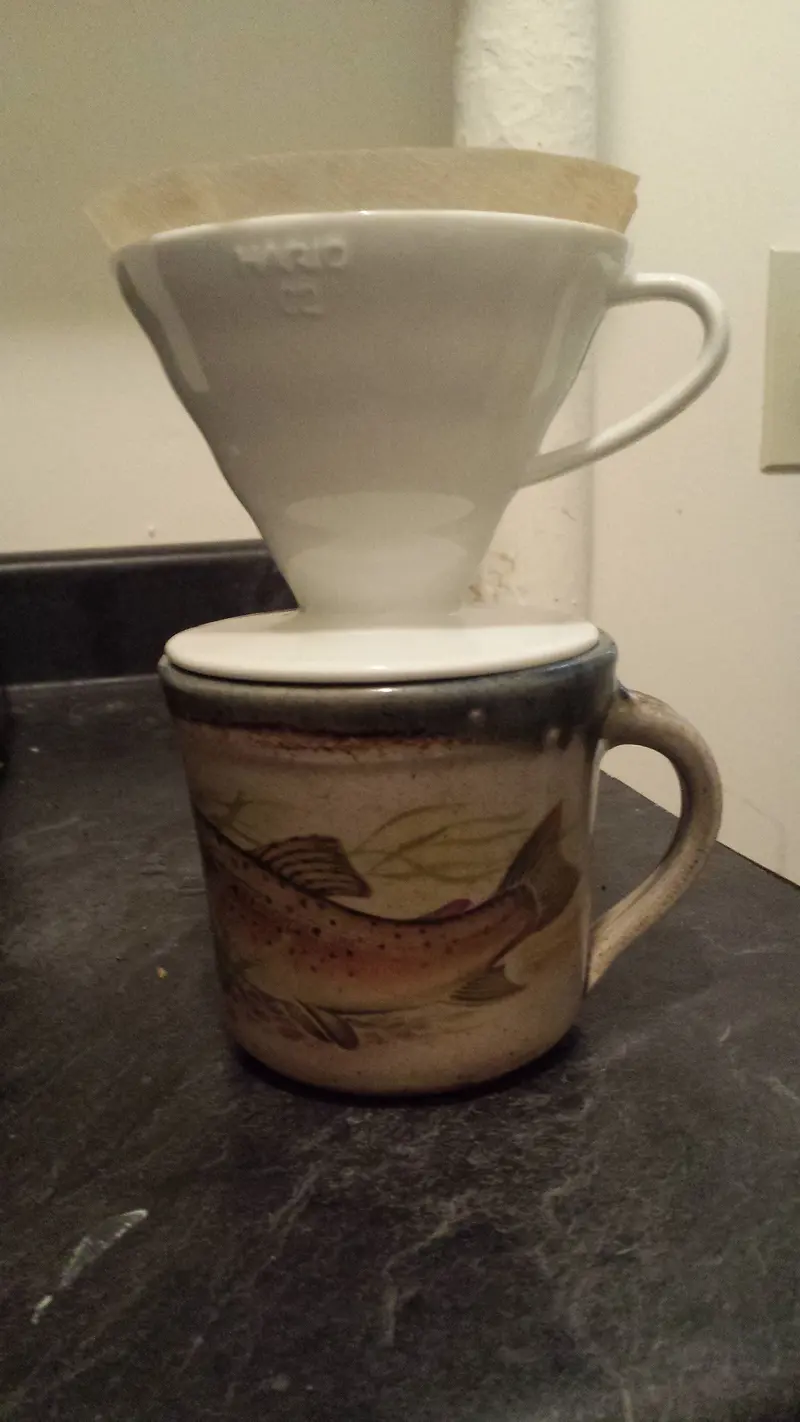
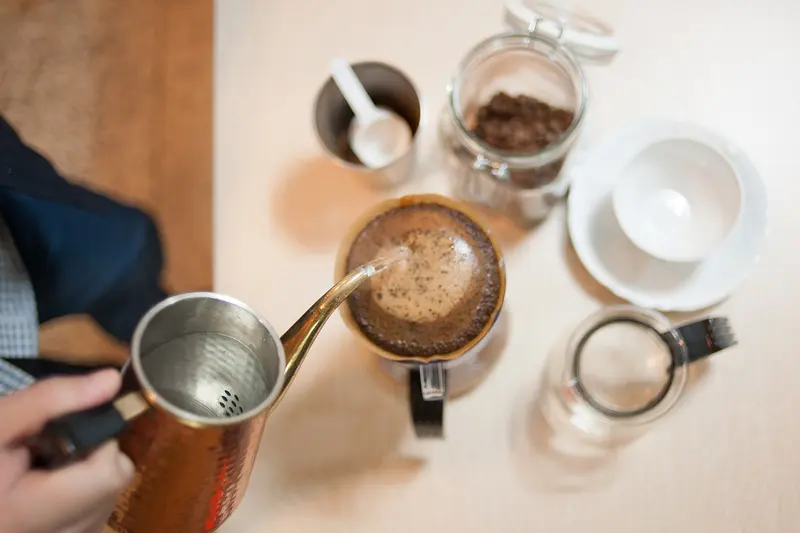
- Pour-over: medium; 1:13 to 1:16; 2–4 minutes; water about 93°C (±3°C).
- Drip (filter machine): medium; 1–2 tablespoons of coffee per 6 fl oz of water (the 'Golden Ratio'); about 5 minutes.
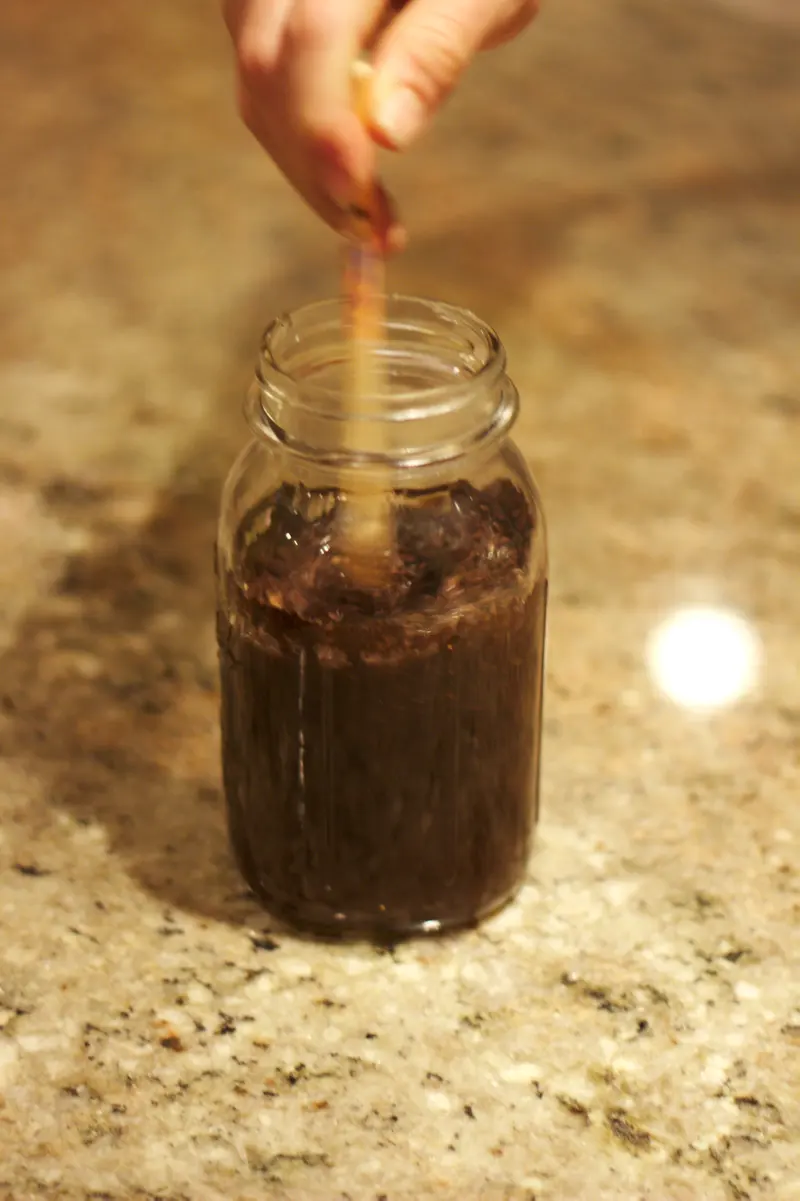
- Cold brew: coarse; 1:4 to 1:5; about 12 hours at room temperature or cooler.
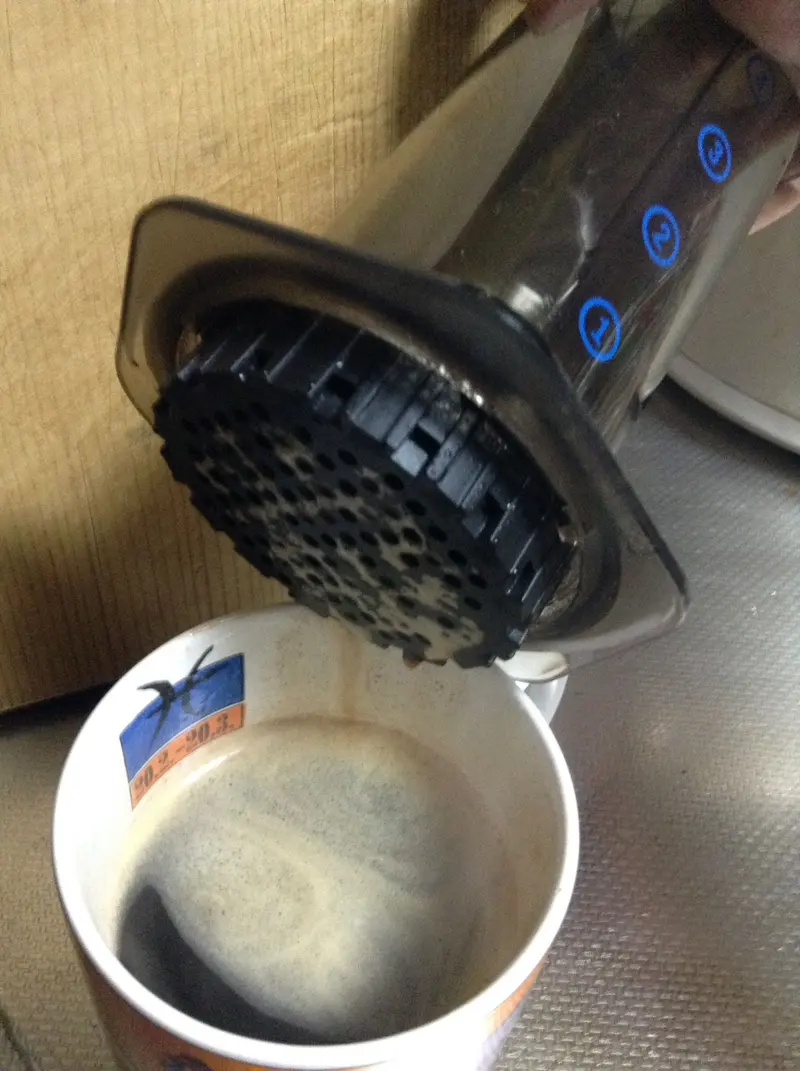
- AeroPress: medium; 16–18 g of coffee with water at 85°C up to the '4' mark; 60 seconds' steeping, then press (AeroPress's signature method).
The NCA's 93°C (±3°C) figure for pour-over cites a Specialty Coffee Association standard. If you don't have a thermometer, let boiled water rest for about 30 seconds to a minute.
Taste and adjust
From the NCA:
- Bitter or sour? It may be ground too fine (over-extracted): try a coarser grind.
- Flat or watery? It may be ground too coarse (under-extracted): try a finer grind.
Change one thing at a time and use scales so you can repeat what works.
Cold brew isn't iced coffee
Iced coffee is brewed hot, then cooled. Cold brew is brewed with room-temperature or cold water for hours and can be served hot or cold. The NCA describes it as less bitter and smoother.
Espresso and milk
Espresso drinks differ mainly in their milk:
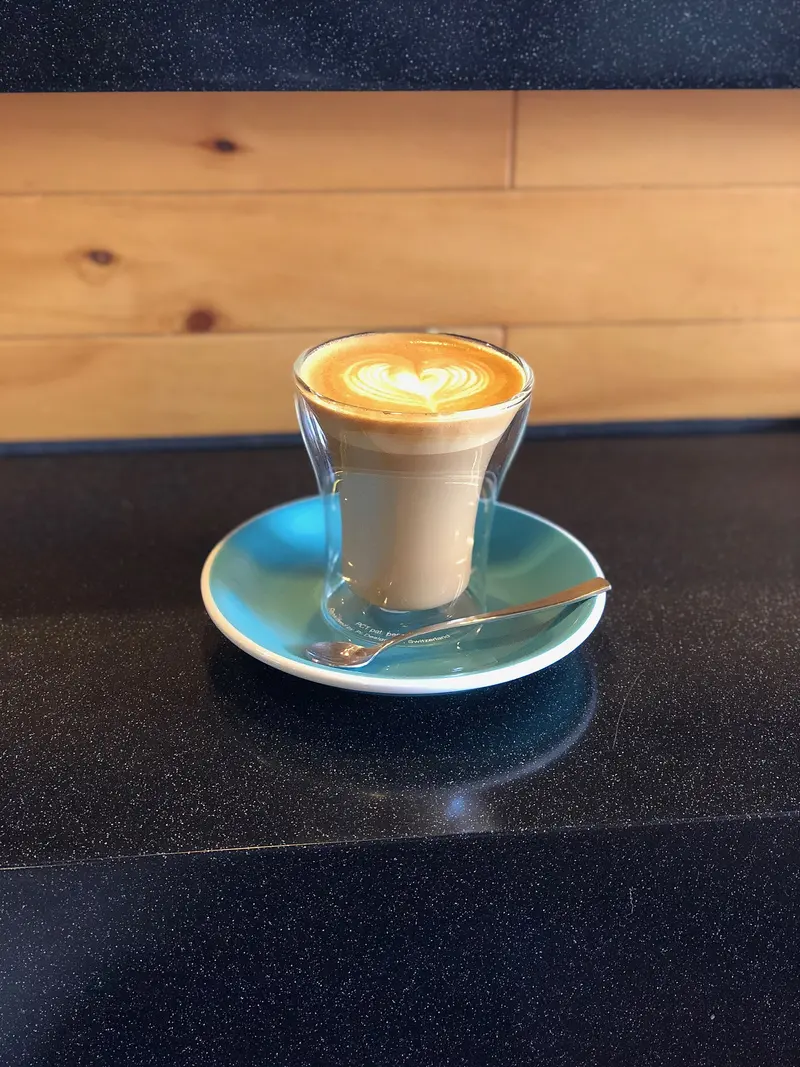
- Caffè latte: plenty of steamed milk with a light layer of foam, traditionally served in a glass.
- Cappuccino: smaller, with a thick layer of foam.
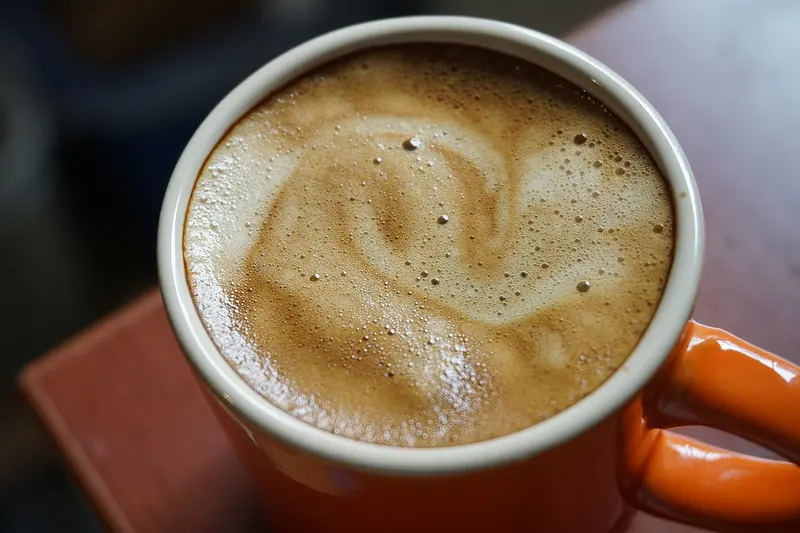
- Flat white: more coffee relative to milk than a latte, with a thin layer of velvety microfoam.
- Caffè americano: espresso lengthened with hot water at about 1:3 to 1:4.
When steaming or heating milk, stop before it boils.
A note on caffeine
The NCA, citing USDA data, gives about 63 mg of caffeine in a 1 oz shot of espresso and 12–16 mg per ounce of brewed coffee, so a large mug of filter coffee can contain more caffeine than a single espresso.
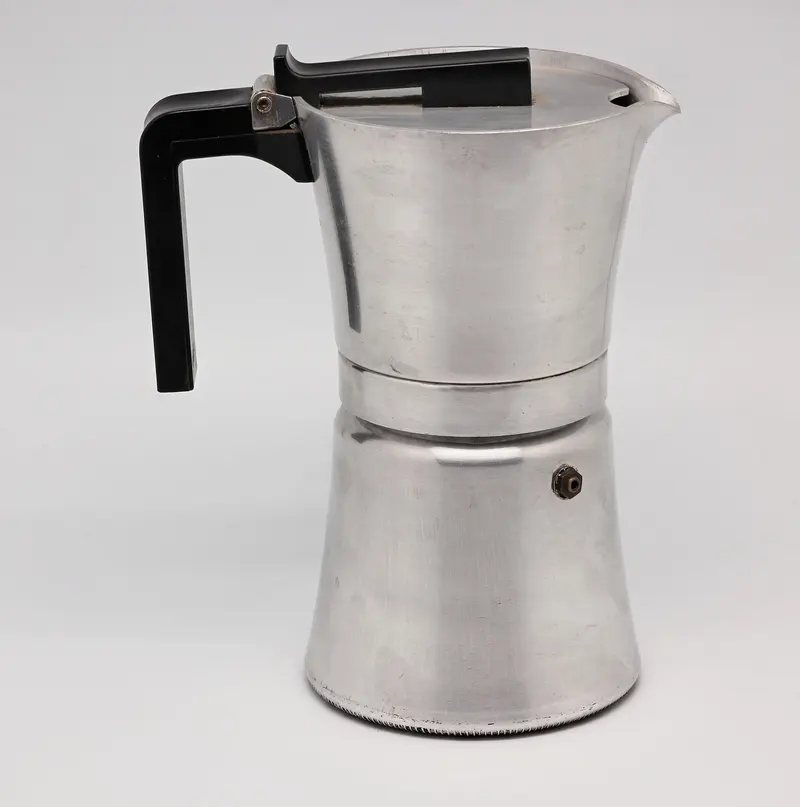
Recipes: espresso, cafetière, pour-over, AeroPress, moka pot and cold brew.
Sources
- National Coffee Association — Espresso
- National Coffee Association — French press coffee
- National Coffee Association — Pour-over coffee
- National Coffee Association — Drip coffee
- National Coffee Association — Cold brew coffee
- AeroPress — How to use AeroPress
- Wikipedia — Flat white
- Wikipedia — Cappuccino
- Wikipedia — Caffè americano
Checked when this entry was written. Links open the original source in a new tab.