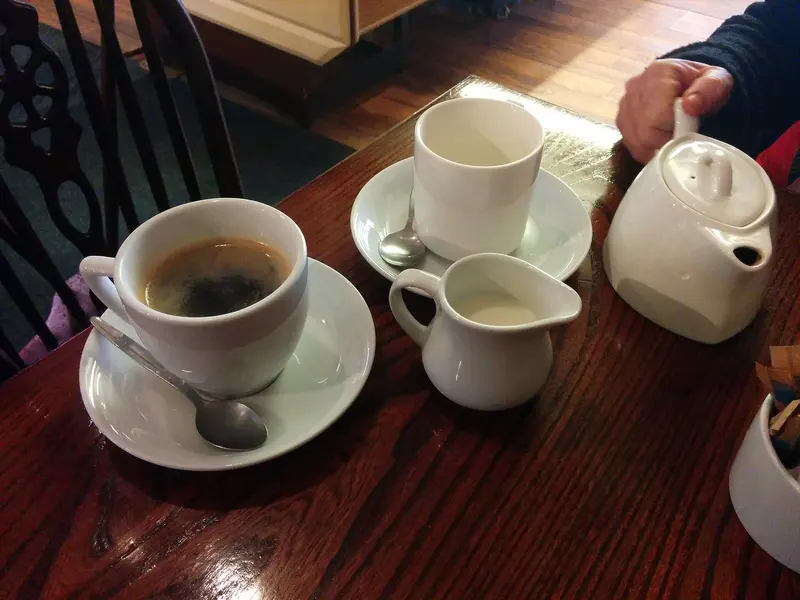
Tea and coffee are the UK's favourite hot drinks, and both contain caffeine. So do cola, energy drinks and chocolate. Here's what official sources say about how much is in each, and who should keep an eye on it. This is general information, not medical advice: if you have questions about caffeine and your health, ask your GP, pharmacist or midwife.
How much is in a cup?
The NHS gives these estimates:
- cup of instant coffee: about 100 mg
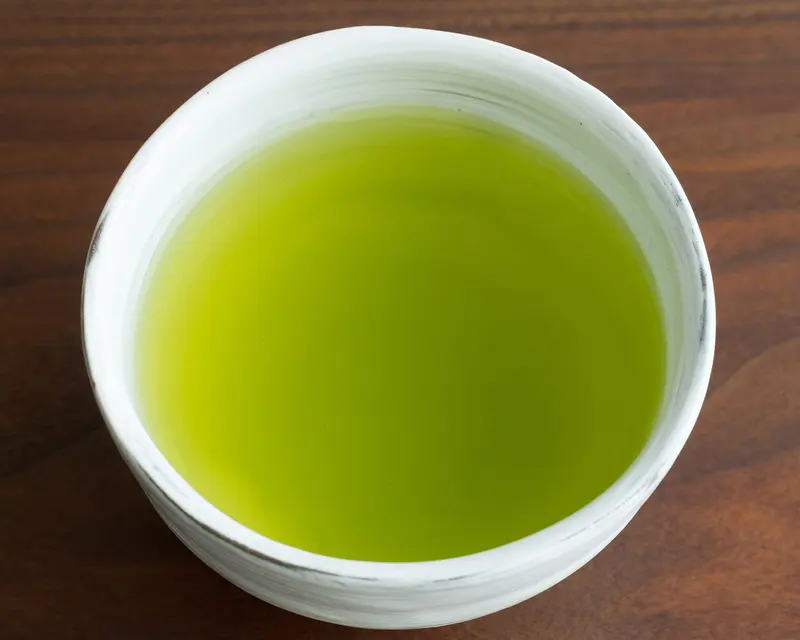
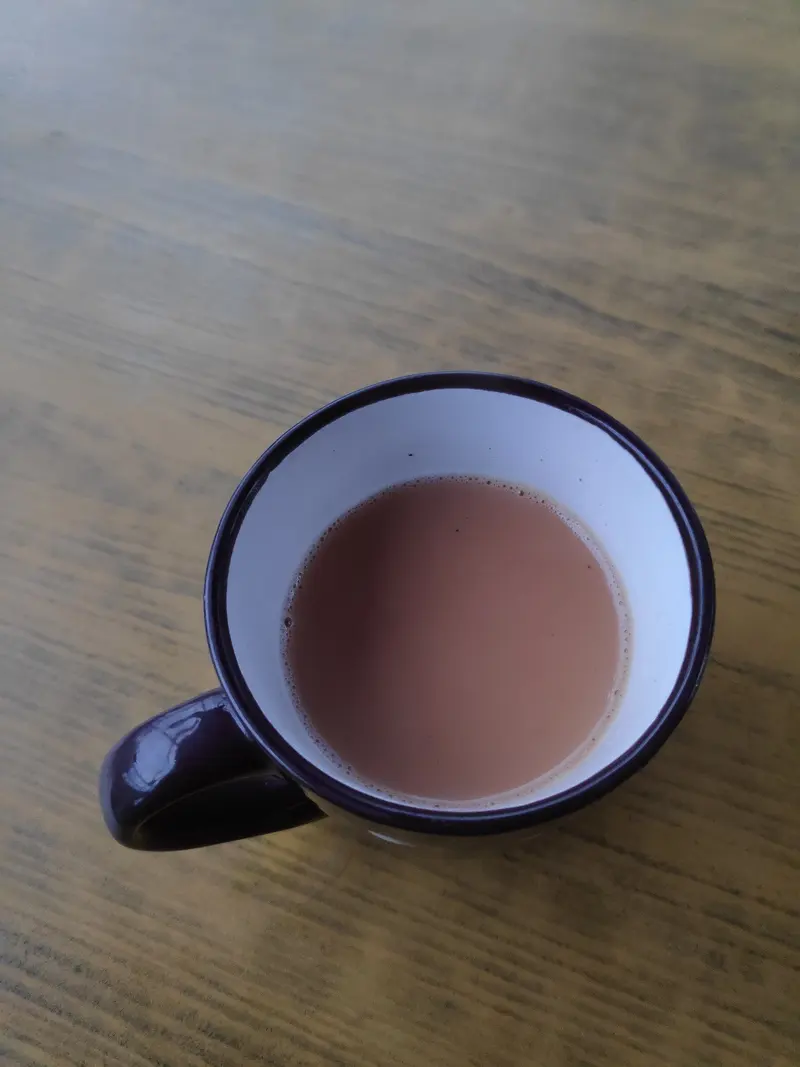
- cup of tea (black or green): about 75 mg
- can of cola: about 40 mg
- 250 ml can of energy drink: about 80 mg
- 50 g bar of plain dark chocolate: less than 25 mg
- 50 g bar of plain milk chocolate: less than 10 mg
The NHS notes that filter coffee and coffee from coffee shops may contain more than instant. The real figure for any cup depends on the coffee or tea, how much you use and how long you brew it.
Espresso versus a mug of filter
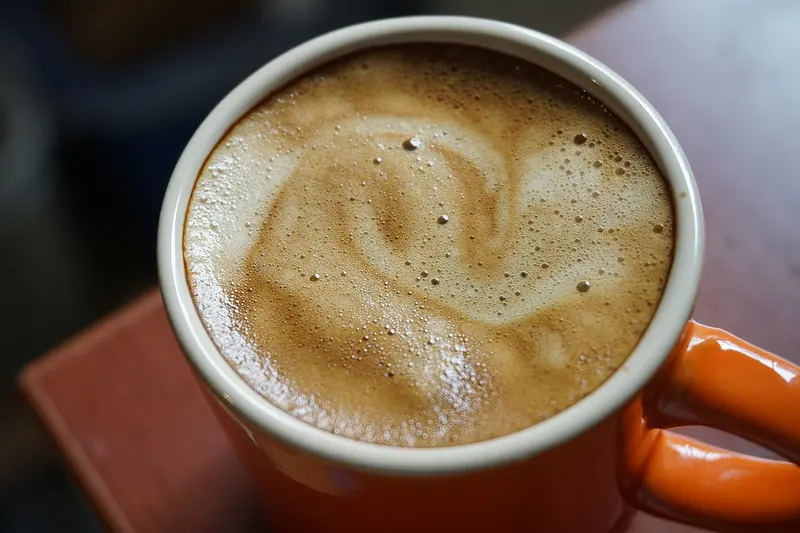
A small cup isn't necessarily a weak one, and a big one isn't necessarily strong. The National Coffee Association, citing USDA data, gives about 63 mg of caffeine in a 1 oz (about 30 ml) shot of espresso and 12–16 mg per fluid ounce of brewed coffee. On those figures a large mug of filter coffee can contain more caffeine than a single espresso. For brewing advice, see coffee basics.
Caffeine and pregnancy
The NHS advises that if you're pregnant you should not have more than 200 mg of caffeine a day, because too much caffeine has been linked to a higher chance of miscarriage and stillbirth. On the NHS estimates above, that's about two cups of instant coffee, or two mugs of tea and a can of cola. Remember that energy drinks, chocolate, guarana and some health or fitness supplements count too.
The NHS also suggests that pregnant women have no more than 4 cups of herbal tea a day, and avoid teas containing liquorice root.
Children
The NHS says tea and coffee are not suitable for babies or young children, and that fizzy drinks shouldn't be given to babies and young children because they're acidic and can damage tooth enamel.
'High caffeine content' labels
Drinks other than tea and coffee that contain more than 150 mg of caffeine per litre must carry the warning 'High caffeine content. Not recommended for children or pregnant or breast-feeding women' (GOV.UK).
In July 2026 the government confirmed that it will ban the sale of these high-caffeine drinks to children under 16 in England, including online and from vending machines. Tea and coffee are not included. It intends the ban to start on 6 April 2027, subject to Parliament.
Caffeine and your daily fluids
The NHS recommends aiming for 6 to 8 cups or glasses of fluid a day, and says water, lower-fat milk and lower-sugar drinks, including tea and coffee, all count. It also advises drinking caffeine in moderation and checking labels for drinks that are high in caffeine.
Caffeine-free alternatives
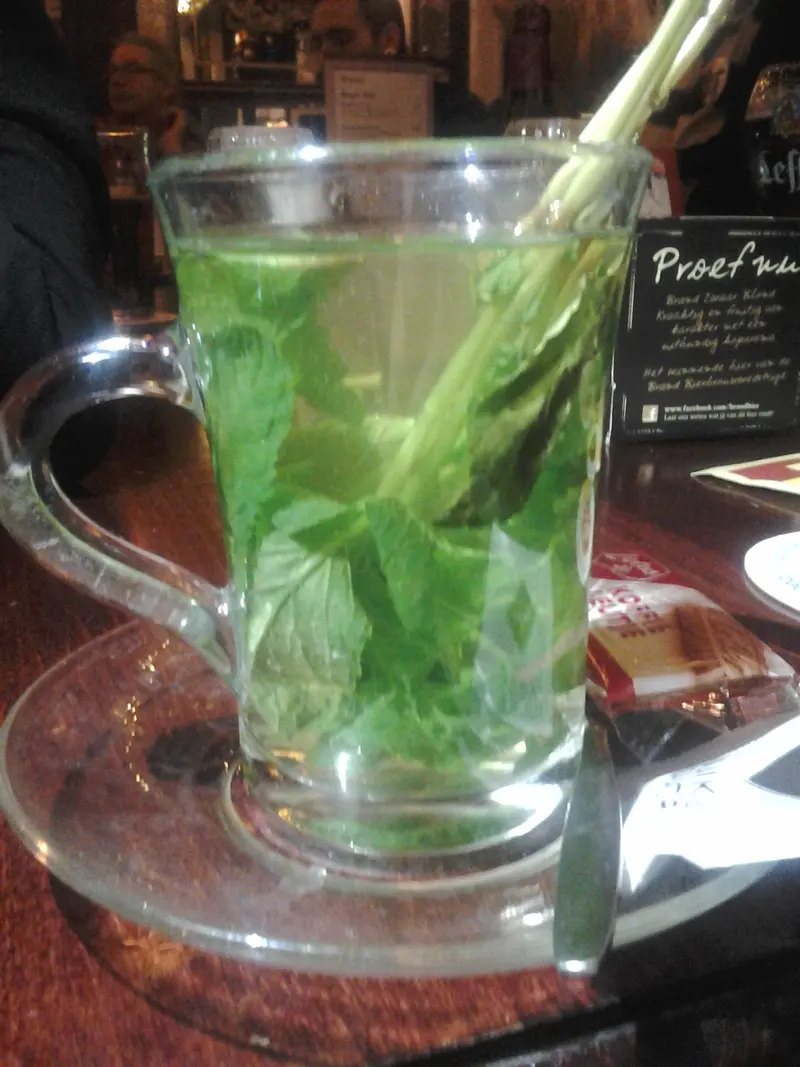
Herbal 'teas' such as peppermint and camomile contain no tea leaves, so they're naturally caffeine-free (see types of tea). Try our fresh mint tea. Fruit smoothies and our homemade soft drinks such as lemonade are other options; just keep in mind the NHS advice to limit fruit juice and smoothies to one small glass (150 ml) a day, as they're high in sugar.
For the perfect brew, see how to make a proper cup of tea.
Sources
- NHS — Foods to avoid in pregnancy (caffeine)
- NHS — Water, drinks and your health
- NHS — Drinks and cups for babies and young children
- GOV.UK — Banning the sale of high-caffeine energy drinks to children: consultation outcome (July 2026)
- National Coffee Association — Espresso
Checked when this entry was written. Links open the original source in a new tab.