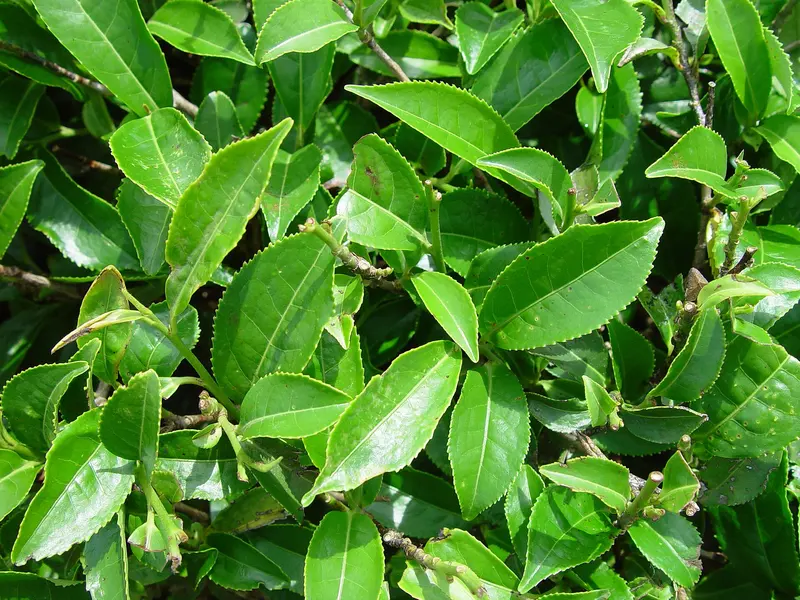
Black, green, oolong and white teas all come from the same plant, Camellia sinensis. The difference is in how the leaf is processed. The UK Tea & Infusions Association (UKTIA) estimates there are around 1,500 varieties of tea grown in some 36 countries, and groups them into six main categories: black, green, oolong, white, compressed and flavoured.
Black tea
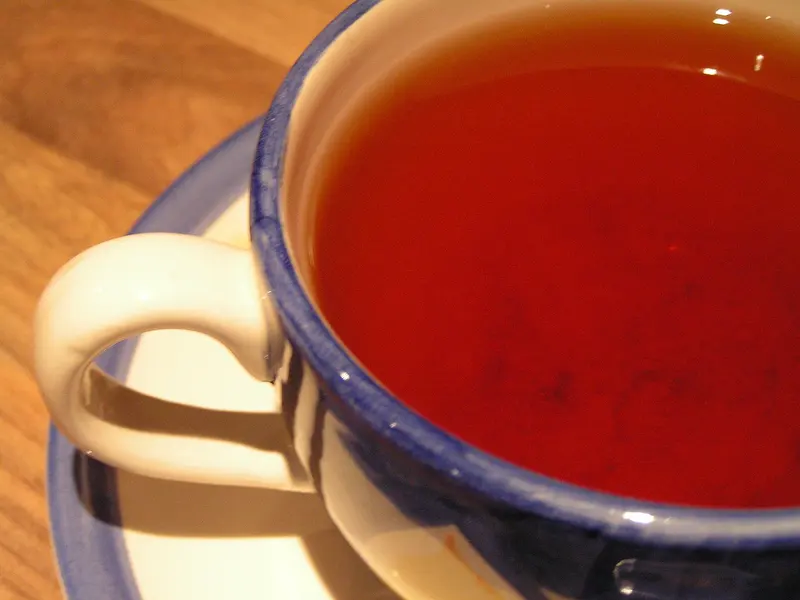
The plucked leaf is withered in warm air, then broken so that its natural enzymes are exposed to the air and oxidise, turning the leaf a golden russet colour. It's then dried ('fired'), turning dark brown or black.
Leaf can be broken in two ways. Orthodox rolling produces larger leaf pieces. CTC ('cut, tear, curl') produces small particles that brew quickly, which is why it's used in tea bags. Yorkshire Tea, for example, uses CTC teas for both its tea bags and its loose tea.
Well-known black teas include:
- Assam: robust and malty, from the Brahmaputra valley in north-east India.
- Darjeeling: light and delicate, with muscatel notes; grown in the Himalayan foothills.
- Ceylon: from Sri Lanka; bright and brisk.
- Keemun and Yunnan: Chinese black teas, nutty and earthy respectively.
- Lapsang Souchong: a smoky China tea, dried over pine-wood fires.
- English Breakfast: traditionally a blend of Assam and Ceylon, often with African tea.
Green tea
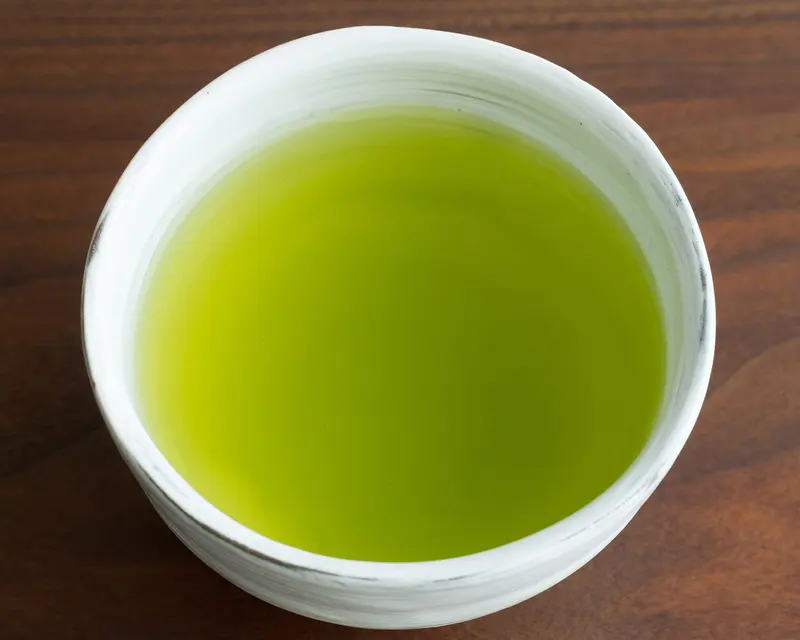
The withered leaf is steamed or pan-fired and rolled before drying, which stops it oxidising. Green tea brews to a pale liquor with a fresh, grassy flavour. Japanese sencha is the most commonly drunk tea in Japan; gyokuro is a refined, shade-grown Japanese tea; Chinese greens include gunpowder (rolled into pellets) and jasmine, scented with jasmine flowers. Matcha is powdered shade-grown green tea.
Oolong
Semi-oxidised: processed like black tea but oxidised for roughly half the time. Greener, lightly oxidised oolongs (about 30%) are floral; darker ones (60–70%) are deeper, with stone-fruit notes. UKTIA says all oolongs are better without milk.
White tea
Made from buds plucked before they open, simply withered and dried. The silvery buds give it the name 'silver tip'. Examples include Yin Zhen ('Silver Needles') and Pai Mu Tan ('White Peony').
Compressed tea
Steamed tea pressed into cakes, bricks, balls or nest shapes and dried. Many are pu-erh (aged) teas with an earthy flavour.
Flavoured tea
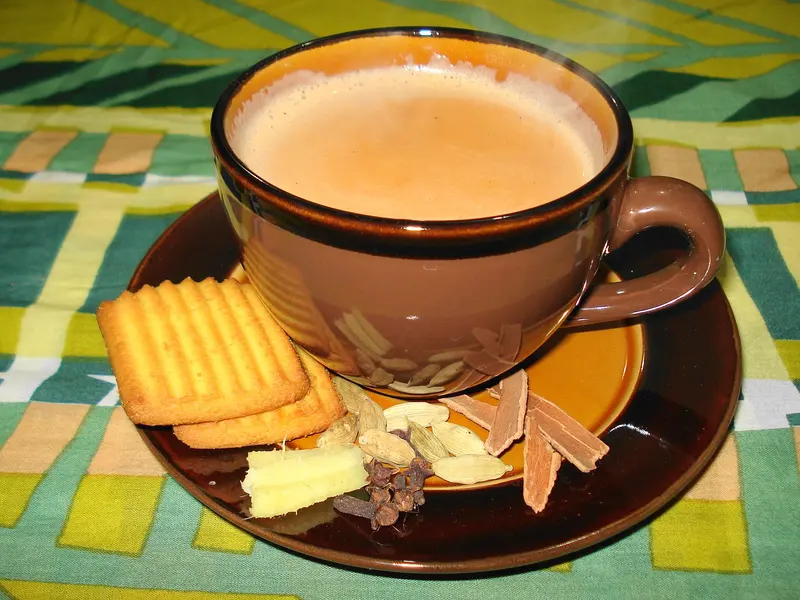
Real tea blended or scented with fruit, spices, herbs or oils. Earl Grey is black tea flavoured with bergamot oil.
Herbal 'teas' are infusions
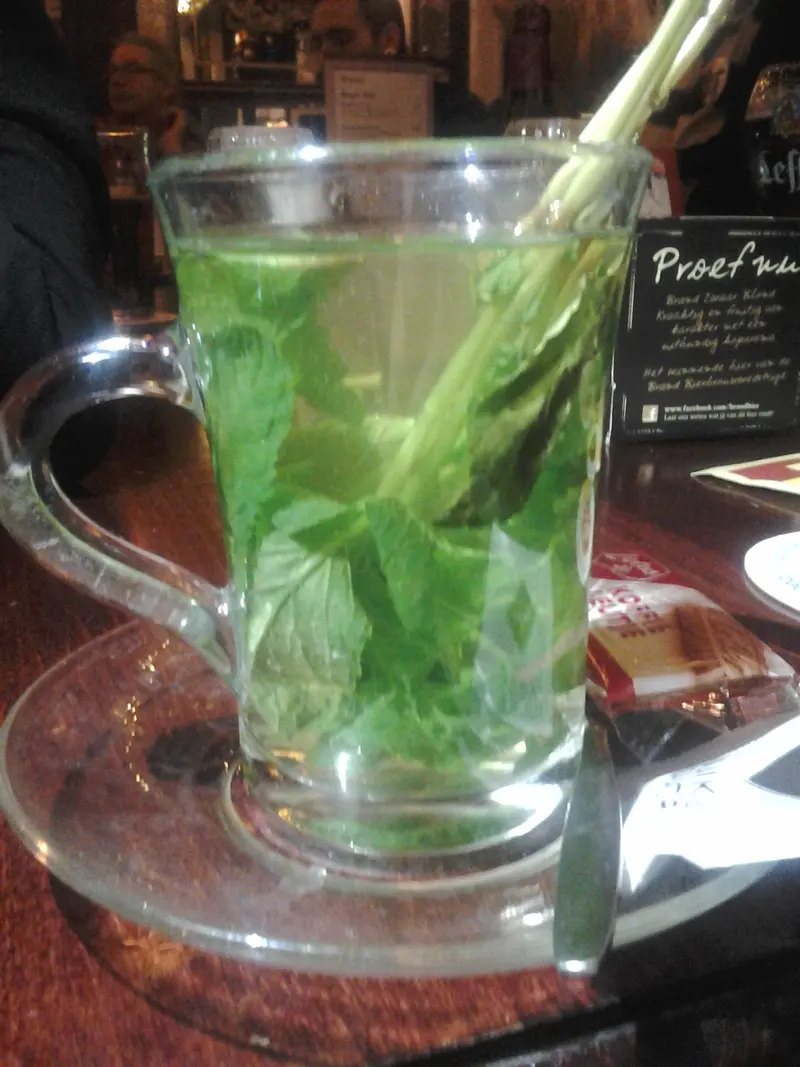
Camomile, peppermint and so-called 'fruit teas' don't contain any tea leaves, so they are tisanes or infusions rather than tea, and they're naturally caffeine-free. Try our fresh mint tea.
Next: how to make a proper cup of tea.
Sources
- UK Tea & Infusions Association — Tea processing and blending
- UK Tea & Infusions Association — Varieties of tea
- Yorkshire Tea — How to make loose leaf tea
Checked when this entry was written. Links open the original source in a new tab.