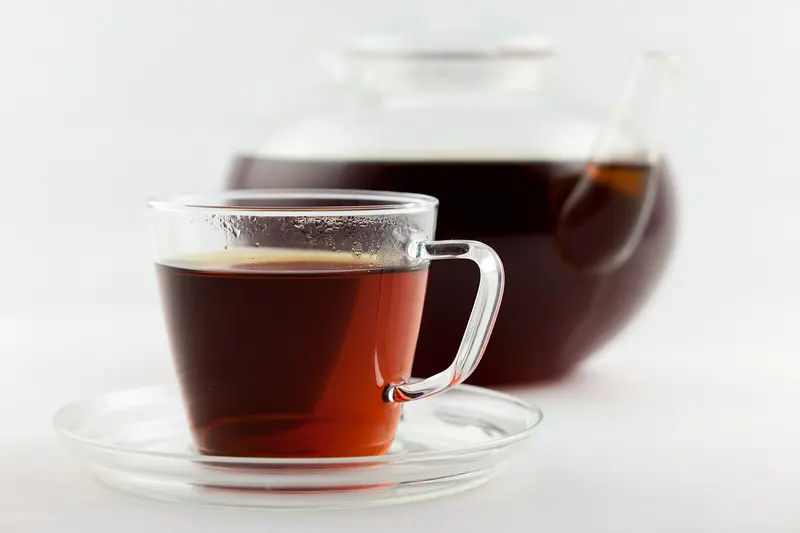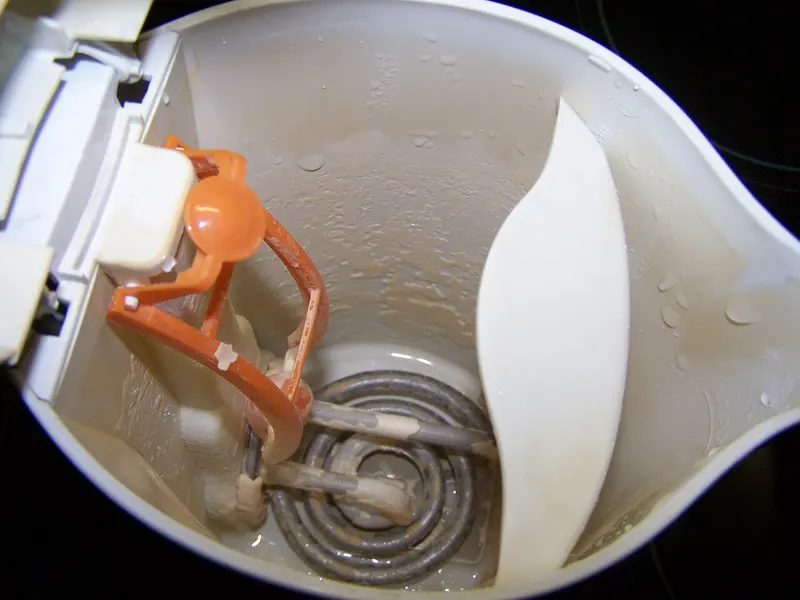
If your tea sometimes has a dull film floating on top, or your kettle is crusted with white scale, the answer is in your tap. Hard water is common in parts of the UK, and it affects how tea looks and how long your kettle lasts. Here is what the Drinking Water Inspectorate (DWI), the regulator for drinking water in England and Wales, says about it, and what that means for your cuppa.
What "hard" water is
The DWI explains that "water hardness is caused by dissolved calcium and magnesium", and that the level depends on local geology: the rocks your water has passed through. It uses these bands, measured in milligrams per litre as calcium carbonate:
- Soft: up to 100 mg/l
- Slightly hard: 100–150 mg/l
- Moderately hard: 150–200 mg/l
- Hard: 200–300 mg/l
- Very hard: more than 300 mg/l
The DWI publishes a map of typical hardness across England and Wales, but says local variation exists that the map can't show. For an accurate figure for your home, it says to contact your water company.
Is hard water bad for you?
The DWI says the drinking water regulations set no standards for hardness, calcium or magnesium. It notes only limited evidence linking hardness to heart health, possibly because we get calcium and magnesium from our diets anyway. So hard water is a nuisance in the kitchen rather than a health worry.
The scum on your tea
The DWI says plainly that hard water leaves a scum on hot drinks, especially tea brewed in the cup with a teabag. It isn't appealing to look at.
Our guide to a proper cup of tea quotes the UK Tea and Infusions Association (UKTIA), which says hard or soft water can affect the taste and suggests a water filter if your tap water is very hard. The same guide covers the other basics: freshly drawn water, boiled once.
Limescale in the kettle
Scale is the other sign. The DWI says hard water causes scale in kettles and other appliances, and that "scaling of heating elements shortens their life and makes appliances less efficient." So descaling isn't just about looks. Use the descaling method your kettle's maker recommends in its instructions, and the same goes for any temperature-control kettle you use for green tea or coffee.
- Temperature-control kettle Search Amazon.co.uk for Temperature-control kettle (opens Amazon in a new tab)
- Gooseneck kettle Search Amazon.co.uk for Gooseneck kettle (opens Amazon in a new tab)
- Teapot Search Amazon.co.uk for Teapot (opens Amazon in a new tab)
Amazon links search Amazon.co.uk, so you can compare options yourself. As an Amazon Associate I earn from qualifying purchases.
Jug filters: change the cartridge
Jug filters are a common answer to hard water for tea. The DWI's advice on home filters is to change the cartridge in line with the maker's instructions. If you don't, it warns, a filter "will cease to be effective and may leach other chemicals or bacteria", and poor maintenance can "create a breeding ground for bacteria".
It also points out that if all you want is cold water to drink, a cheaper option is a clean, covered glass jug of tap water kept in the fridge.
Water softeners: keep one tap unsoftened
Some homes in hard-water areas have a water softener. The DWI has three clear points:
- Some softeners "can add significantly to the sodium content of drinking water", and using one may risk breaching the drinking water standard for sodium.
- It advises keeping an unsoftened supply to the kitchen tap for drinking and cooking.
- Artificially softened water should not be used to make up baby feeds.
So if your house has a softener, make your tea (and anything else you drink or cook with) from the unsoftened kitchen tap.
Does soft water make better tea?
Tastes differ, and a lot depends on the tea. What the facts do say is that hard water is more likely to give that film on a teabag-in-mug brew. If you live somewhere hard, a filtered-water cup side by side with a straight-from-the-tap one is an easy experiment.
For the rest of the tea cupboard, see our guide to types of tea, or try loose-leaf tea in a teapot.
No. 108 · Tea
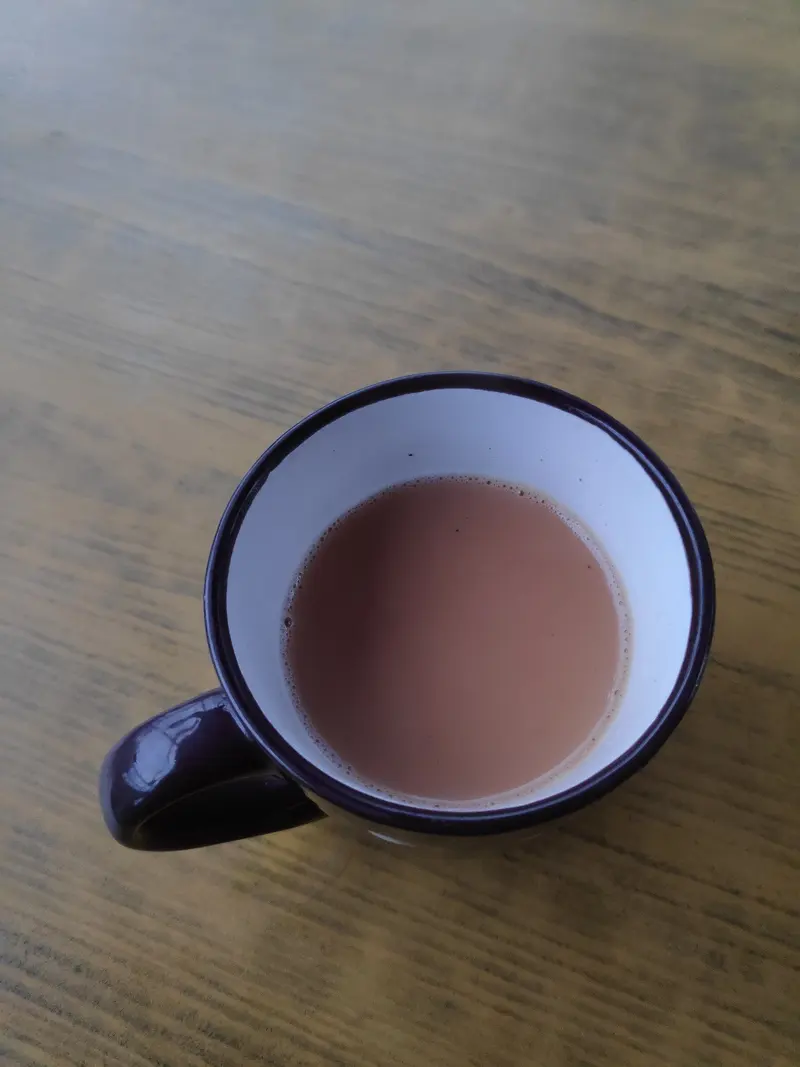
The perfect cup of Yorkshire Tea
Yorkshire Tea's own method for a proper brew in a mug: freshly drawn water, 4–5 minutes, one gentle squeeze, milk last.
Photo: Gaurav Dhwaj Khadka, CC BY-SA 4.0
No. 109 · Tea
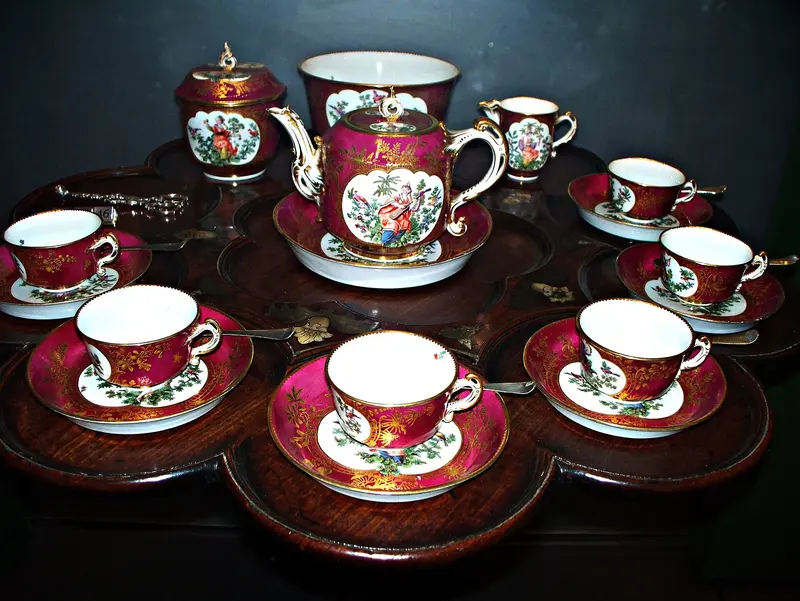
Loose-leaf tea in a teapot
Warm the pot, one teaspoon per person and one for the pot, brew 4–5 minutes and strain.
Photo: Wikipedia Loves Art participant "Opal_Art_Seekers_4", CC BY 2.5
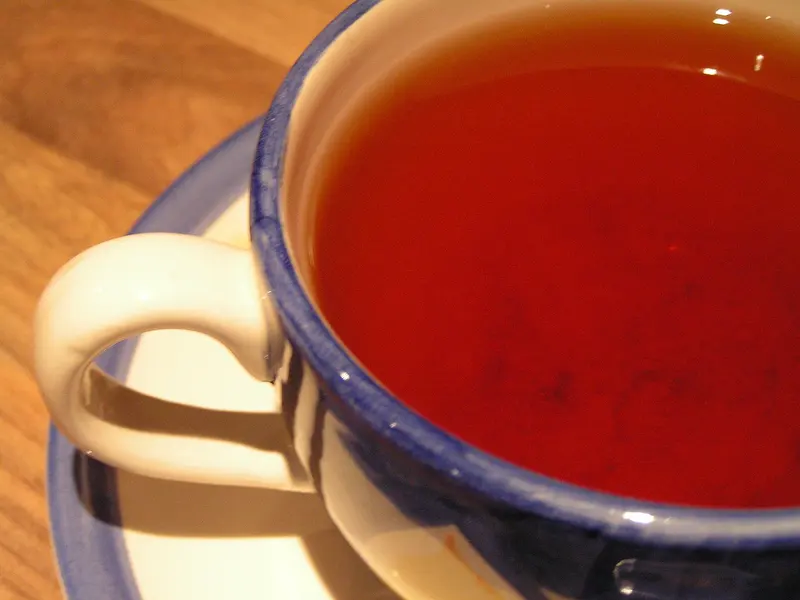
No. 110 · Tea
Earl Grey
Black tea scented with bergamot oil, brewed for 3–4 minutes and taken with or without milk.
Photo: David Wilmot (daramot) from Wimbledon, United Kingdom, CC BY 2.0
Sources
- Drinking Water Inspectorate: Water hardness / hard water
- Drinking Water Inspectorate: Domestic water filters and softeners
Checked when this entry was written. Links open the original source in a new tab.
Checked 23 November 2026.