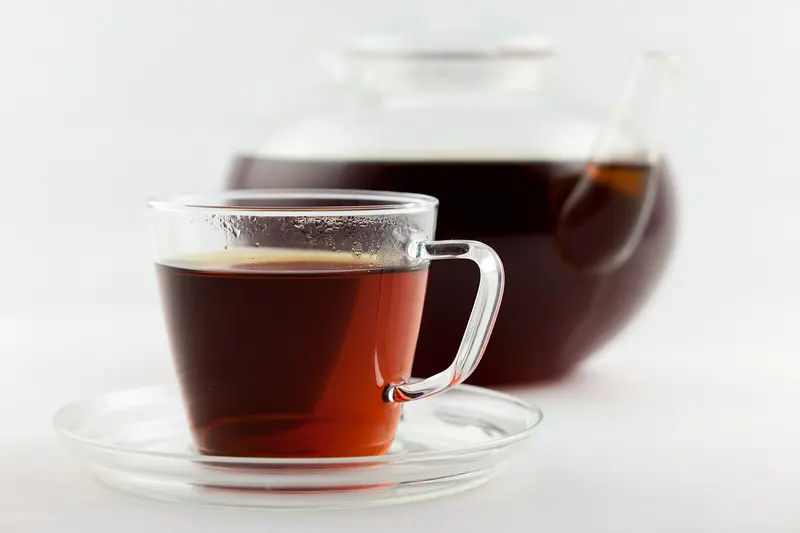
January is when a lot of people swap some of their tea, coffee or wine for a fruit or herbal brew. They're often called "teas", but most aren't tea at all, and they come with a couple of brewing rules that surprise people. Here is what the UK Tea and Infusions Association (UKTIA), the trade body for the tea and infusions industry, says about them, with some advice on water temperature from Germany's federal food risk agency.
Tea or infusion?
UKTIA's answer is simple: herbal and fruit infusions, also called tisanes, are made from herbs, flowers and fruit, and are "not actually tea as they are not derived from the tea plant." Some blends do include a little real tea, so check the ingredients if that matters to you. UKTIA says up to 300 different plants are used in infusions.
Our guide to types of tea covers the real thing: black, green, oolong and white, all from the same plant.
Brew them with boiling water
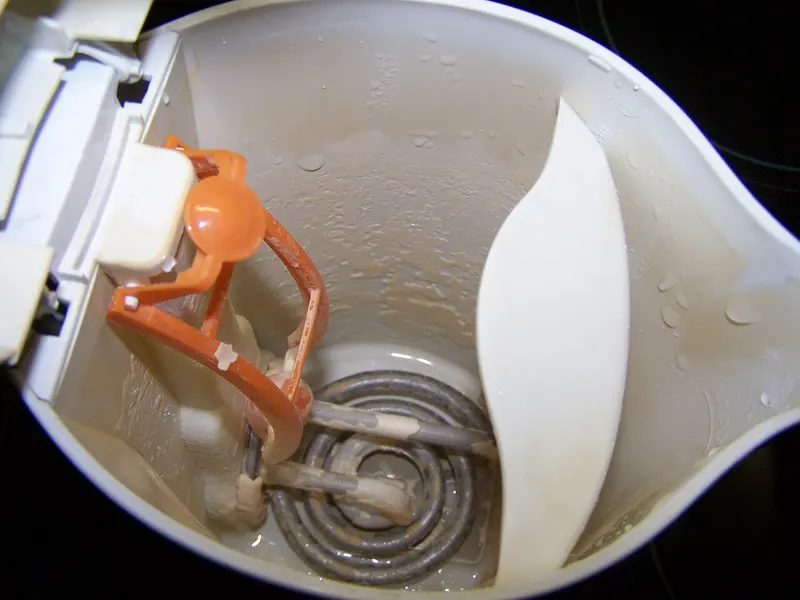
This is the rule people most often get wrong. UKTIA says herbal and fruit infusions should be made with freshly boiled water. Even if you're planning to chill the drink for an iced version, it says "you should always prepare the drink first with freshly boiled water."
The exception is products labelled as "cold brew", which UKTIA says are designed to be made with cold water (below 75°C). If the pack doesn't say cold brew, use boiling water.
Germany's Federal Institute for Risk Assessment (BfR) gave the reason back in 2005. Plant products can carry germs, "in isolated cases ... pathogenic bacteria like salmonella", and only proper heating reliably kills them. Its advice was:
- make herbal and fruit teas "with water at a rolling boil";
- let them "infuse for at least five minutes";
- don't use water from hot water dispensers, which it said is typically between 80°C and 85°C, not hot enough to reliably kill germs;
- don't leave infused tea standing for several hours.
So if your office has an instant hot water tap, a fruit tea is one drink where the kettle is the better choice. (Green tea, on the other hand, is happier at around 80°C, as our proper cup of tea guide explains.)
Are they caffeine-free?
Not always. UKTIA says some infusions are naturally caffeine-free, including rooibos (red bush), chamomile and liquorice. But others contain caffeine, such as yerba mate, guarana and cola nut, and some blends made with cocoa husks or citrus blossom.
If you are cutting down on caffeine, perhaps in the evening, read the ingredients rather than assuming. Our guide to caffeine in tea, coffee and soft drinks covers the everyday drinks, with the NHS advice.
Sugar, flavourings and teeth
UKTIA says infusions are almost calorie-free on their own; it's added sugar, milk or dried fruit pieces that add calories. They generally have no added sugar, but some flavourings may contain sugar, and if so it should be on the label.
UKTIA says some infusions contain added flavourings, and the label shows whether they are natural or artificial.
On teeth, UKTIA says fruit infusions have negligible erosive potential in practice, but that sipping acidic fruit teas over long periods may cause erosion. Drinking a cup rather than nursing it all afternoon is the easy habit.
Children and pregnancy
UKTIA says there's no evidence of safety issues with herbal and fruit infusions for children, but advises caution for children prone to allergies and for babies under 12 months, and suggests asking your GP if unsure. It gives no specific advice for pregnancy beyond checking with your GP if you're in doubt, so that's the sensible step.
Make your own
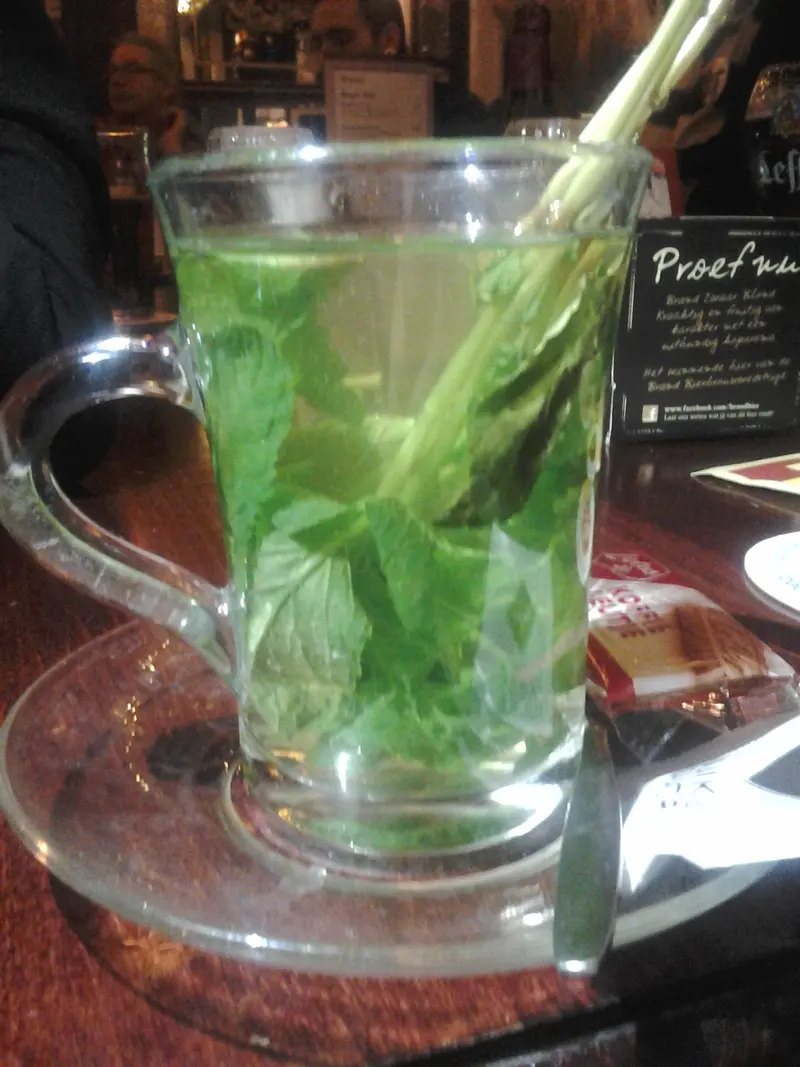
The simplest infusion of all needs no packet: a handful of fresh mint and freshly boiled water. Our recipe:
No. 114 · Tea
Fresh mint tea
A handful of fresh mint steeped in hot water. Strictly an infusion (tisane) rather than tea: no tea leaves, no caffeine.
Photo: Mark Jason Dominus, CC BY-SA 3.0
No. 113 · Tea
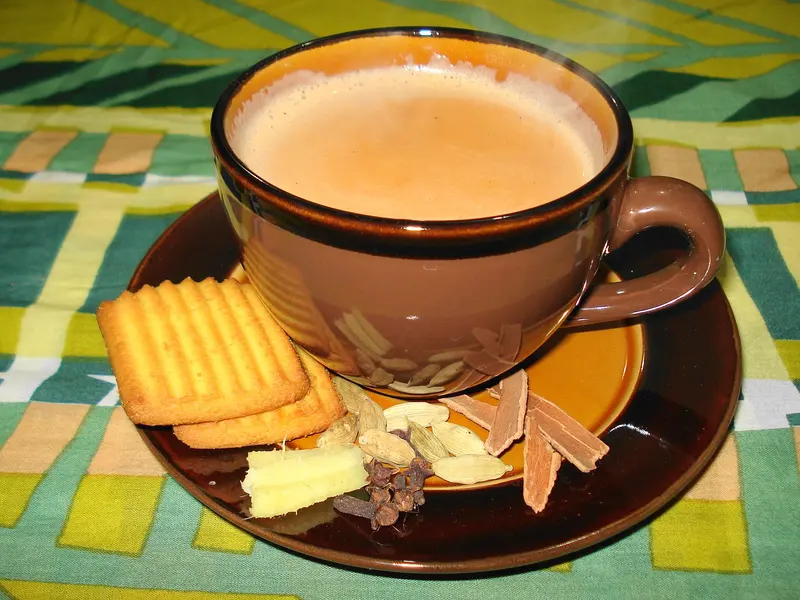
Masala chai
Black tea simmered with milk, sugar and warming spices such as cardamom, ginger and cinnamon. A house recipe.
Photo: Miansari66, Public domain
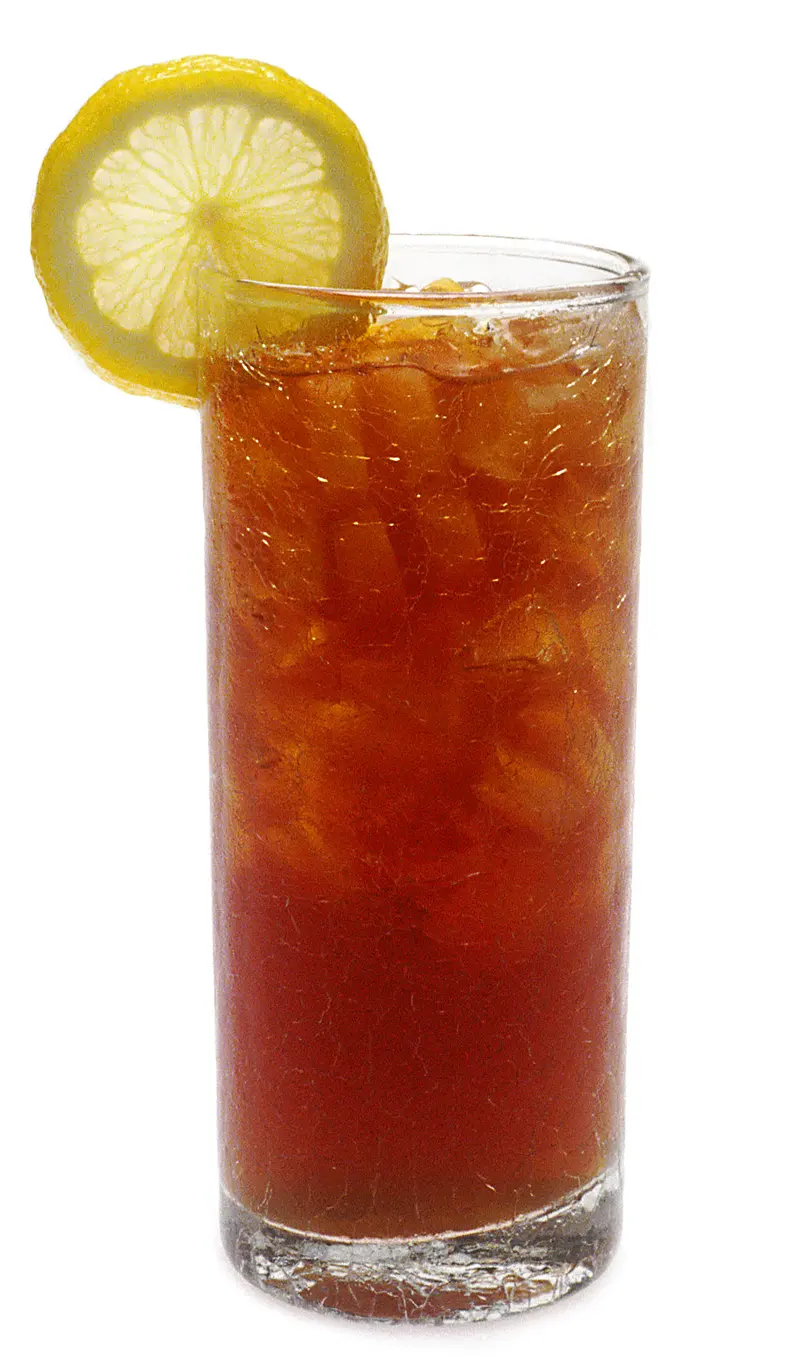
No. 112 · Tea
Iced tea
Strong black tea, cooled and poured over plenty of ice with lemon. Sweeten to taste.
Photo: Renee Comet (photographer), Public domain
A tea infuser or a teapot with a strainer makes loose infusions easy:
- Tea infuser Search Amazon.co.uk for Tea infuser (opens Amazon in a new tab)
- Teapot Search Amazon.co.uk for Teapot (opens Amazon in a new tab)
- Tea strainer / fine sieve Search Amazon.co.uk for Tea strainer / fine sieve (opens Amazon in a new tab)
Amazon links search Amazon.co.uk, so you can compare options yourself. As an Amazon Associate I earn from qualifying purchases.
If you're taking a month off alcohol, our post on Dry January has more ideas for what to drink instead.
Sources
- UK Tea & Infusions Association: FAQs about infusions
- BfR (German Federal Institute for Risk Assessment): Boiling water a must for herbal teas (14 December 2005)
Checked when this entry was written. Links open the original source in a new tab.
Checked 23 November 2026.