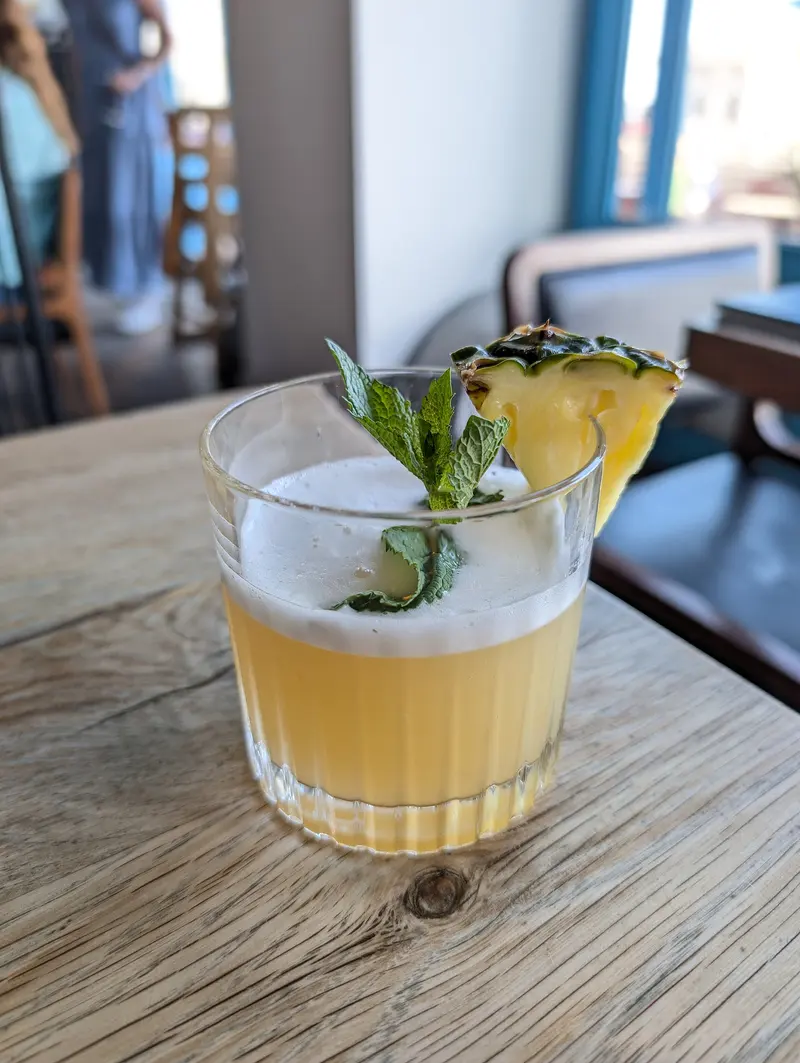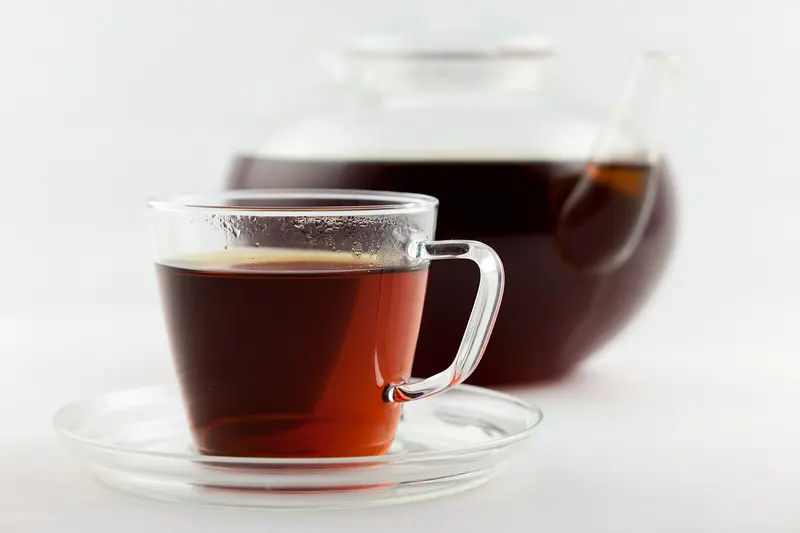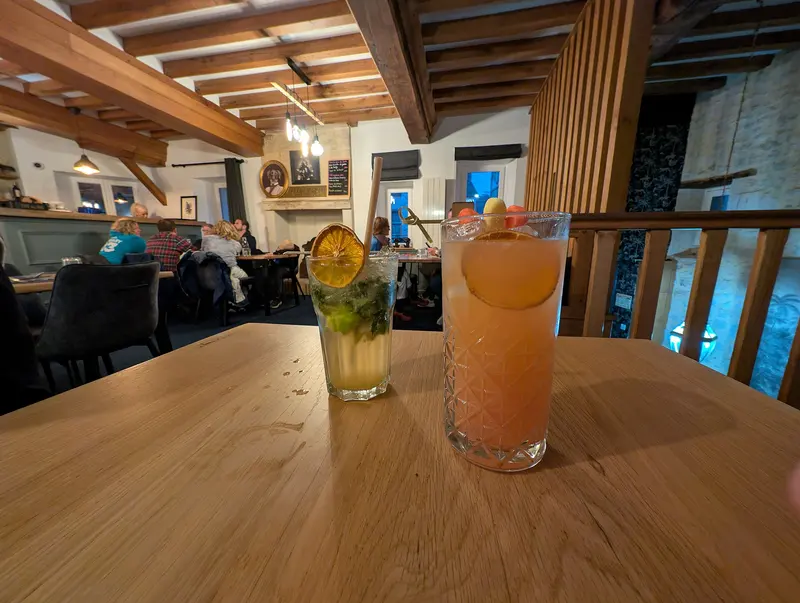
After a December of parties, plenty of people decide to take January off alcohol. Some do it for their health, some to save money, some just to see how it feels. Whatever the reason, the month goes better with a plan, and with something good in the glass instead.
What Dry January is
Dry January is a challenge run by the charity Alcohol Change UK: 31 days alcohol-free in January. The charity offers a free app, Try Dry, which tracks dry days, units, calories and money saved. It says people who use its free tools are about twice as likely to complete the month as those who go it alone.
An important warning first
Alcohol Change UK is clear that the challenge isn't right for everyone. In its words: "People who are clinically alcohol dependent can die if they suddenly, completely stop drinking."
What the NHS says you might notice
The NHS lists short-term benefits of cutting down on alcohol, including better mornings, less tiredness during the day, better-looking skin, more energy and easier weight management. It doesn't promise these for everyone, but they are a useful reminder of why you started when the second week gets harder.
Making the month easier
The NHS's tips on cutting down apply to a full month off as well:
- Tell friends and family so they can support you, and so they aren't surprised when you ask for a soft drink.
- Plan for the times you usually drink: Friday evening, a family meal, watching the football.
- Have something you look forward to in the glass instead.
That last one is where a drinks encyclopedia can help.
What to drink instead
The trick is to give an alcohol-free drink the same care as a cocktail: proper glass, plenty of ice, fresh citrus, a garnish. Our mocktails are built that way:

No. 095 · Mocktail
Arnold Palmer
Half iced tea, half lemonade over ice: a simple, refreshing non-alcoholic mix named after the golfer.
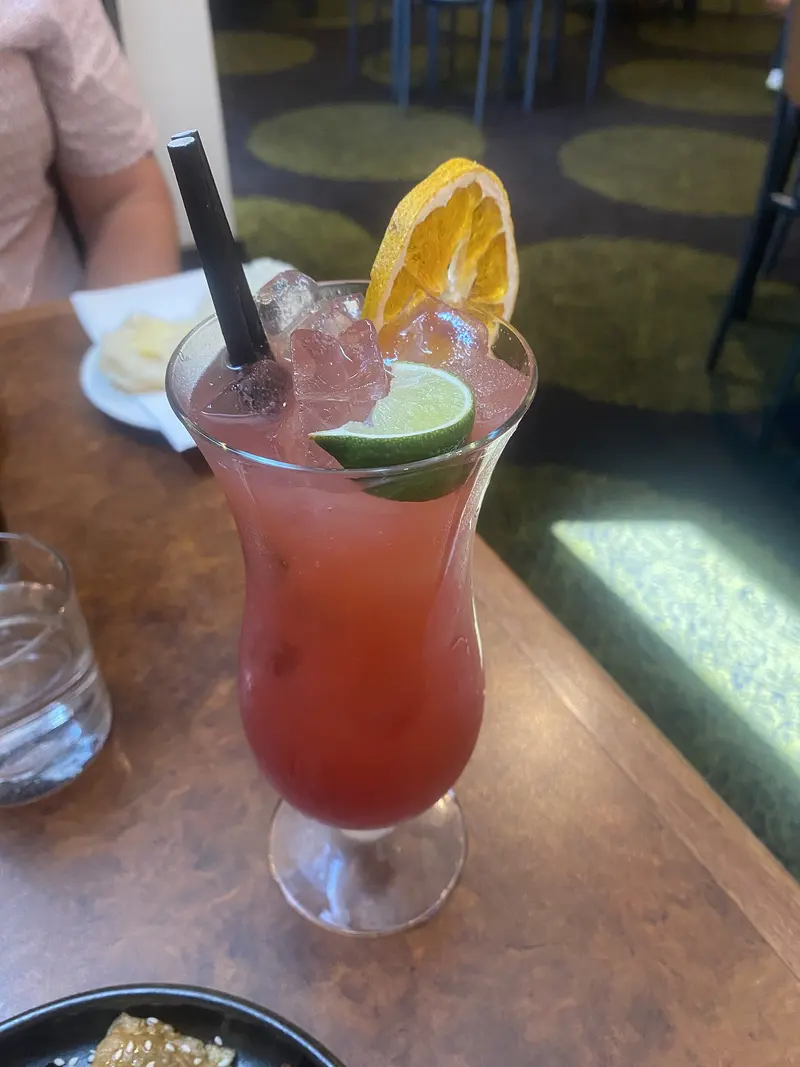
No. 103 · Mocktail
Cinderella
Orange, pineapple and lemon juices shaken with grenadine, then lengthened with soda water.
Photo: RegionVisitor90, CC0

No. 098 · Mocktail
Cucumber and mint cooler
Muddled cucumber and mint shaken with lime and sugar syrup, strained over ice and topped with soda.
No. 097 · Mocktail
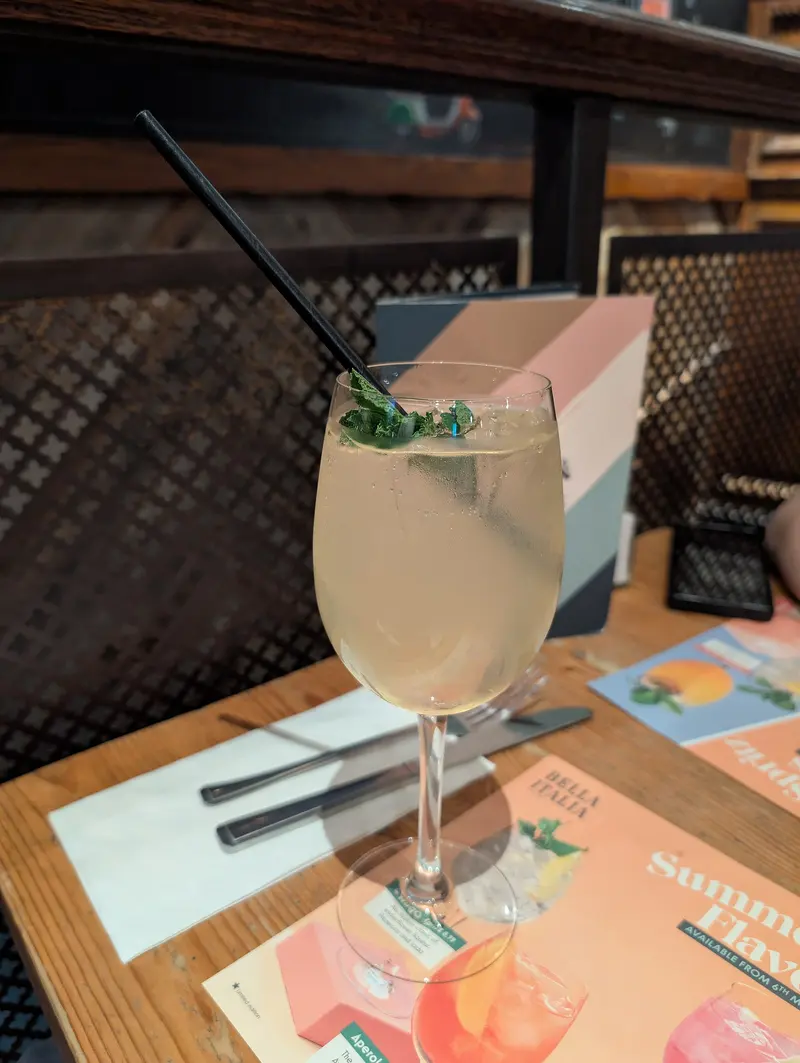
Elderflower spritz (alcohol-free)
Elderflower cordial, lime and sparkling water over ice with cucumber and mint.
No. 100 · Mocktail
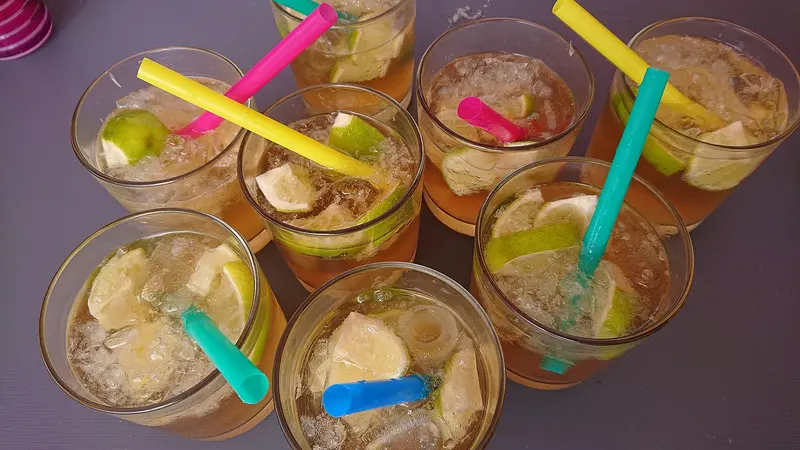
Ginger and lime fizz
Fresh ginger muddled with honey and lime, shaken, then topped with soda for a spicy, zesty long drink.
Photo: Geoprofi Lars, CC BY-SA 4.0
No. 101 · Mocktail
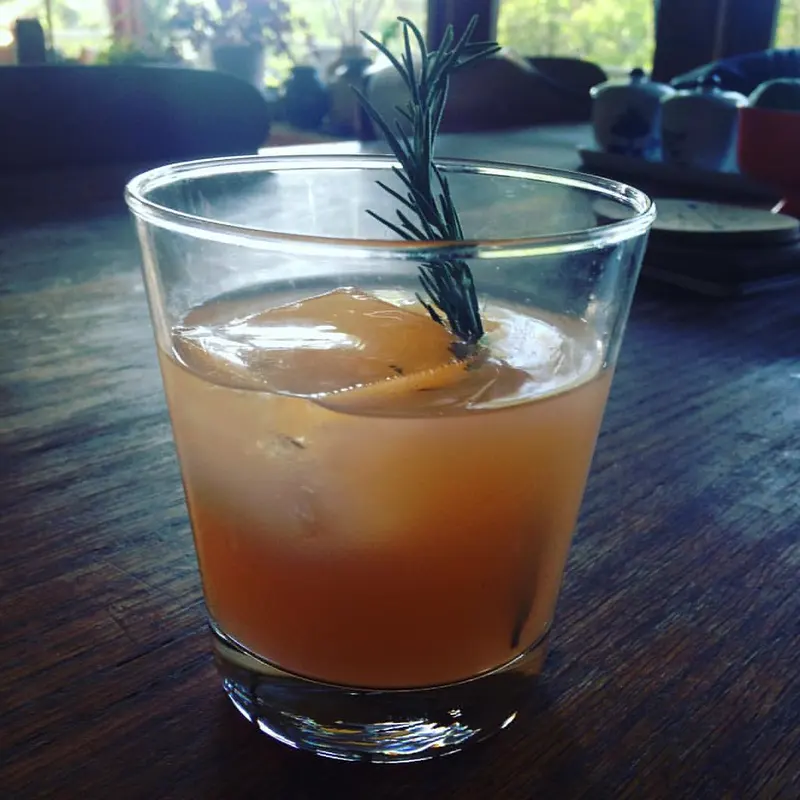
Grapefruit and rosemary soda
Pink grapefruit juice with a quick rosemary syrup, topped with soda: bitter, herbal and refreshing.
Photo: Farther Along, CC BY 2.0
A few other ideas:
- Make a ritual of tea. A properly brewed pot of loose-leaf tea, a matcha whisked by hand or a carefully made pour-over coffee can fill the 'end of the day' slot. See our guides to a proper cup of tea and coffee basics.
- Try alcohol-free beer, wine or spirits, but read the label. Some 'low' drinks contain a little alcohol; our guide to alcohol-free and low-alcohol drinks explains what 'alcohol-free', 'de-alcoholised' and 'low alcohol' mean in the UK.
- Use your cocktail kit. Shaking, stirring and straining work just as well with juices, syrups and soda. Our cocktail techniques guide applies to mocktails too.
- Mind the sugar. Many mixers and juices are sweet; the NHS suggests no more than 150 ml of juice a day. Soda water with fresh lime and a small splash of cordial is a lighter option.
Going out without drinking
The harder moments are often social. A few things help:
- Look at the menu first. Many pubs and bars now list alcohol-free beers and mocktails; if not, ask what they can make.
- Order first, so you aren't put on the spot when someone else buys a round.
- Have a stock answer if anyone asks: "I'm doing Dry January" is usually enough.
- Host instead. If you're having people round, make the alcohol-free options the star of the evening rather than an afterthought.
After January
Many people use the month to reset their habits rather than stop for good. If you go back to drinking in February, the UK Chief Medical Officers' guideline is not to drink more than 14 units a week on a regular basis, spread over three or more days. The NHS's formula for working out units is the drink's ABV multiplied by its volume in millilitres, divided by 1,000. Our guide to drinking responsibly explains the guidelines and where to get support.
Sources
- Alcohol Change UK: Dry January
- NHS: Tips on cutting down alcohol (reviewed 9 April 2026)
- NHS: Calculating alcohol units (reviewed 27 August 2024)
Checked when this entry was written. Links open the original source in a new tab.
Checked 22 November 2026.