Most cocktails are made with a handful of techniques. Learn these and you can follow any recipe on this site, including the official specifications of the International Bartenders Association (IBA).
Measure everything
Use a jigger. Cocktails are about balance, and a few millilitres of lemon or sugar syrup makes a real difference. Our recipes give measures in ml; use the ml / oz switch on any recipe if you prefer ounces.
Shake
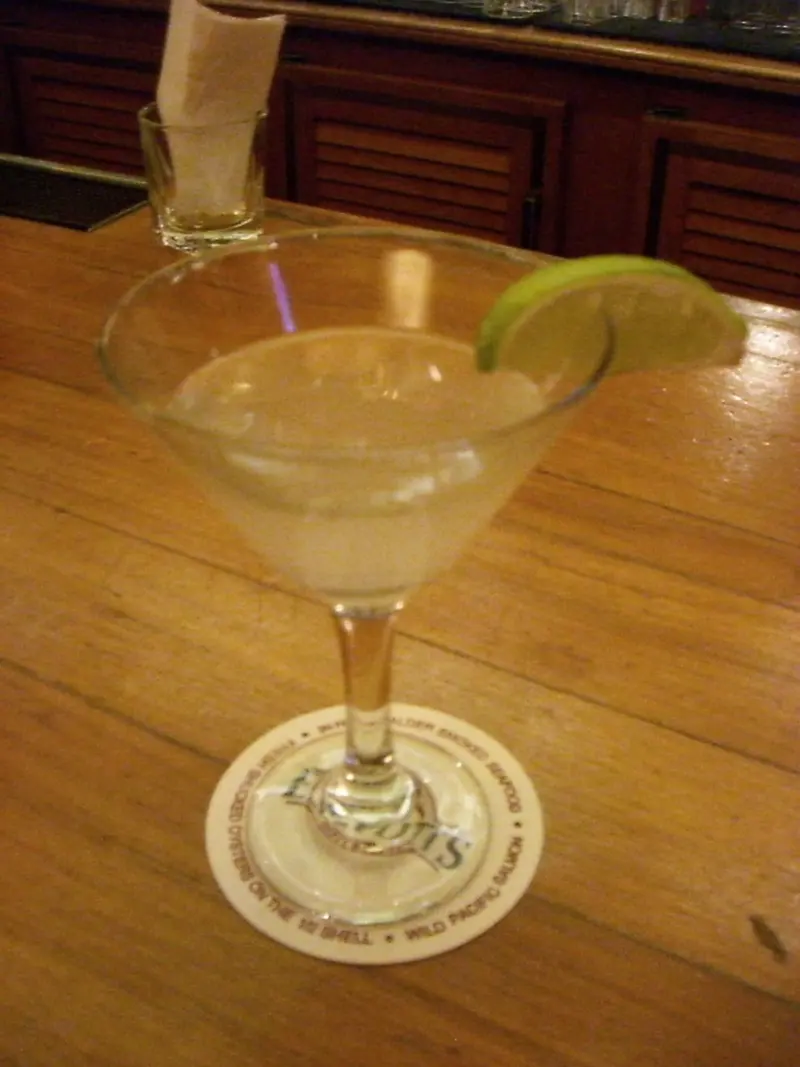
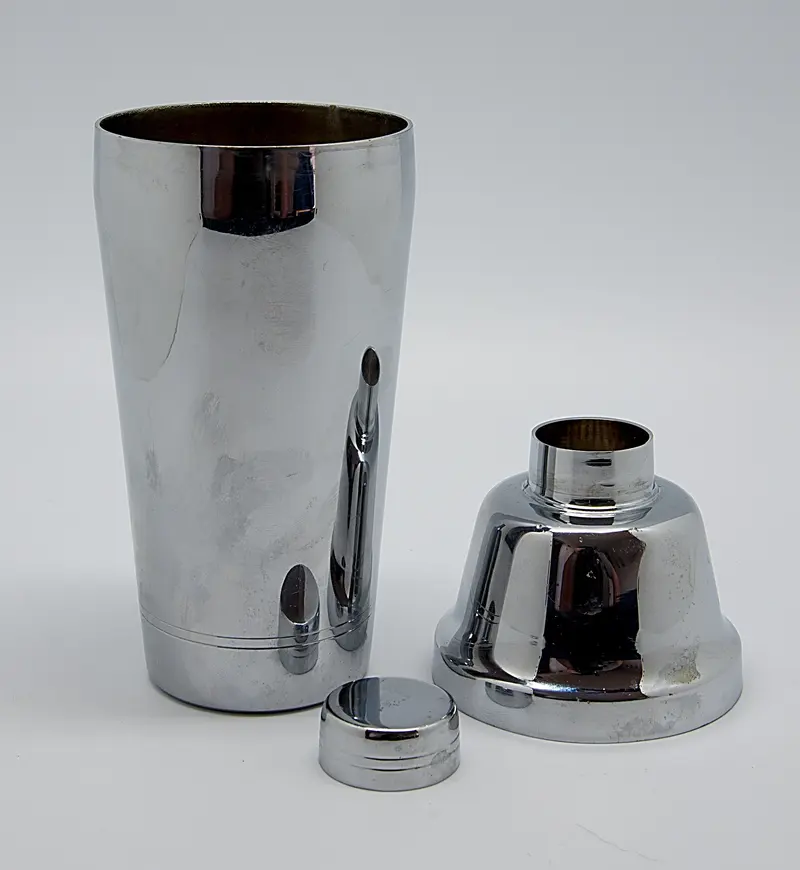
Shaking with ice chills, dilutes and aerates a drink, giving it a lively texture. As a general rule, shake drinks that contain citrus juice, cream, egg or other thick ingredients, such as the Daiquiri, Margarita and Alexander.
- Add the ingredients to the shaker, then fill it with ice.
- Seal it and shake hard until the outside of the tin is very cold.
- Strain into a chilled glass, or over fresh ice.
Stir
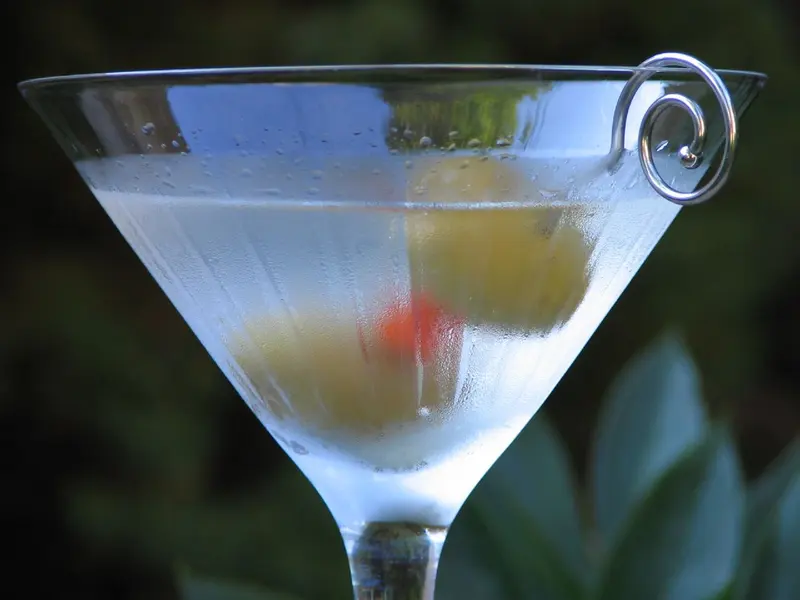
Stirring chills and dilutes with less aeration, keeping drinks clear and silky. Stir drinks made only of spirits, vermouths and liqueurs, such as the Dry Martini, Manhattan and Martinez.
- Fill a mixing glass with ice and add the ingredients.
- Stir smoothly with a bar spoon until well chilled.
- Strain with a julep strainer into a chilled glass.
Build
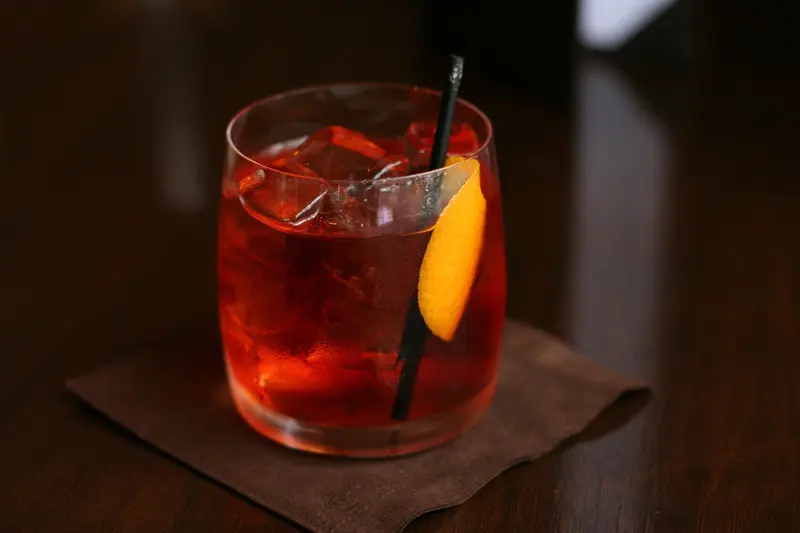
Building means making the drink directly in the glass you serve it in, usually over ice: the Negroni, Cuba Libre and Moscow Mule are built.
Muddle
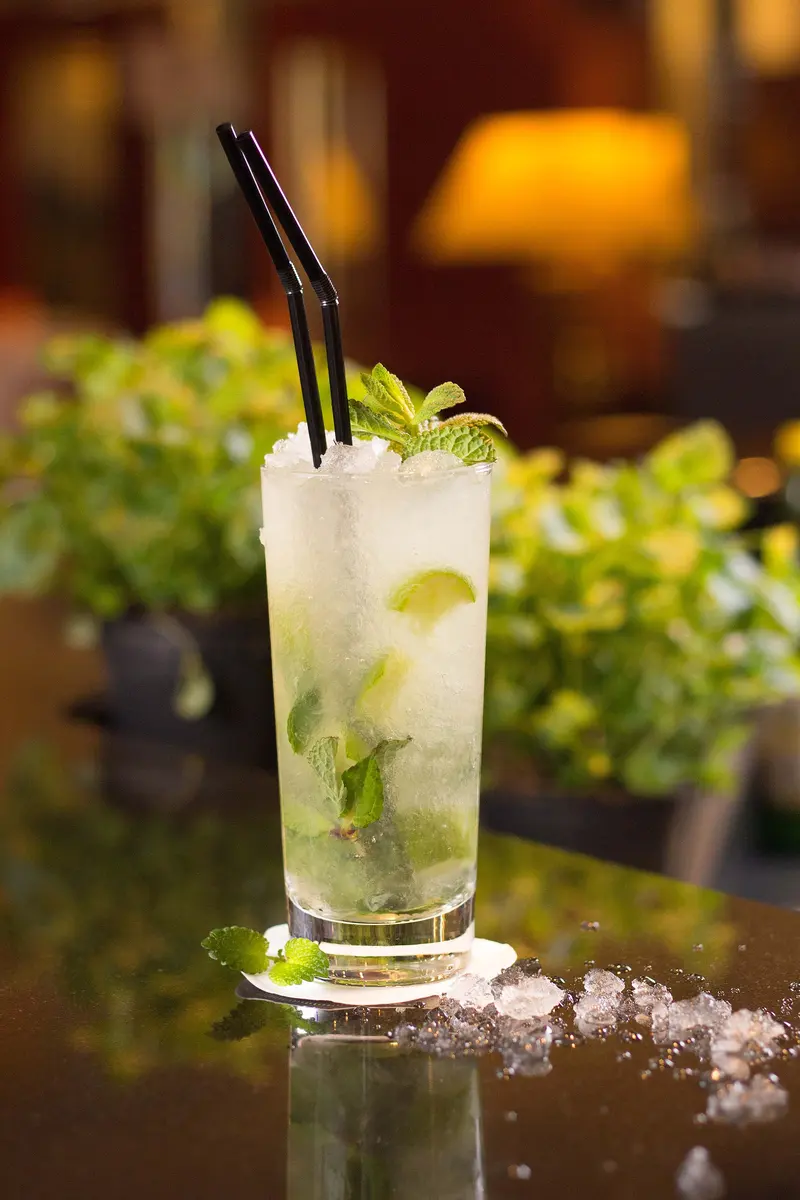
Muddling presses fruit, herbs and sugar to release juice and oils, as in the Caipirinha, Old Fashioned and Mojito. Press firmly for citrus and sugar, but gently for mint: tearing it up releases bitter, grassy flavours.
Double (fine) strain
Pouring through a Hawthorne strainer and a fine strainer catches ice chips, herb fragments and pulp. The IBA double-strains the South Side and fine-strains the Penicillin.
Layer and float
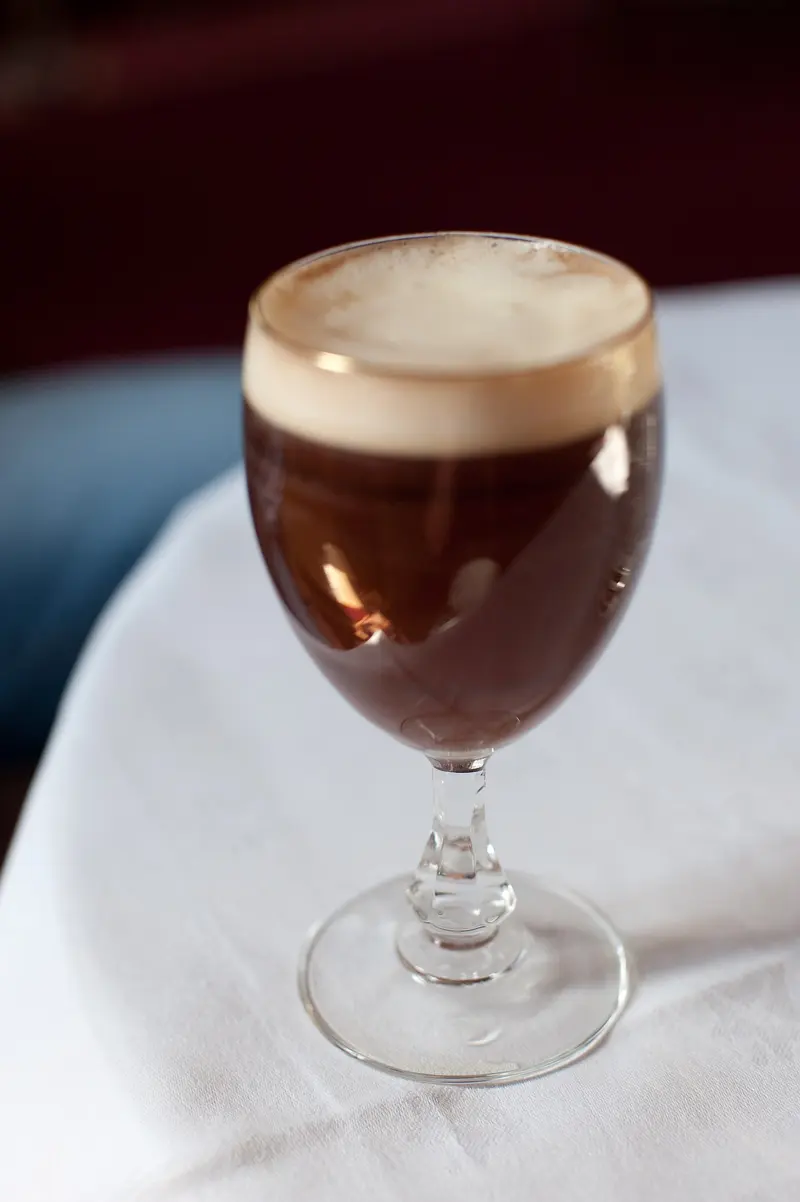
Pouring slowly over the back of a spoon lets a lighter liquid float on a heavier one: the cream on an Irish Coffee, the rum on a Dark 'n' Stormy. Dense liquids such as grenadine sink, which creates the gradient in a Tequila Sunrise.
Blend
An electric blender turns ice into a smooth, frozen texture, as in the Piña Colada. For the Zombie, the IBA uses short pulses.
Rinse
A rinse coats the glass with a small amount of a strongly flavoured spirit for aroma, then the excess is discarded. The Sazerac uses an absinthe rinse.
Egg white
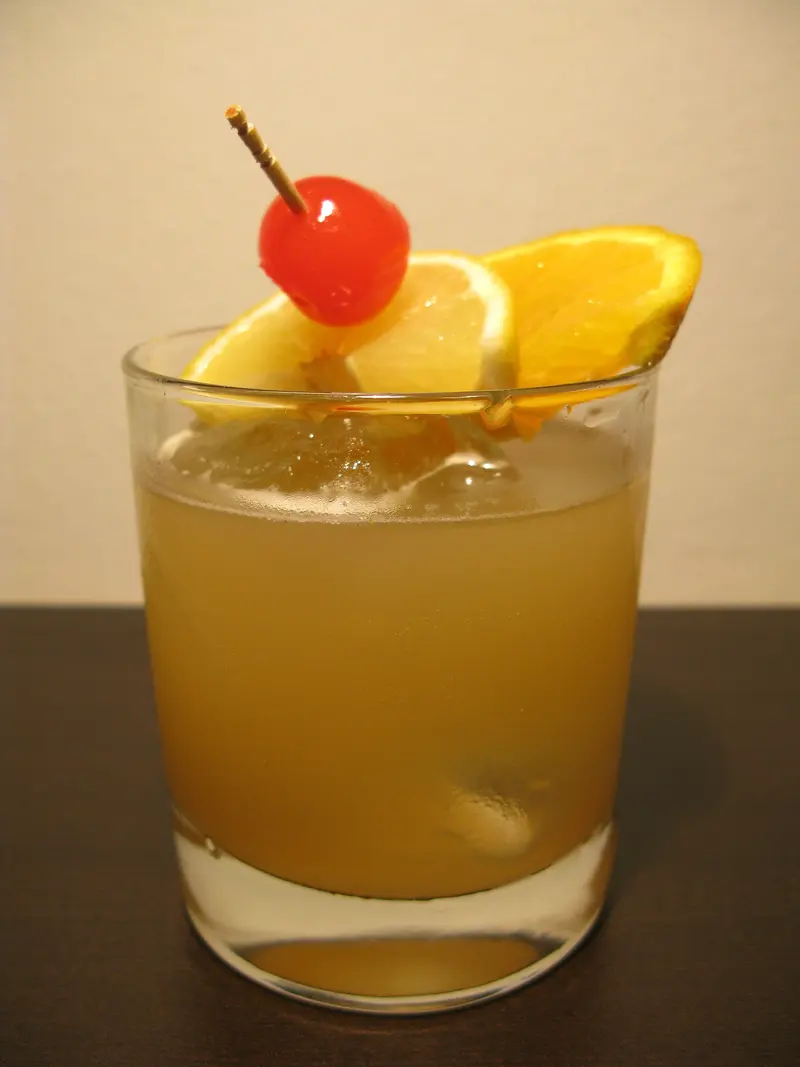
Egg white gives sours such as the Whiskey Sour, Clover Club and Pisco Sour a silky foam. The IBA advises shaking a little harder when egg white is used. You can also 'dry shake' first (without ice) to build the foam, then shake again with ice to chill.
Chill your glass
Drinks served 'up' (without ice) warm quickly. Put the glass in the freezer for a few minutes, or fill it with ice and water while you mix, then empty it.
See also: ice, garnishes, home bar basics and glassware.
Sources
Checked when this entry was written. Links open the original source in a new tab.