A garnish adds aroma, which is a large part of flavour, and tells the drinker what to expect. Keep garnishes fresh, simple and edible.
Citrus twists and expressing oils
Citrus peel is full of fragrant oils. Several IBA specifications, including the Dry Martini and French Martini, finish by squeezing the oil from a strip of lemon peel over the drink.
- With a Y-peeler, cut a strip of peel about the length of your thumb, taking as little white pith as possible (pith is bitter).
- Hold it skin-side down over the drink and pinch it so the oils spray across the surface.
- Drop it in or discard it, as the recipe says.
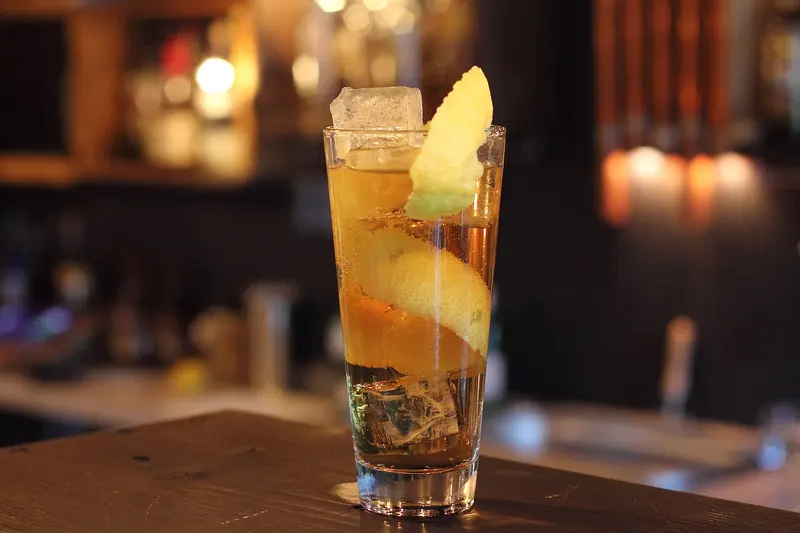
For a long spiral, as on the Horse's Neck, peel a whole lemon in one continuous strip.
Wheels, slices and wedges
- Wheels and half-slices sit on the rim or in the drink: half an orange slice for the Negroni.
- Wedges are for squeezing: a lime wedge with a Cuba Libre.
Salt and sugar rims
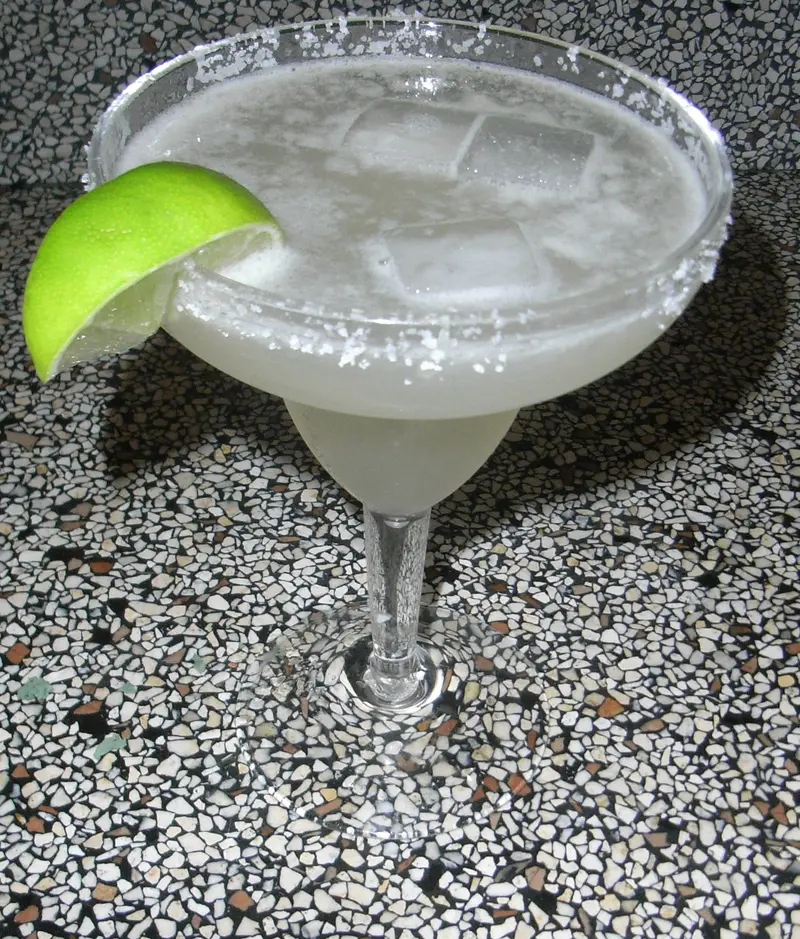
The IBA gives the Margarita an optional half salt rim, so every sip can be salted or not. Run a citrus wedge around half the outside of the rim only, then dip it in a saucer of salt. Keeping it off the inside of the glass stops salt falling into the drink.
Herbs
A mint sprig on a Mint Julep or Mojito is there for its aroma as you sip. Give it a light clap between your hands to wake up the oils before you add it.
Spices, beans and bitters
- Grated nutmeg on the Alexander.
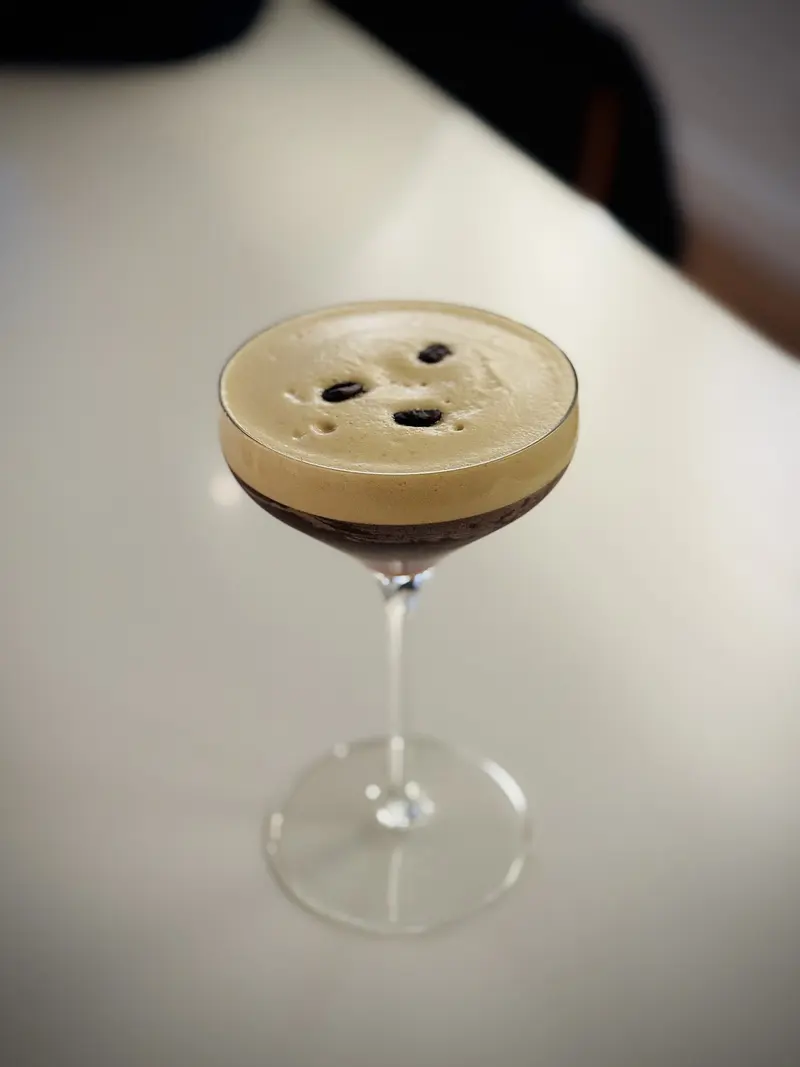
- Three coffee beans on the Espresso Martini.
- Drops of bitters on the foam of a Pisco Sour.
Cherries and olives
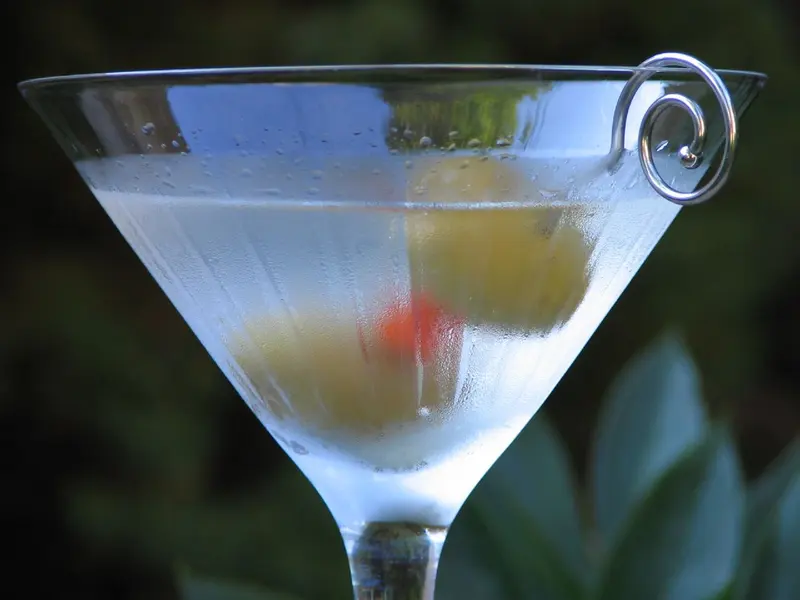
A cocktail cherry finishes the Manhattan; green olives are the alternative garnish for a Dry Martini. Spear them on cocktail picks.
See also: cocktail techniques and glassware.
Sources
Checked when this entry was written. Links open the original source in a new tab.