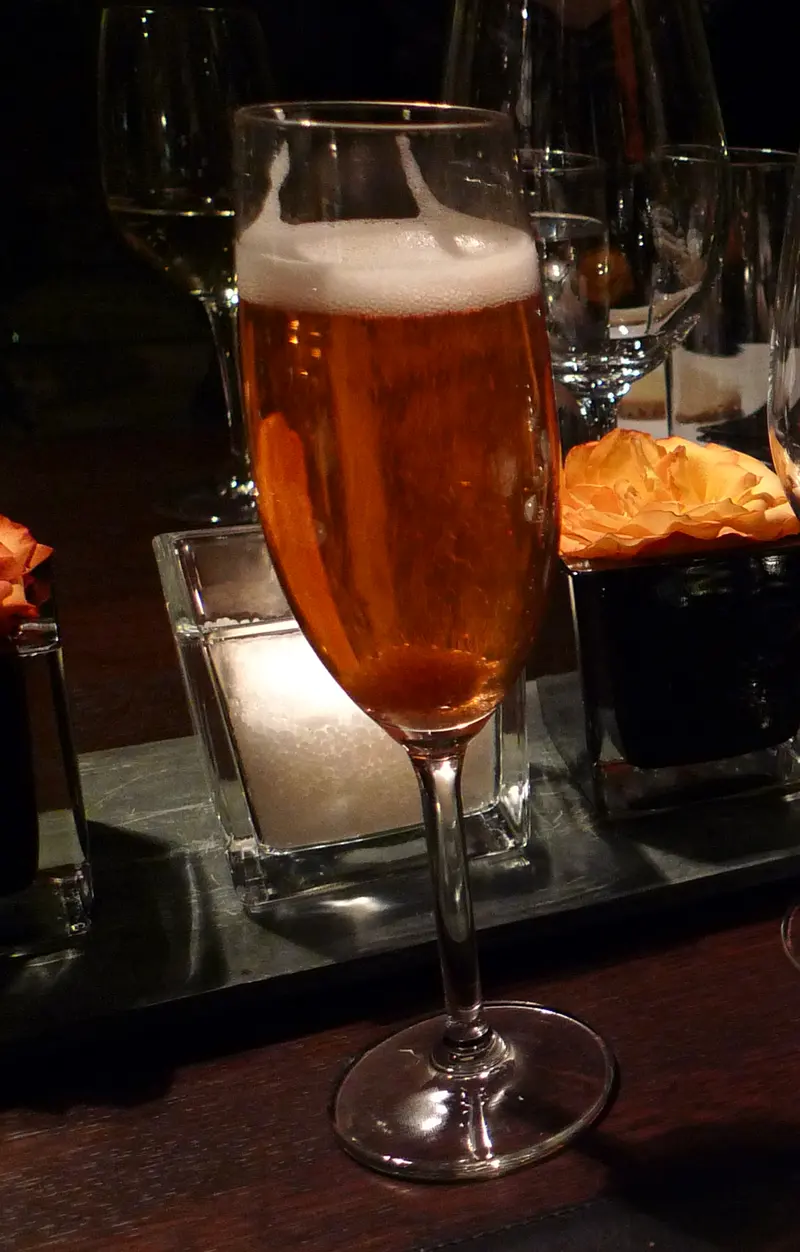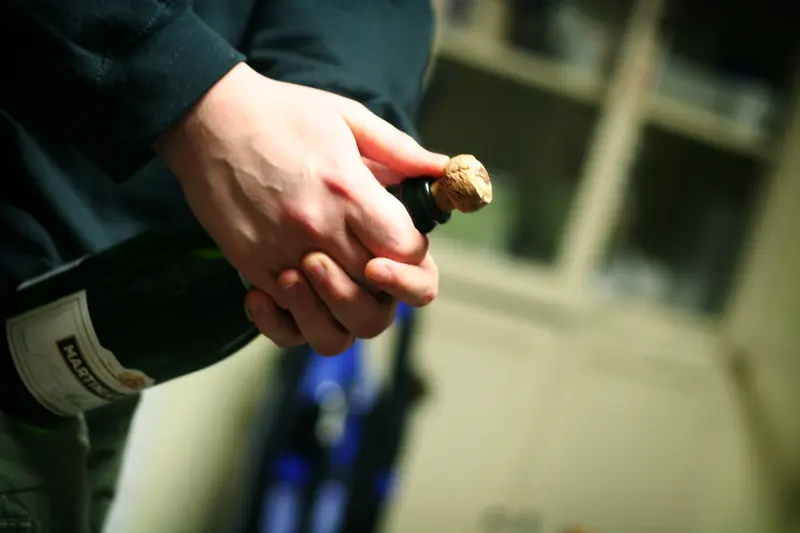
The pop of a cork is part of the fun at New Year. It is also, eye doctors warn every December, one of the more avoidable causes of eye injuries over the holidays. A bottle of sparkling wine is under considerable pressure, and Vision Matters, the National Eye Health Week campaign, says a cork can travel at over 60 miles an hour, too fast to blink or turn away.
This article covers how to open a bottle with control rather than a bang, and what to do if things go wrong.
Before you open it
Eye Health UK's advice, published through Vision Matters, starts before the foil comes off:
- Chill the bottle. A warm bottle is more likely to pop unexpectedly.
- Don't shake it. Shaking raises the pressure inside and makes the fizz more violent.
- Never point it at anyone, including yourself.
If a bottle has just been carried home or jostled in a bag, let it rest in the fridge before opening.
Opening with control
The method Eye Health UK recommends is the same one bar staff use:
- Cover the cork with a cloth or tea towel.
- Hold the bottle at an angle of about 45 degrees, pointing away from people and anything breakable.
- Gently twist, keeping a firm hold so the cork eases out into the cloth rather than flying.
It takes a few seconds longer than a dramatic pop, and the cork stays in your hand.
- Champagne flute Search Amazon.co.uk for Champagne flute (opens Amazon in a new tab)
- Coupe glass Search Amazon.co.uk for Coupe glass (opens Amazon in a new tab)
- Wine glass Search Amazon.co.uk for Wine glass (opens Amazon in a new tab)
Amazon links search Amazon.co.uk, so you can compare options yourself. As an Amazon Associate I earn from qualifying purchases.
Our guide to glassware explains when a flute, coupe or ordinary wine glass works best.
Planning the midnight toast
Most cork accidents happen in a rush, with a crowd round the table and everyone counting down. A little planning takes the pressure off:
- Open the bottles before midnight. An opened bottle with a stopper keeps its fizz for the few minutes before the countdown, and nobody is wrestling with a cork at the crucial moment.
- Let one person do the opening, away from the crowd, with a cloth to hand.
- Clear a space. Move glasses, candles and decorations out of the line the bottle is pointing in.
- Keep children at a distance, and give them their own sparkling drink to toast with.
- Have glasses ready and filled with care, rather than pouring in a hurry as the clock strikes.
If a cork hits an eye
Vision Matters says injuries from corks range from a bloodshot or black eye to a detached retina and, in some cases, glaucoma. Its advice is to contact an optometrist or call NHS 111 immediately.
The NHS page on eye injuries says to go to A&E or call 999 if something hit the eye at high speed, if your sight changes after the injury, or if there is severe pain, sensitivity to light, blood or pus from the eye, or you can't open or move the eye. Don't drive yourself.
The NHS also says not to rub or touch the eye, and not to wear make-up or contact lenses until it has healed. Always call 111 for a child under 5.
Sparkling cocktails, and pacing the evening
If you're making a fizz-based cocktail, the recipes here give exact measures:
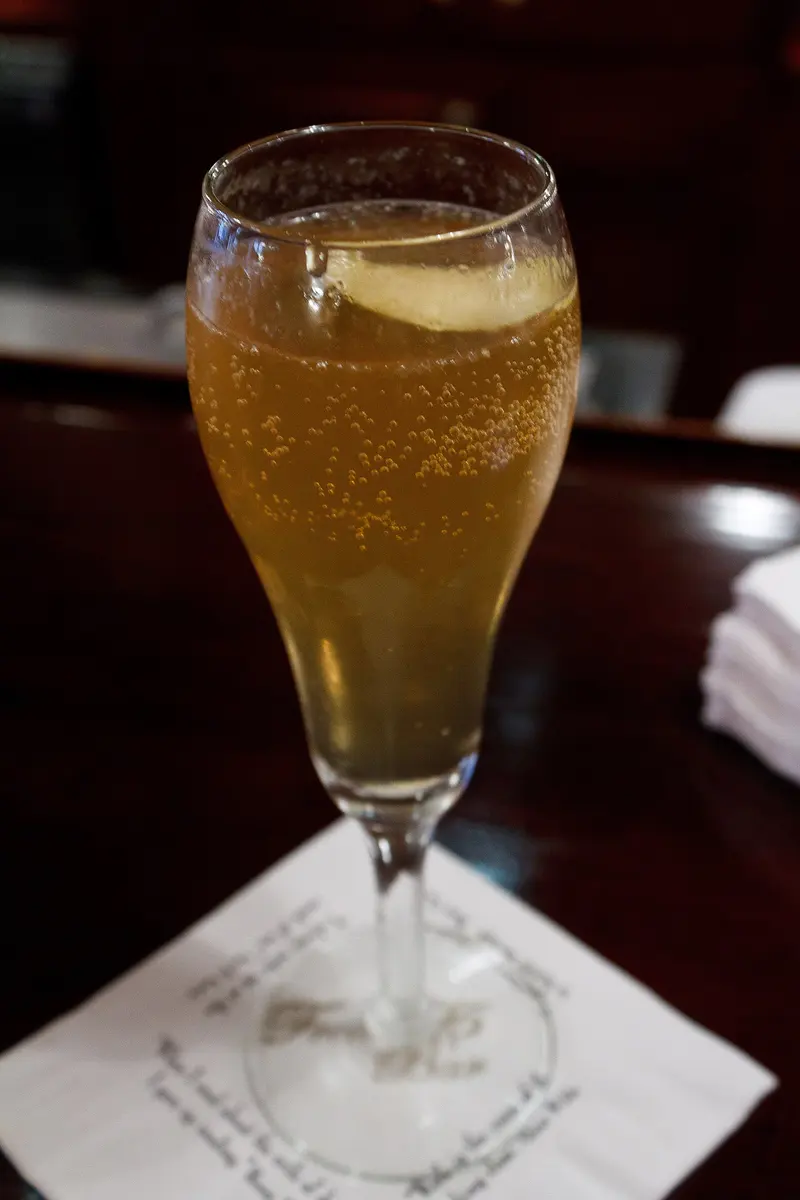
No. 042 · Cocktail · IBA
French 75
Gin, lemon and sugar syrup shaken, strained into a flute and topped with Champagne.
Photo: https://www.flickr.com/people/garyjwood/, CC BY-SA 2.0
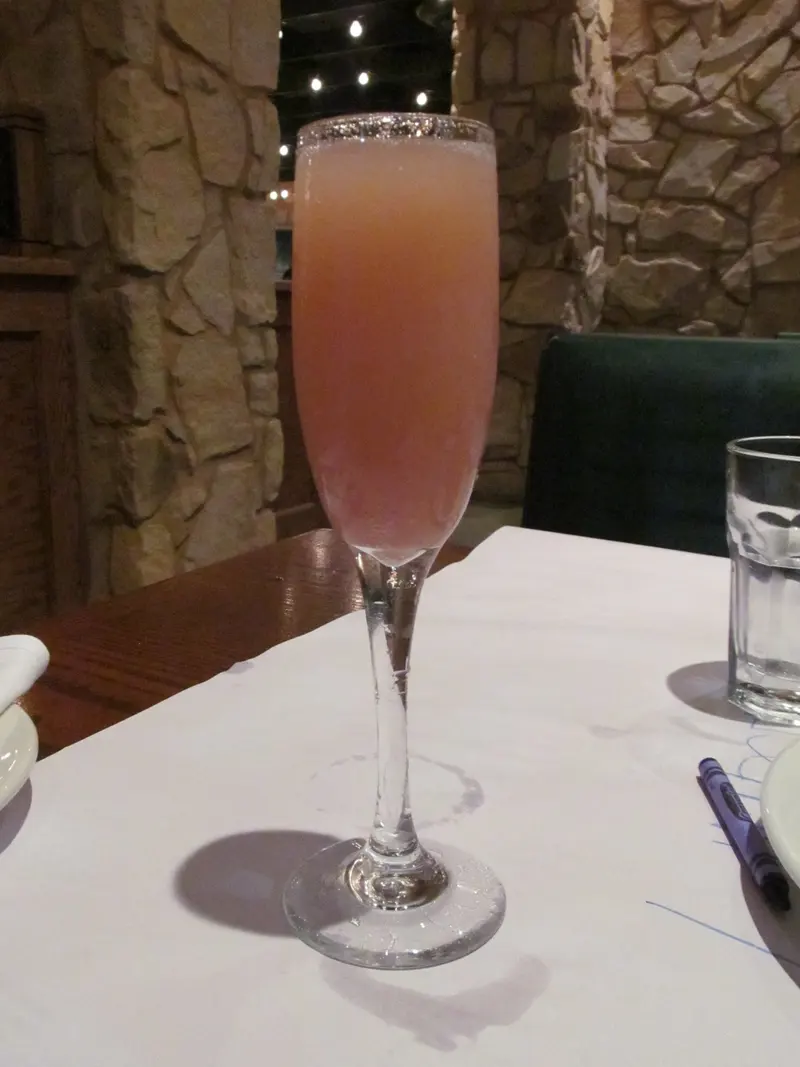
No. 036 · Cocktail · IBA
Bellini
White peach purée and Prosecco gently stirred and poured into a chilled flute.
Photo: John Phelan, CC BY-SA 3.0
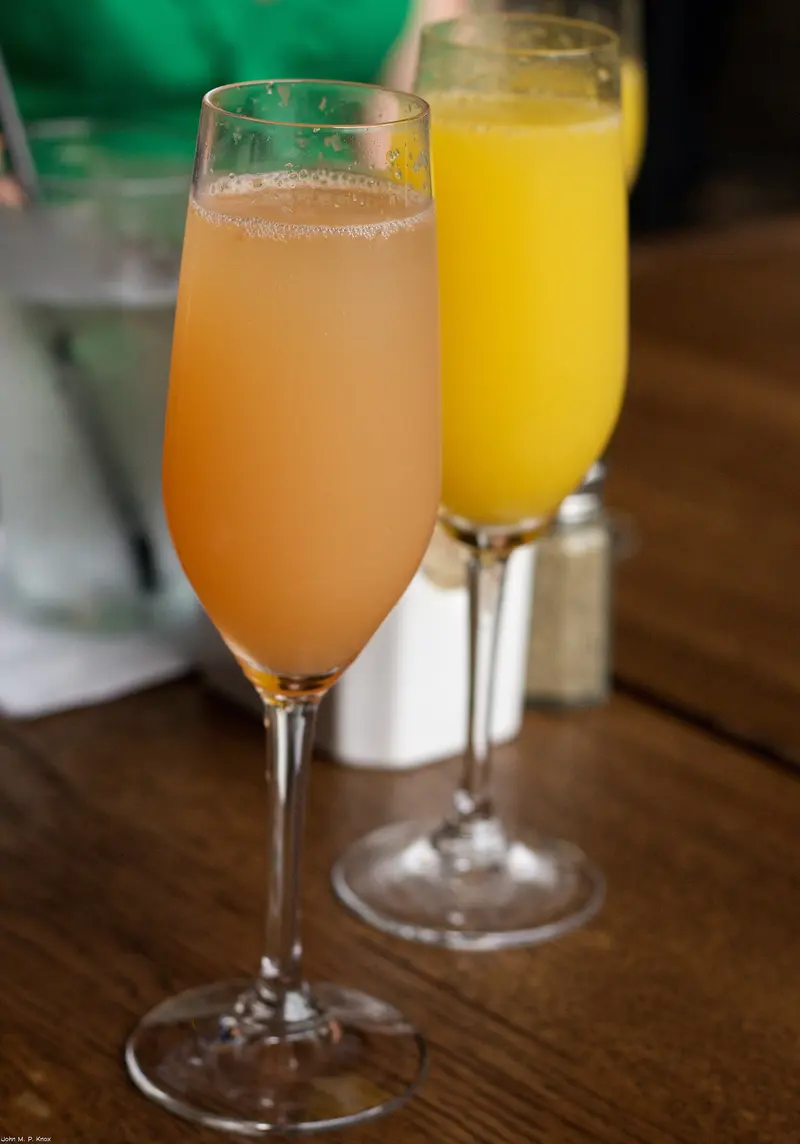
No. 048 · Cocktail · IBA
Mimosa
Equal parts fresh orange juice and Prosecco in a flute. The IBA notes it's also known as Buck's Fizz.
Photo: John Knox, CC BY-SA 2.0
Sparkling wine is easy to drink quickly, and glasses get topped up without anyone keeping count. The NHS's tips for cutting down work just as well for a single evening: decide on a limit before you start, eat before and while drinking, and alternate alcoholic drinks with water or soft drinks. Choosing lower-strength drinks helps too; check the ABV on the label.
For guests who aren't drinking, an alcohol-free sparkling option at midnight means nobody is left out:
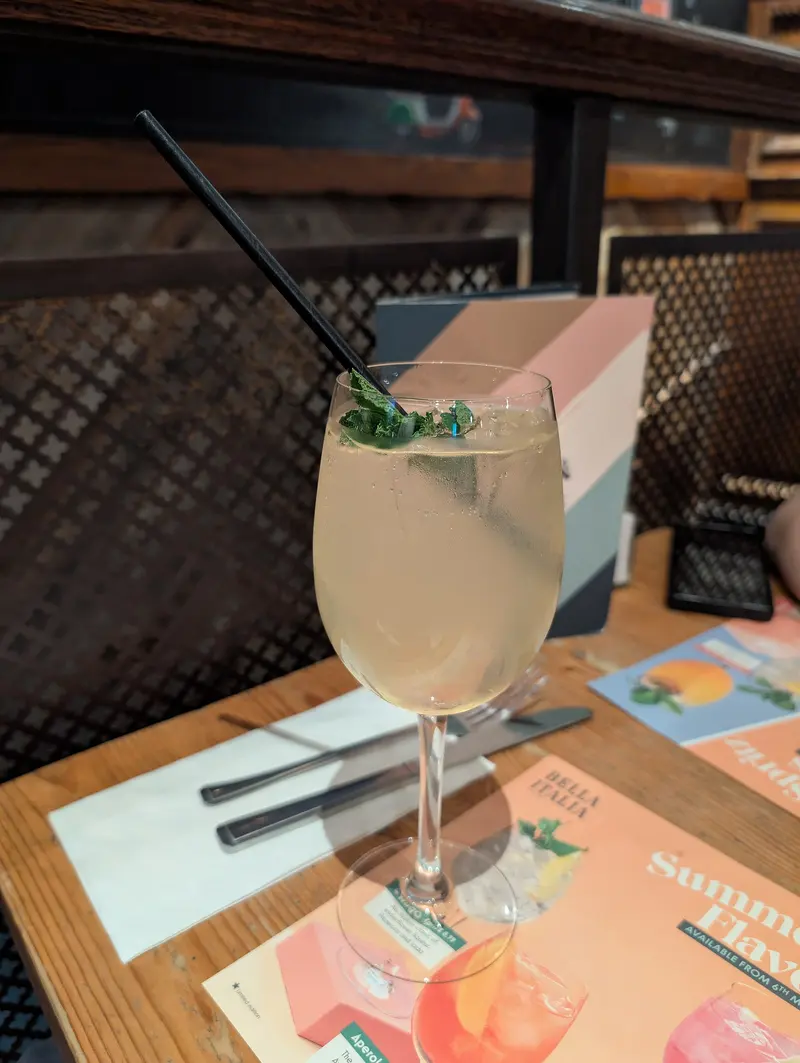
No. 097 · Mocktail
Elderflower spritz (alcohol-free)
Elderflower cordial, lime and sparkling water over ice with cucumber and mint.
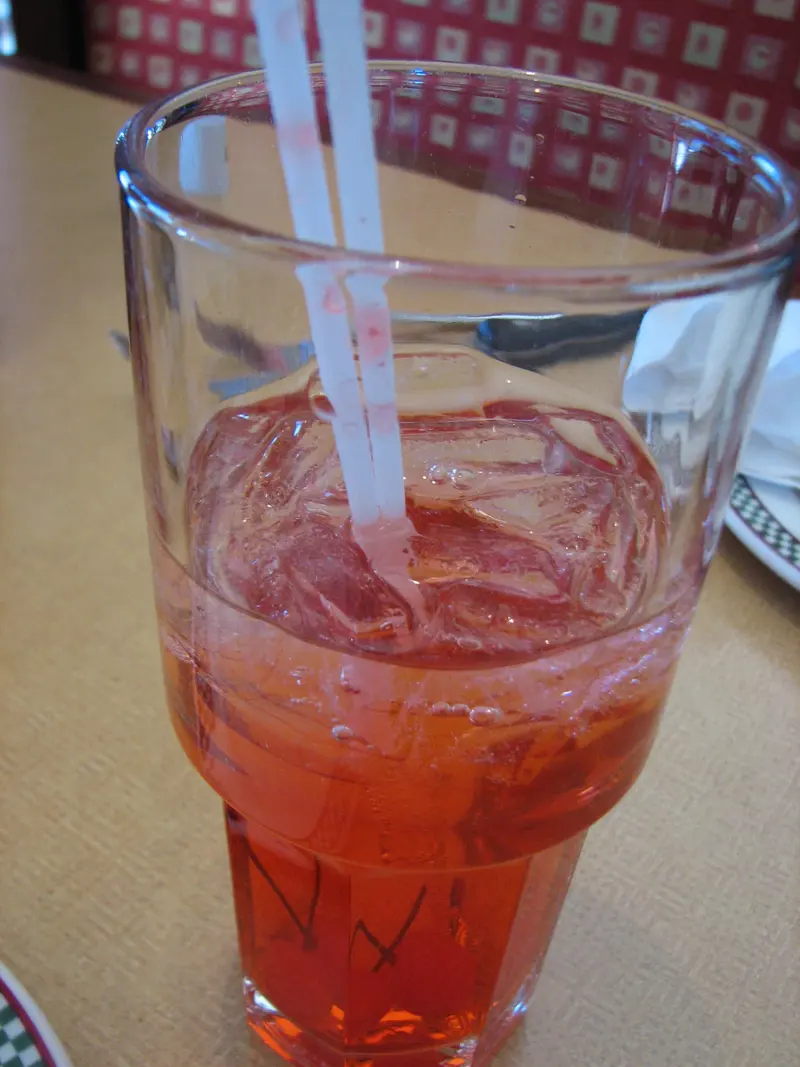
No. 094 · Mocktail
Shirley Temple
Ginger ale with a splash of grenadine and a cherry: a classic alcohol-free mixed drink.
Photo: Marie from Malang, East Java, Indonesia, CC BY-SA 2.0
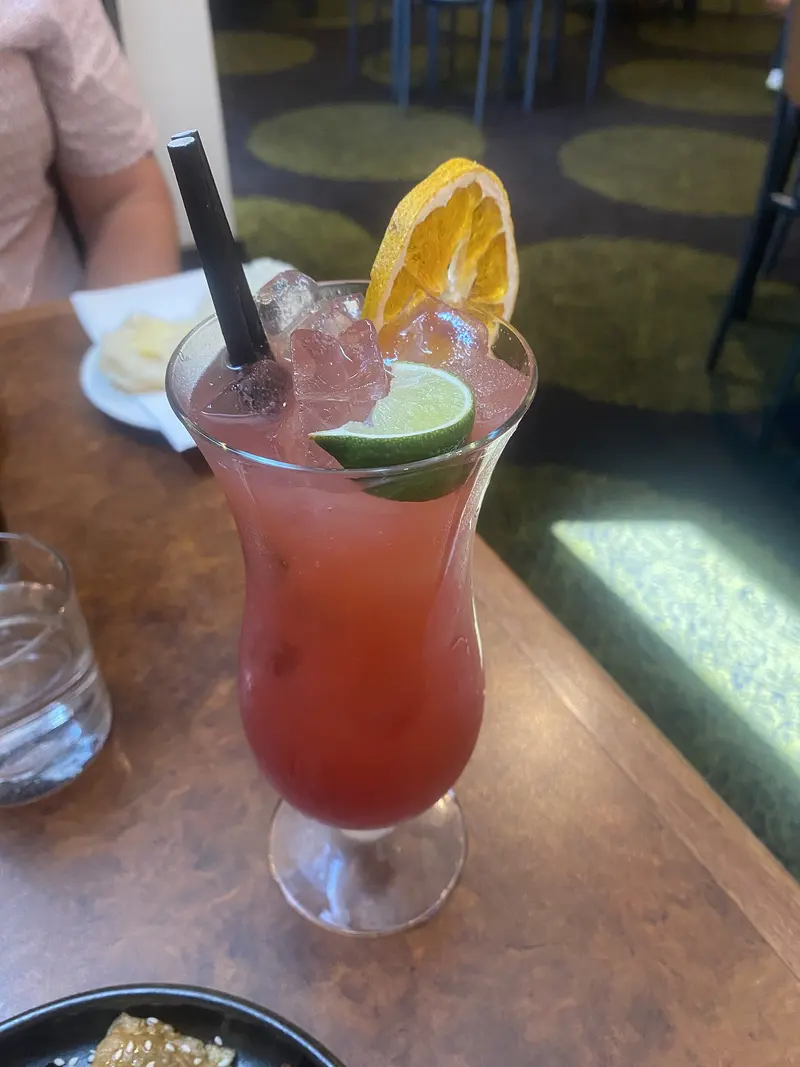
No. 103 · Mocktail
Cinderella
Orange, pineapple and lemon juices shaken with grenadine, then lengthened with soda water.
Photo: RegionVisitor90, CC0
If you're driving the next morning, read our guide to drink-driving and the morning after first.
Sources
- Vision Matters (National Eye Health Week): Don't be blind to the dangers of flying corks
- NHS: Eye injuries (reviewed 12 March 2026)
- NHS: Tips on cutting down alcohol (reviewed 9 April 2026)
Checked when this entry was written. Links open the original source in a new tab.
Checked 22 November 2026.