Cider is an alcoholic drink made from fermented apple juice. Perry is made the same way from pears, specifically perry pear varieties. Both have long histories in Britain, and both range from bone dry to sweet and from still to sparkling.
Cider
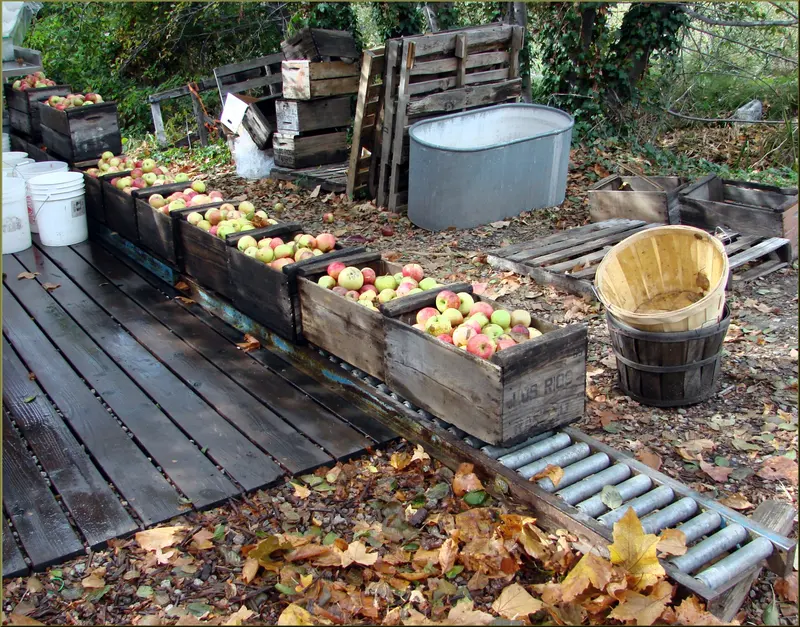
The National Association of Cider Makers notes that there are hundreds of cider apple varieties, which gives cider makers an almost limitless range of styles. Cider apples are grouped by character: bittersweets bring tannin, bittersharps and sharps bring acidity, and sweets bring fruitiness (CAMRA).
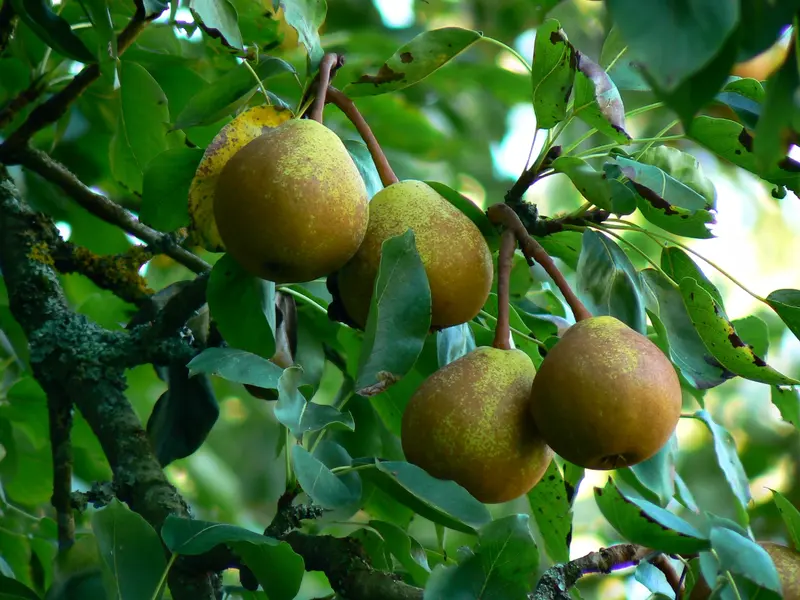
Perry
Perry pears have historically been grown in Gloucestershire, Herefordshire, Worcestershire and Somerset. Perry tends to be lighter and more floral than cider. 'Pear cider' is an alternative name used for a wide range of styles (National Association of Cider Makers).
What is 'real' cider?
CAMRA defines real cider or perry as being fermented from the whole juice of fresh-pressed apples or pears, without concentrated or chaptalised (sugar-boosted) juice. CAMRA began campaigning for traditional cider and perry in 1985, when perry in particular was in danger of disappearing.
British cider styles
CAMRA's introduction to cider styles (based on Gabe Cook's Modern British Cider) lists many styles, including:
- Western counties: rooted in western and south-western England and parts of Wales, made from tannin-rich cider apples for a bold structure and intense aromas.
- Keeved: a naturally sweet style that goes through a process called keeving before fermentation, usually giving lower alcohol and some natural sweetness; often bottled with natural carbonation. Sometimes called French or Normandy style.
- Eastern counties: associated with Kent and the east of England; CAMRA describes soft, almost wine-like aromatics and refreshing, apple-driven acidity.
- Traditional and modern perry, flavoured (fruit or botanicals), ice cider, bottle-fermented, rosé and low or no alcohol ciders.
Serving cider
Cider can be served from the cask by gravity, by handpump, from a keg or from a bottle, and in anything from a pint glass to a flute. Pour sparkling cider like beer, down the side of a tilted glass; pour still cider straight in. Draught cider, like beer, is sold in thirds, halves and two-thirds of a pint or multiples of half a pint (GOV.UK).
Try: a pint of cider, a pint of perry and mulled cider.
Sources
- National Association of Cider Makers — What is cider & perry?
- CAMRA — Intro to cider styles
- CAMRA — What are real cider & perry?
- GOV.UK — Weights and measures: specified quantities
Checked when this entry was written. Links open the original source in a new tab.