In summer most of us remember to drink, because we feel hot and thirsty. In winter, with the heating on and cups of tea going cold on the desk, it is easier to drink less than you mean to. This article sets out what the NHS actually recommends, and which drinks count. It is general information; if you have a medical condition that affects how much you should drink, follow your doctor's advice.
The guideline
The NHS says the government recommends 6 to 8 cups or glasses of fluid a day. That is a general guide for adults. You may need more if you are:
- pregnant or breastfeeding
- somewhere hot (including a very warm, heated room for long periods)
- physically active for a long time
- ill or recovering from illness
The NHS's simple check is the colour of your urine: aim for a clear, pale yellow.
What counts
The good news for tea drinkers is that it all adds up. The NHS says water, lower-fat milk, lower-sugar drinks, and tea and coffee all count towards your daily fluid.
Water
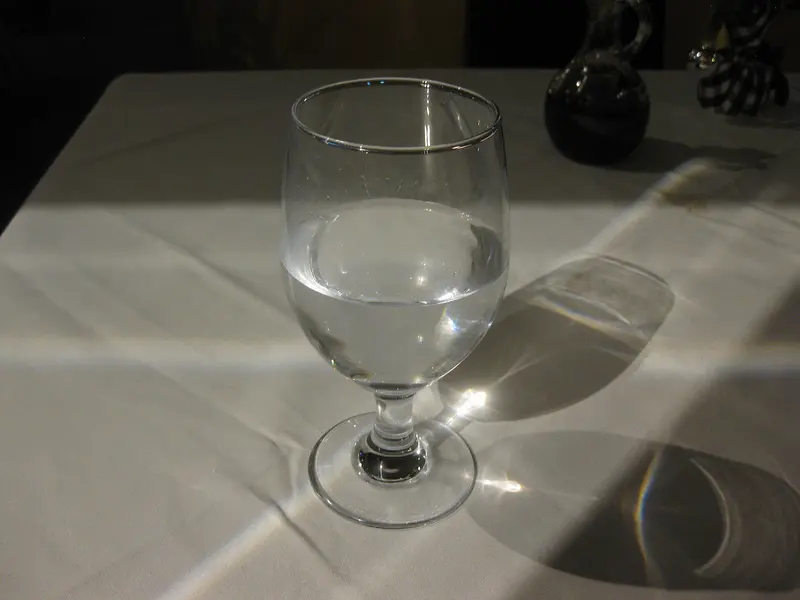
The cheapest and simplest. If you find plain water dull in winter, try it warm with a slice of lemon, or try sparkling water with lime, as the NHS suggests.
Tea and coffee
They count, but the NHS advises having caffeine in moderation, and says people who are pregnant should have less than 200 mg a day. Our guide to caffeine in tea, coffee and soft drinks has the figures for a typical cup. Herbal and fruit teas are another option.
No. 108 · Tea
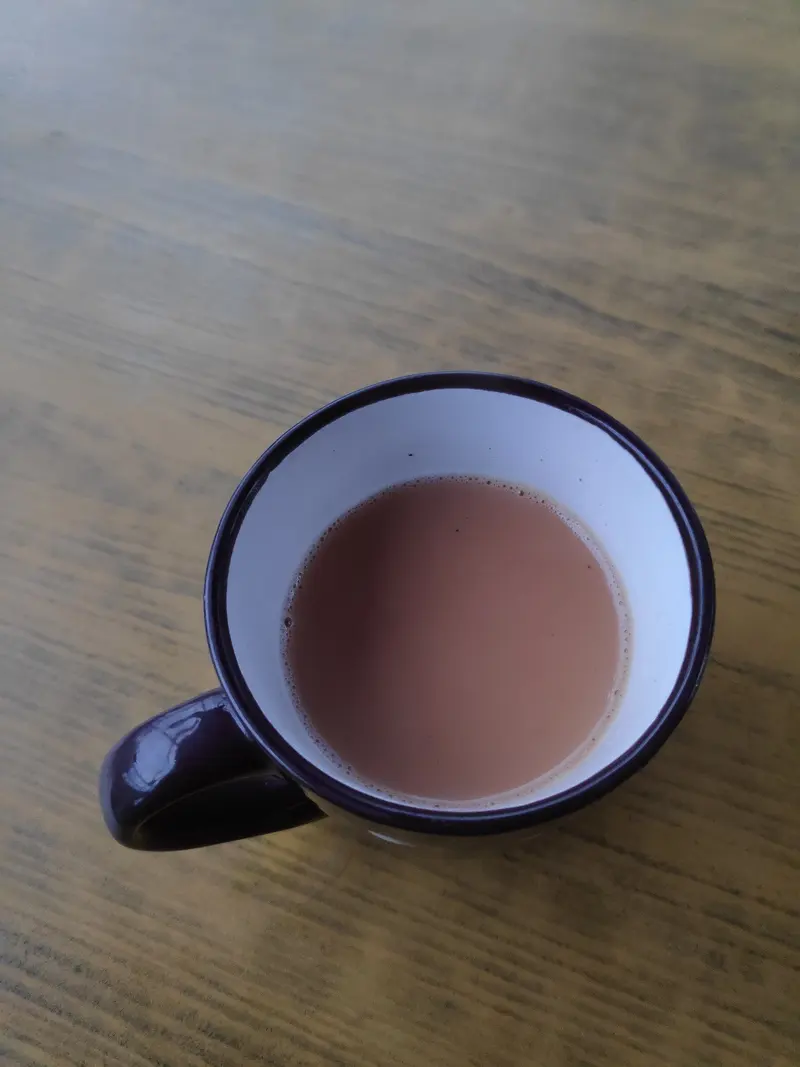
The perfect cup of Yorkshire Tea
Yorkshire Tea's own method for a proper brew in a mug: freshly drawn water, 4–5 minutes, one gentle squeeze, milk last.
Photo: Gaurav Dhwaj Khadka, CC BY-SA 4.0
No. 114 · Tea
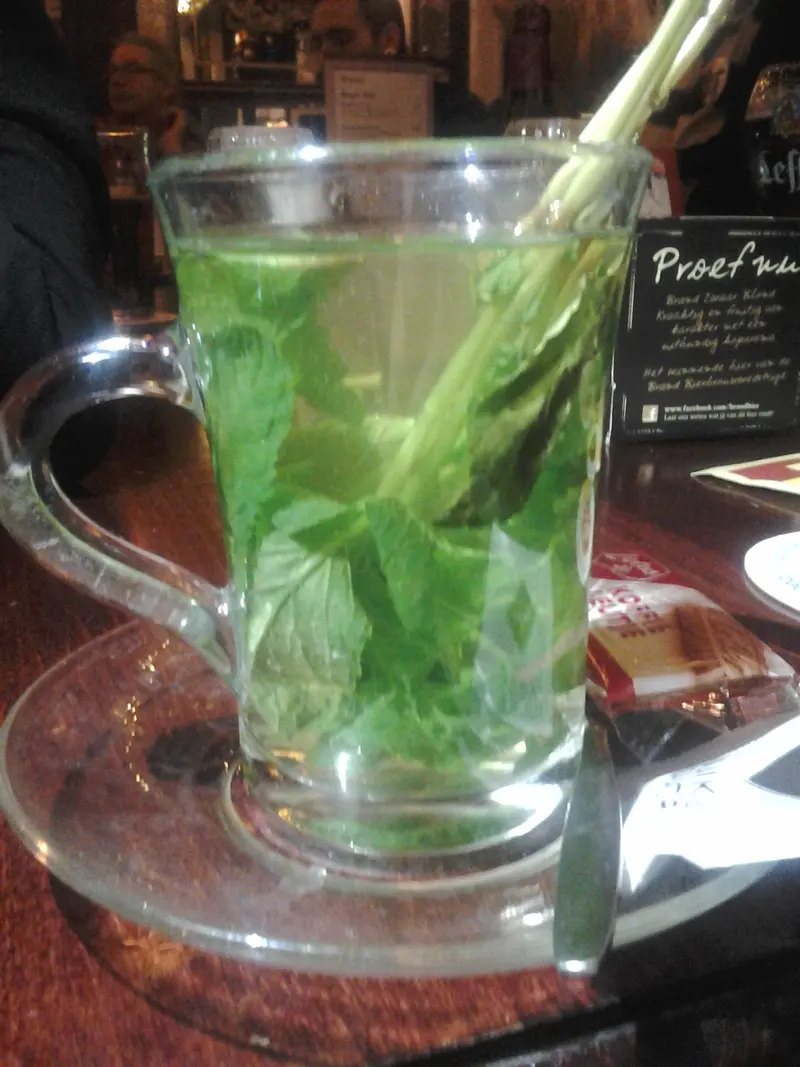
Fresh mint tea
A handful of fresh mint steeped in hot water. Strictly an infusion (tisane) rather than tea: no tea leaves, no caffeine.
Photo: Mark Jason Dominus, CC BY-SA 3.0
No. 111 · Tea
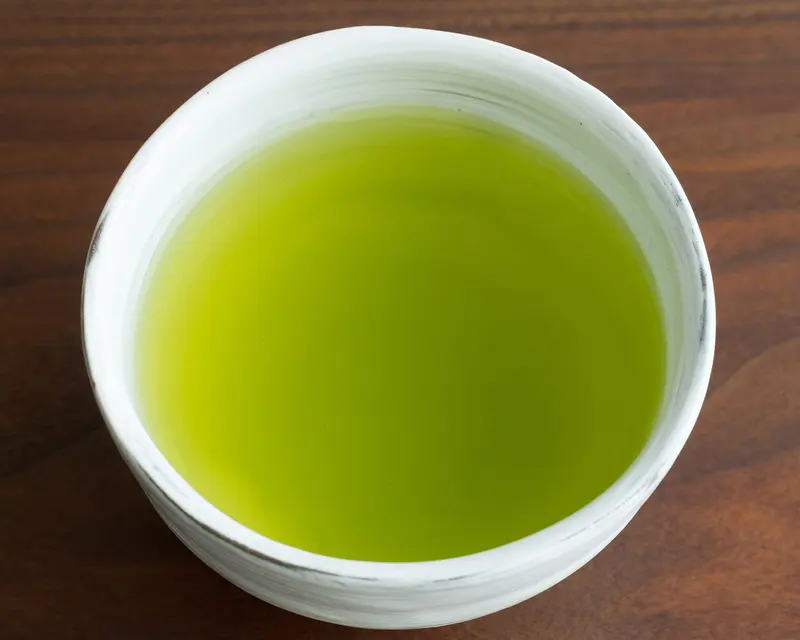
Green tea
Green tea brewed with water at around 80°C, not boiling, for 2–4 minutes depending on the tea. No milk.
Photo: Difference engine, CC BY-SA 4.0
Milk
Lower-fat milk counts, and the NHS says milk and water are the best drinks for children. Milk can be a child's main drink from the age of one.
What to limit
Fruit juice and smoothies
The NHS says to limit fruit juice and smoothies to one small glass (150 ml) a day, with a meal, because they are high in sugar. The sugar in juice counts as 'free sugar', the kind the NHS says most of us should cut down on: no more than 30 g a day for adults.
Sugary drinks
Fizzy drinks, squash and juice drinks with added sugar add calories and can damage teeth. The NHS suggests swapping to diet or no-added-sugar versions, diluting squash more, and looking for green or amber on colour-coded labels. Our article on the sugar levy on soft drinks explains why many drinks have changed recipe.
Alcohol
Alcoholic drinks aren't on the NHS's list of drinks that count, and it is easy to drink more than you mean to over the Christmas period. Alternating alcoholic drinks with water or soft drinks is a simple way to pace an evening; see our guide to drinking responsibly for the UK guidelines.
What 6 to 8 drinks might look like
As an illustration only, a winter day that reaches the NHS's figure without any effort might look like this:
- A cup of tea with breakfast.
- A glass of water mid-morning.
- A coffee at your desk.
- A glass of water with lunch.
- A herbal tea in the afternoon.
- A glass of water or lower-fat milk when you get home.
- A glass of water with dinner.
- A hot drink in the evening.
Everyone is different, and on a day of hard physical work or illness you may need more.
Making it easier in winter
A few habits that fit the season:
- Keep a jug or bottle of water where you can see it, not just a mug of tea.
- Have a glass of water with each meal.
- If you drink a lot of coffee, swap one cup a day for a herbal tea or warm water with lemon.
- For a warm, filling drink that isn't tea or coffee, a hot chocolate made with lower-fat milk counts too, though keep an eye on the sugar.
For something cold and refreshing without much sugar, try a mint tea over ice or one of our lighter mocktails:
No. 095 · Mocktail
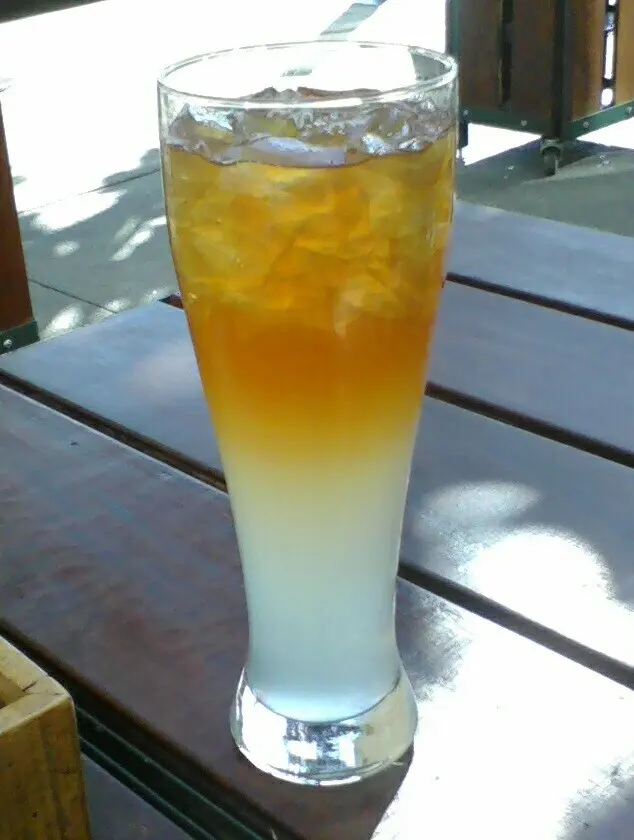
Arnold Palmer
Half iced tea, half lemonade over ice: a simple, refreshing non-alcoholic mix named after the golfer.

No. 103 · Mocktail
Cinderella
Orange, pineapple and lemon juices shaken with grenadine, then lengthened with soda water.
Photo: RegionVisitor90, CC0

No. 098 · Mocktail
Cucumber and mint cooler
Muddled cucumber and mint shaken with lime and sugar syrup, strained over ice and topped with soda.
Sources
- NHS: Water, drinks and your health (reviewed 17 May 2023)
- NHS: How does sugar in our diet affect our health?
Checked when this entry was written. Links open the original source in a new tab.
Checked 22 November 2026.