If you have noticed that many fizzy drinks now taste a little less sweet than they used to, or that the label lists a sweetener alongside sugar, the Soft Drinks Industry Levy is a large part of the reason. Often called the 'sugar tax', it has applied in the UK since April 2018, and the rules are changing again from January 2028.
This article explains the levy in plain terms for anyone reading a label at home. It is general information, not tax advice; producers should read HMRC's guidance in full.
Who pays it
The levy is paid by the companies that produce or import soft drinks, not by shoppers at the till. It is charged per litre of drink, so the aim is to encourage makers to use less sugar rather than to add a fixed amount to the price of every bottle.
Which drinks are covered
According to HMRC, a drink is liable if it:
- contains added sugar during production, and
- has at least 5 g of total sugar per 100 ml, and
- is 1.2% ABV or less.
There are two bands: a lower rate for drinks with 5 g to under 8 g of sugar per 100 ml, and a higher rate for 8 g or more. Both rates have risen since 2018; HMRC's table shows the current figures from 1 April 2026.
Sugar replacements such as stevia, aspartame and sucralose don't count towards the threshold. That is why many drinks that used to be fully sugared now use a mix of sugar and sweetener, landing just under the 5 g line.
Which drinks aren't
HMRC's guidance lists exemptions, including:
- drinks that are at least 75% milk (at least 75 ml of milk in every 100 ml)
- some milk substitutes, such as soya or almond drinks, that meet calcium and other criteria
- alcohol replacements, such as de-alcoholised drinks
- drinks made with fruit or vegetable juice and no other added sugar
- syrups and flavourings added to coffee or cocktails, and drinks mixed in an open container
- infant formula, baby foods and certain medical foods
So a carton of pure orange juice is not taxed, even though it contains plenty of natural sugar, and nor is a milkshake made to order in a café.
What changes in 2028
HMRC's policy paper, updated on 28 October 2026, sets out changes that will have effect from 1 January 2028:
- The lower threshold drops from 5 g to 4.5 g of total sugar per 100 ml.
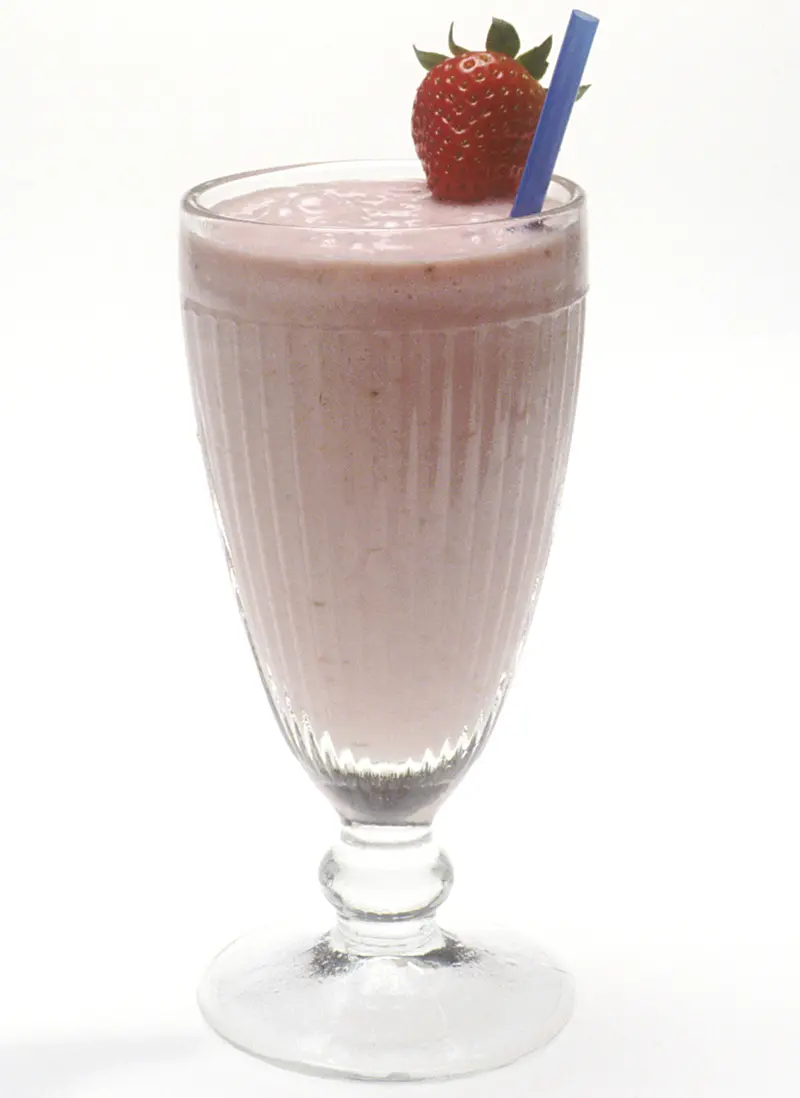
- Pre-packaged milk-based drinks with added sugar lose their exemption. That covers things like bottled milkshakes and ready-to-drink coffees. Lactose that occurs naturally in the milk is ignored when working out the sugar, but added lactose counts.
- Still out of scope: open-cup milkshakes made in cafés and bars, plain milk, and milk drinks without added sugar. (Making your own? Our guide to how to make a milkshake includes the NHS advice on sugar.)
Expect some recipes on the supermarket shelf to change before then, as makers adjust.
What it means when you read a label
The levy is about tax, not health advice, but its numbers line up with the labels you see. The NHS says a drink is high in sugar if it has more than 22.5 g of total sugars per 100 g, and low if it has 5 g or less. Most fizzy drinks are measured per 100 ml, which for drinks is close enough to compare.
A few points worth knowing:
- 'No added sugar' isn't the same as low sugar. Fruit juice has no added sugar but still counts as 'free sugar' for health purposes. The NHS suggests no more than one small 150 ml glass of fruit juice or smoothie a day, with a meal.
- Daily limits. The NHS recommends adults have no more than 30 g of free sugars a day, children aged 7 to 10 no more than 24 g, and children aged 4 to 6 no more than 19 g.
- Best everyday drinks. For children, the NHS says water and milk are best.
Making your own
One advantage of making soft drinks at home is that you choose the sugar. Our homemade lemonade, cordials and quick ginger ale let you sweeten to taste, and dilute more for children:
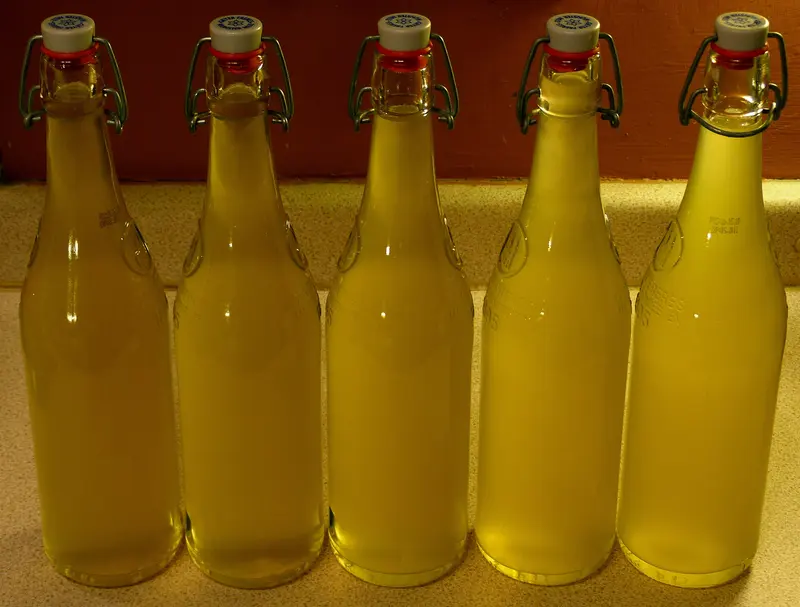
No. 105 · Soft drink
Elderflower cordial
Elderflower heads steeped in lemony sugar syrup for 24 hours, then strained and bottled. Dilute to serve.
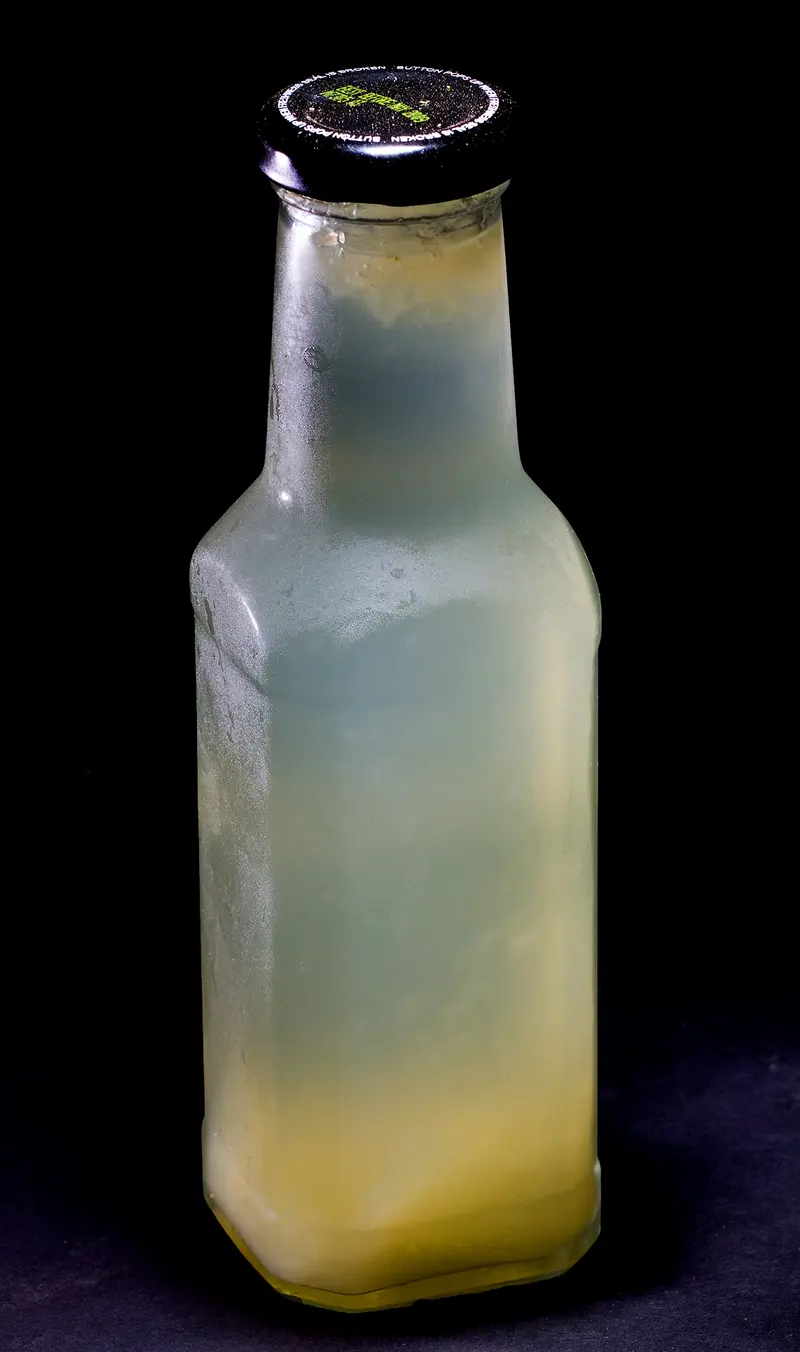
No. 104 · Soft drink
Homemade lemonade
Fresh lemon juice and a simple sugar syrup topped up with still or sparkling water. Serves four.
Photo: JJ Harrison, CC BY-SA 2.5
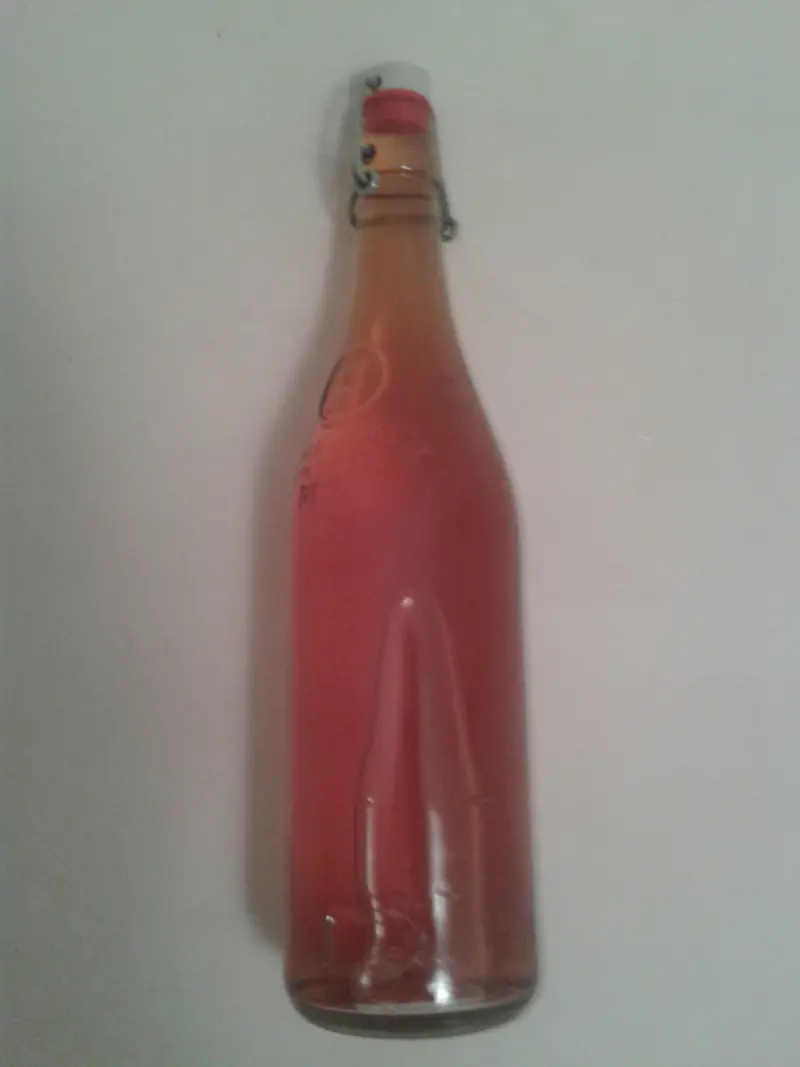
No. 106 · Soft drink
Pink lemonade
Homemade lemonade blended with raspberries and strained for a natural pink colour.
Photo: Baldurmen, CC BY-SA 3.0
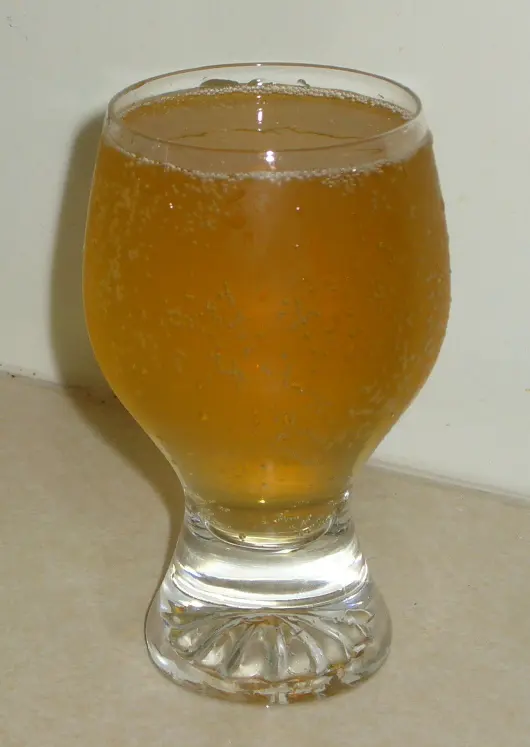
No. 107 · Soft drink
Quick ginger ale
A fresh ginger syrup mixed with lime and sparkling water. No fermenting needed.
Photo: Hisakazu Watanabe, CC BY-SA 2.0
For the caffeine side of cola and energy drinks, see our guide to caffeine in tea, coffee and soft drinks.
Sources
- HMRC: Check if your drink is liable for the Soft Drinks Industry Levy (updated 25 March 2026)
- HMRC: Changes to the Soft Drinks Industry Levy — policy paper (updated 28 October 2026)
- NHS: How does sugar in our diet affect our health?
- NHS: Water, drinks and your health (reviewed 17 May 2023)
Checked when this entry was written. Links open the original source in a new tab.
Checked 22 November 2026.