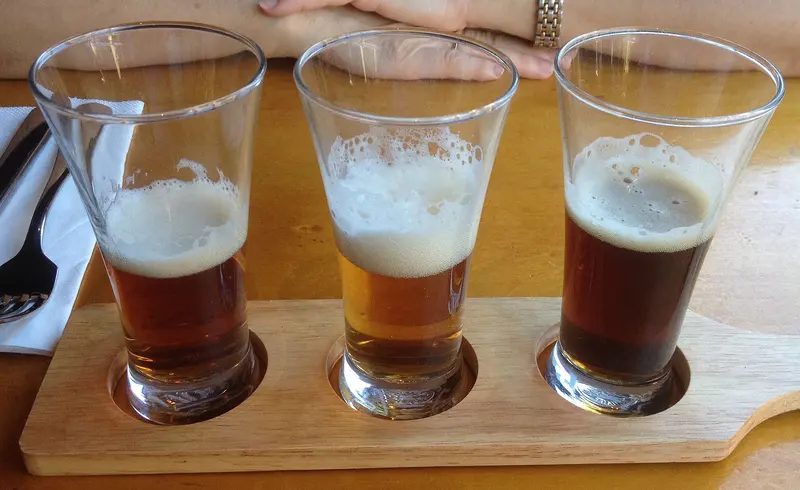
Beer comes in many colours, flavours and strengths, grouped into styles. Knowing the main ones makes a bar or beer festival much easier to navigate. CAMRA, the Campaign for Real Ale, notes there are nearly 2,000 breweries across the UK, and uses its own style guide for judging the Champion Beer of Britain. The descriptions and strength ranges below summarise CAMRA's notes.
Milds (4% ABV or less)
Lightly hopped and malty, sometimes sweet, with toffee notes. Pale milds are amber to gold; dark milds have roasted flavours of chocolate, coffee and liquorice with a light bitterness.
Bitters
- Session bitters (4.3% or less): amber to dark brown, thin to average body, malt with noticeable earthy, spicy or peppery hops.
- Premium bitters (4.4–6.4%): fuller malt and stronger fruit; stronger examples can have estery notes such as pear drops.
Pale, blond and golden ales
Lighter in malt than bitters, with noticeable hops: traditional English and German hops give earthy and spicy notes, New World hops give citrus and tropical fruit. Golden ales tend to have pronounced citrus hop notes.
IPAs (5.5% and above)
Hoppier than premium bitters. British IPAs have honeyed, biscuity malt with peppery, earthy or piney hops; New World IPAs are noticeably fruitier, with citrus, tropical or white-wine notes.
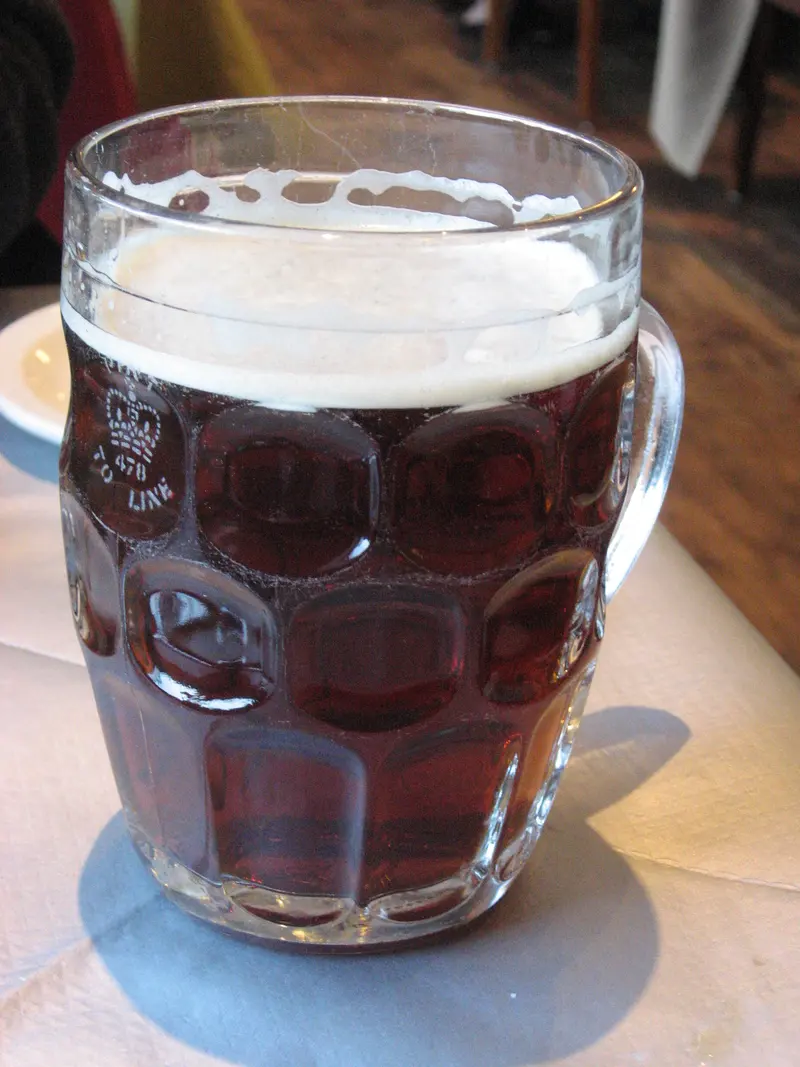
Brown ales, red ales and old ales (up to 6.4%)
Malt to the fore, often with roast, nutty or dried-fruit flavours such as raisins and sultanas.
Stouts and porters
- Session stouts and porters (up to 4.9%): dry and roasty, sometimes with a dry astringency from unmalted roasted barley.
- Oatmeal stouts: oats add body and creaminess.
- Milk stouts: lactose (milk sugar) makes them smooth and sweet.
- Oyster stouts: stouts brewed to go with oysters; only some actually contain oysters or shells.
- Strong stouts, imperial stouts and Baltic porters (5% and above): fuller and richer, with chocolate, coffee, dark fruit and liquorice.
Barley wines and strong ales (6.5% and above)
Rich, complex and full-bodied, with noticeable alcohol and ripe fruit or marmalade flavours.
Lager (up to 8.5%)
Lagers and ales are both beer; they differ in the yeasts and techniques used. Pilsners range from light to bready malt with fruity hop notes and medium to high bitterness; helles is lower in hops and bitterness; darker lagers such as dunkels and bocks have chocolate and coffee notes.
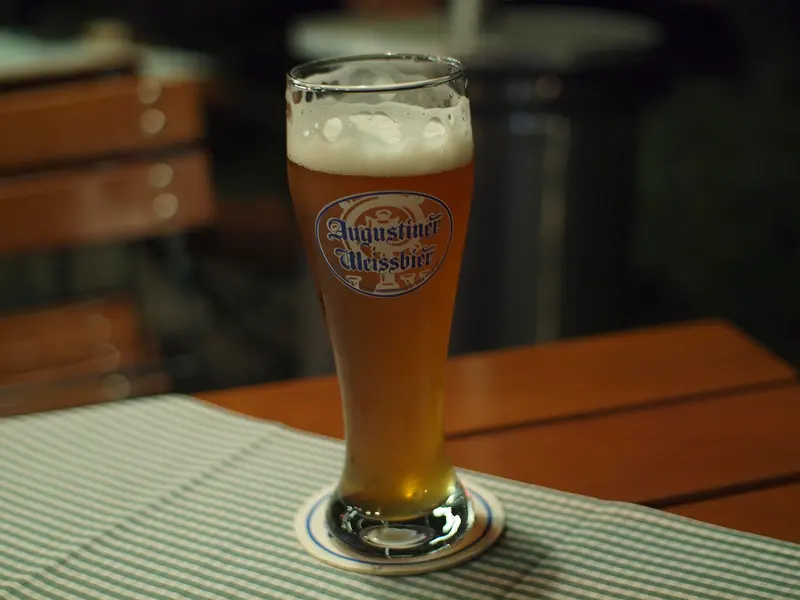
Wheat beer
Top-fermenting wheat beers, such as German Weissbier, have aromas Erdinger describes as fruity (apple, redcurrant, banana) with hints of clove. They are often served cloudy, with their yeast. See the wheat beer pour.
Ready to pour one? See how to pull the perfect pint and how to pour bottled beer. Strength matters: a pint of strong beer can contain about 3 units (NHS). See drinking responsibly.
Sources
- CAMRA — Beer styles: tasting notes
- Erdinger Weissbräu — How to pour the perfect Erdinger wheat beer
- NHS — Alcohol units
Checked when this entry was written. Links open the original source in a new tab.