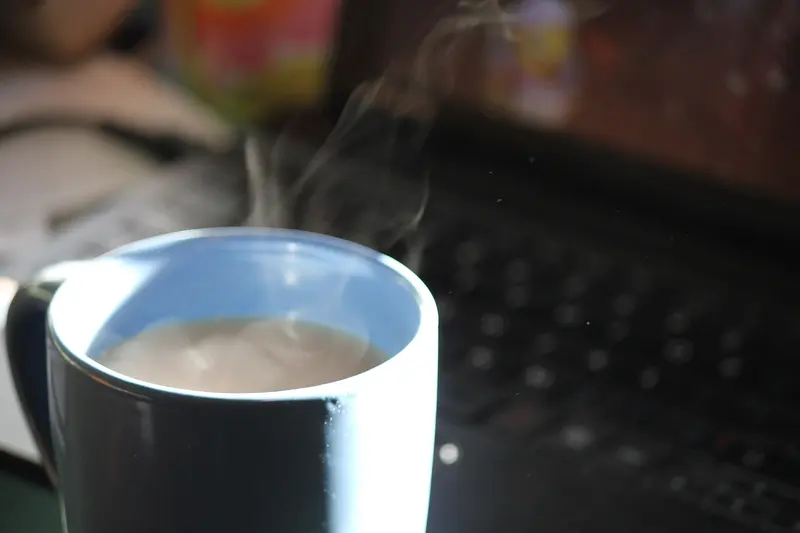
Winter is the season of hot drinks: tea at every visit, hot chocolate after a cold walk, a pan of something spiced on the hob at Christmas. It is also when homes are busiest, with visitors, presents on the floor and small children excited and underfoot.
The Child Accident Prevention Trust (CAPT), a UK charity, says most young children who are burnt are hurt at home, often when parents are caught off guard. Hot drinks are one of the most common causes. This article sets out CAPT's advice and the NHS first aid steps. It is general information, not medical advice.
Why hot drinks are such a risk
CAPT makes two points that surprise many people:
- A drink stays dangerous for a long time. In CAPT's words, "A hot drink can scald a baby even 15 minutes after it's been made." A mug of tea that has been put down and forgotten is still a hazard.
- Young skin is thin. CAPT says babies' and toddlers' skin is much thinner than an adult's, so the same spill does more damage.
And small children grab. A mug near the edge of a low table, a dangling tablecloth or a cup passed over their heads is within reach faster than you can react.
Habits that help
CAPT's advice is practical and easy to build into a routine:
- Put your child down before you pick up your hot drink.
- Put hot drinks well out of reach: a high shelf rather than a low coffee table.
- When making tea or coffee, push the mug to the back of the worktop before you turn to the fridge for the milk.
- If you want a cup while holding the baby, ask someone else to hold them, or put the baby in their own chair.
- Don't pass hot drinks over children's heads, at home or in a café, and seat children out of the walkway.
At Christmas it is worth telling visitors, too. Grandparents and friends who don't live with small children won't have the same habits.
Drinks made for children
When you make a hot chocolate or a warm milk for a child, let it cool before you hand it over, and test the temperature yourself. Our hot chocolate recipes are made in a pan or with a frother; whichever you use, the drink starts far hotter than a child can safely drink:
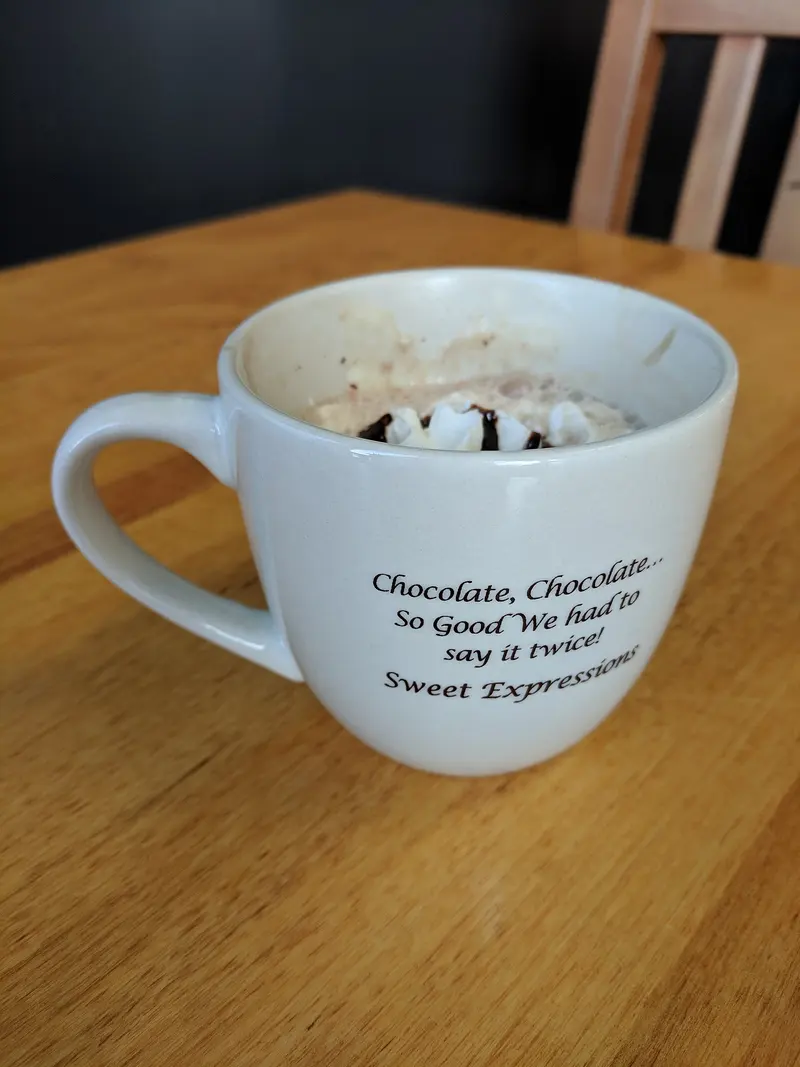
No. 129 · Hot chocolate
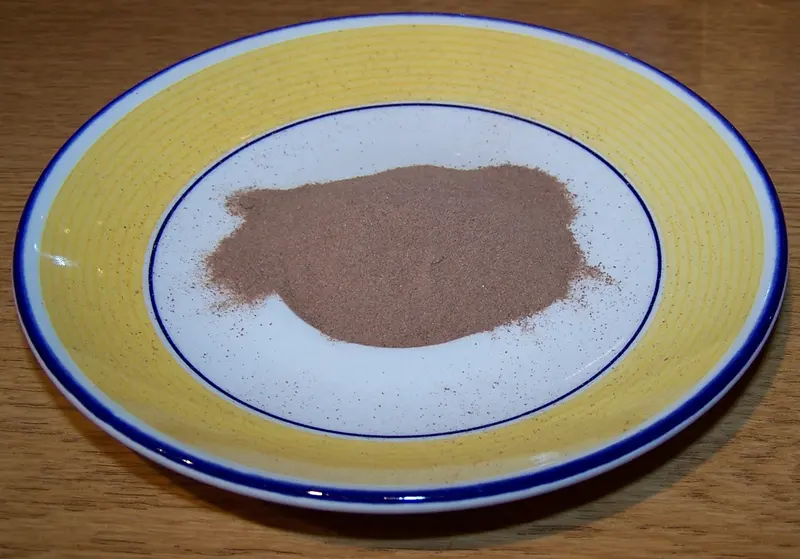
Cocoa hot chocolate
Cocoa and sugar whisked to a paste, then into hot milk. Quick, comforting and made from the cupboard. A house recipe.
Photo: DanielPenfield, CC BY-SA 4.0
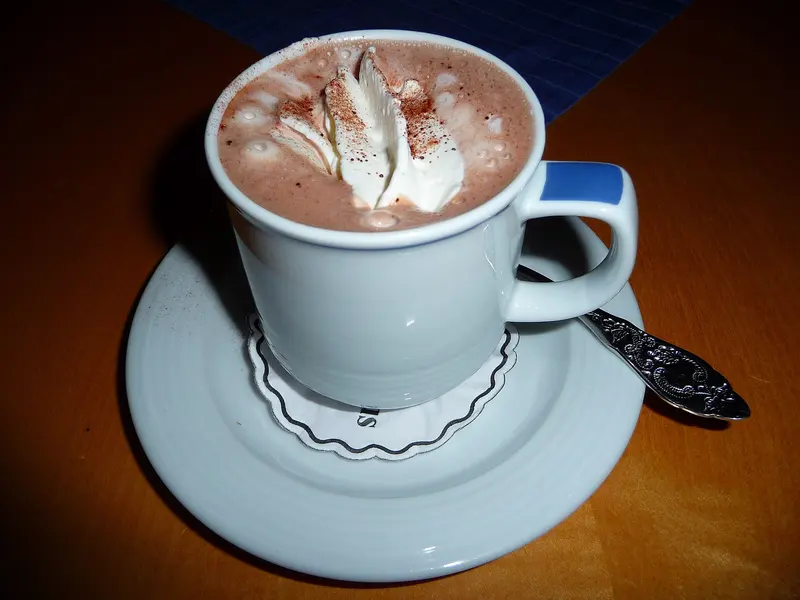
No. 130 · Hot chocolate
Proper hot chocolate
Real dark chocolate melted into hot milk for a thick, rich, less sweet drink. A house recipe.
Photo: 4028mdk09, CC BY-SA 3.0
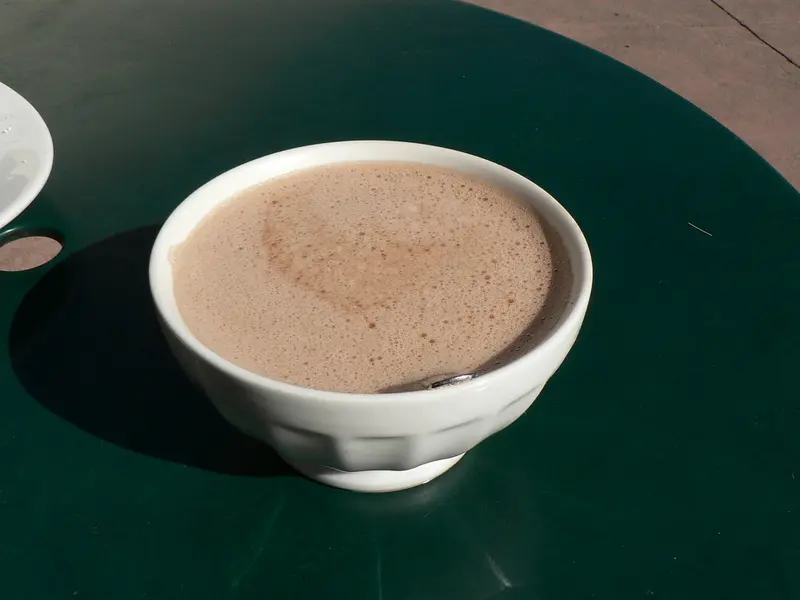
No. 132 · Hot chocolate
Spiced hot chocolate
Dark chocolate and milk warmed with cinnamon, nutmeg and orange zest; add a pinch of chilli for grown-ups. A house recipe.
Photo: stu_spivack, CC BY-SA 2.0
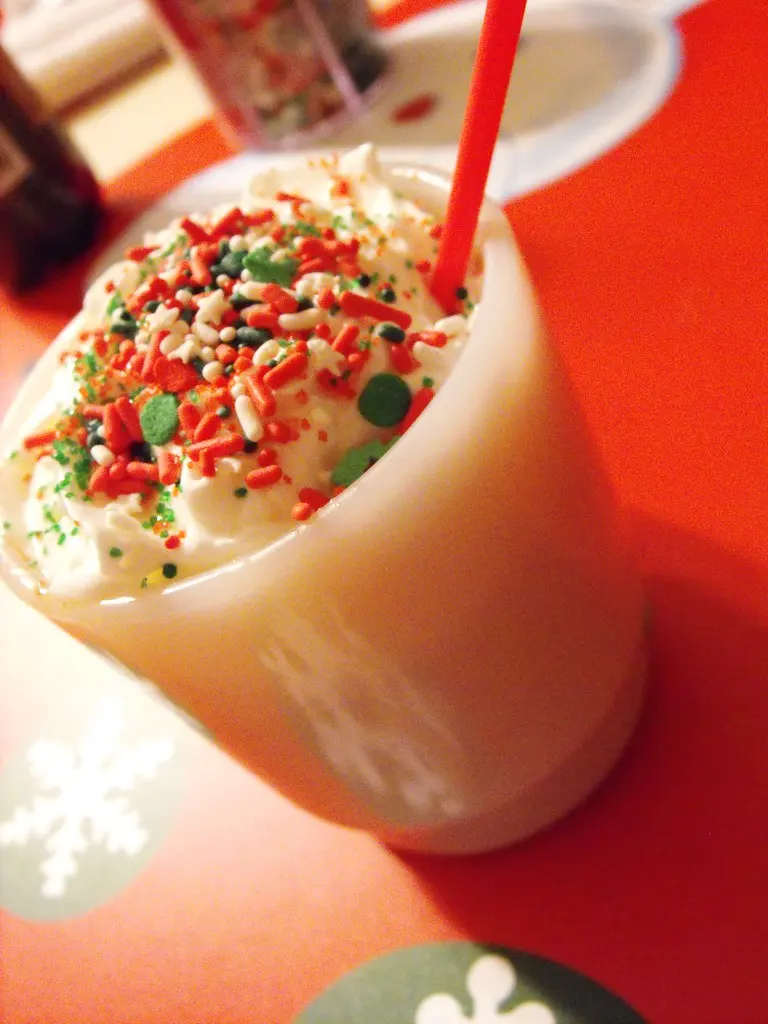
No. 131 · Hot chocolate
White hot chocolate
White chocolate melted into warm milk with a little vanilla. Sweet and creamy. A house recipe.
Photo: Holly Leighanne., CC BY 2.0
For adults, mulled wine and hot toddies are often made in a big pan on the hob at parties. The same thinking applies: keep the pan, and the filled glasses, well out of children's reach.
If a scald happens: NHS first aid
The NHS advice for burns and scalds is:
- Cool the burn under cool running water for 20 minutes. If there's no running water, use cool bottled water or a wet towel.
- Remove clothing and jewellery near the burnt area, but leave anything that is stuck to the skin.
- Cover it once cooled, by loosely laying cling film over the burn. The NHS says not to wrap it around.
- Don't put creams, oils or butter on it, don't use plasters or sticky dressings, and don't burst any blisters.
- Paracetamol or ibuprofen can help with pain (follow the dose on the pack for a child's age).
A last thought
None of this means giving up your cup of tea. A few habits (put the child down first, put the mug up high) cost nothing. If you want to make a better cup while you're at it, our guide to a proper cup of tea covers the rest.
Sources
Checked when this entry was written. Links open the original source in a new tab.
Checked 22 November 2026.