Pick up a tin in the baking aisle and it might say "cocoa", "fat-reduced cocoa", "drinking chocolate" or "hot chocolate". They aren't interchangeable, and some of those words have a legal meaning. In England, the Cocoa and Chocolate Products (England) Regulations 2003 reserve certain names for products that meet set recipes. Knowing what they mean helps you pick the right tin for the cup you want.
Cocoa: just the bean
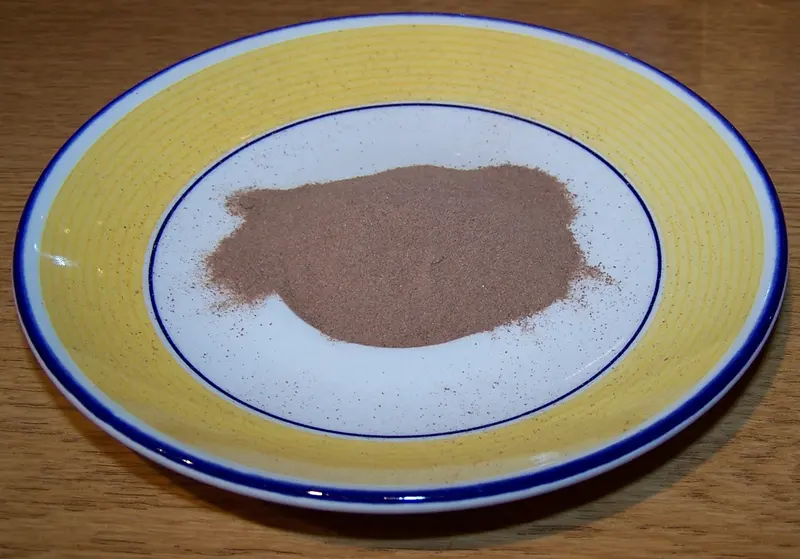
Under the regulations, "cocoa powder" or "cocoa" means the product made by turning cleaned, shelled and roasted cocoa beans into powder, containing not less than 20 per cent cocoa butter (by weight of the dry matter) and not more than 9 per cent water.
"Fat-reduced cocoa" is cocoa powder with less than 20 per cent cocoa butter.
Neither has sugar in it by definition. That is why plain cocoa tastes bitter on its own, and why our cocoa hot chocolate starts by whisking cocoa and sugar into a paste before the hot milk goes in: you control the sweetness.
Drinking chocolate: cocoa plus sugar
"Drinking chocolate" (also called "sweetened cocoa") is defined as a mixture of cocoa powder and sugars containing not less than 25 per cent cocoa powder. "Fat-reduced drinking chocolate" is the same idea made with fat-reduced cocoa.
Read that the other way round and it means a tin of drinking chocolate can be up to three-quarters sugar. If you want a less sweet drink, plain cocoa and your own sugar is the simpler route. The ingredients list on the tin shows what is actually in it.
"Hot chocolate" isn't on the list
The phrase "hot chocolate" isn't one of the reserved descriptions in the regulations' schedule, so a powder sold as "hot chocolate" isn't held to the cocoa percentages above. Such powders can contain other ingredients besides cocoa and sugar, so the ingredients list and nutrition panel are your guide.
And bars of chocolate
The same regulations define the bars you might melt into milk:
- Chocolate must contain not less than 35 per cent total dry cocoa solids, including at least 18 per cent cocoa butter and at least 14 per cent dry non-fat cocoa solids.
- Milk chocolate must contain not less than 25 per cent total dry cocoa solids and at least 14 per cent dry milk solids, among other minimums.
- White chocolate must contain not less than 20 per cent cocoa butter and at least 14 per cent dry milk solids. It has cocoa butter but no requirement for the darker cocoa solids, which is why it is pale.
Our proper hot chocolate uses real dark chocolate melted into hot milk, for a thicker and less sweet drink; white hot chocolate melts white chocolate into warm milk with vanilla.
Which to choose for which drink
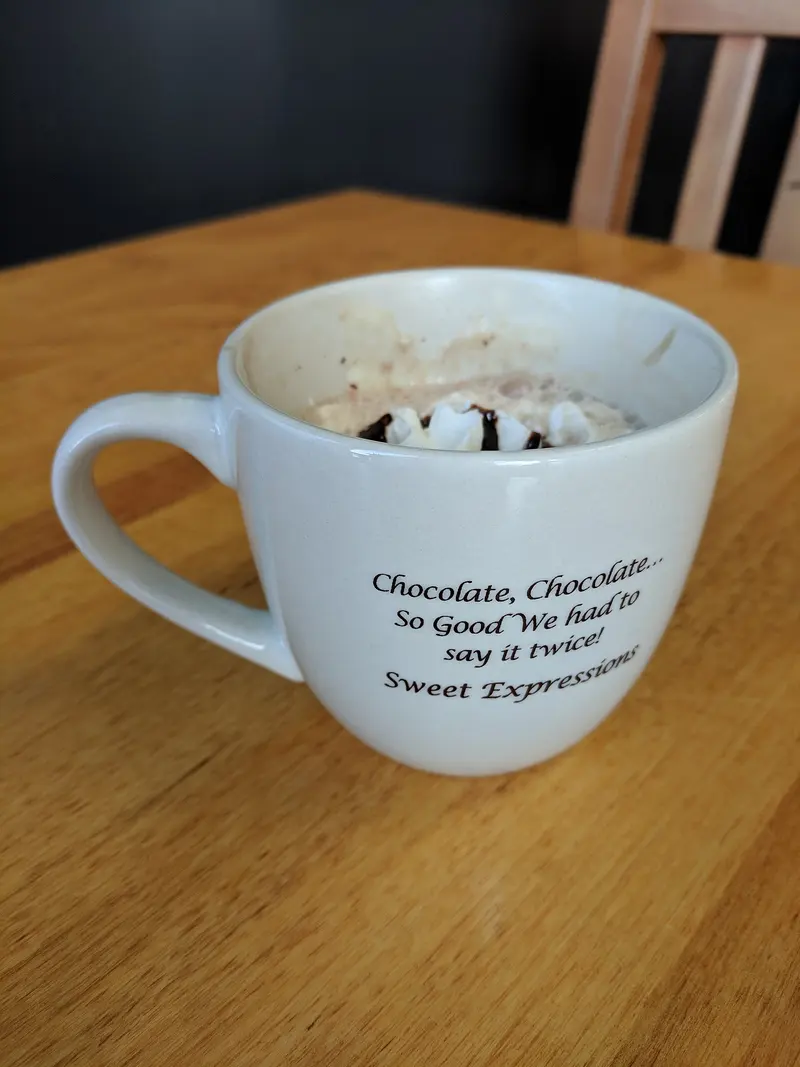
No. 129 · Hot chocolate
Cocoa hot chocolate
Cocoa and sugar whisked to a paste, then into hot milk. Quick, comforting and made from the cupboard. A house recipe.
Photo: DanielPenfield, CC BY-SA 4.0
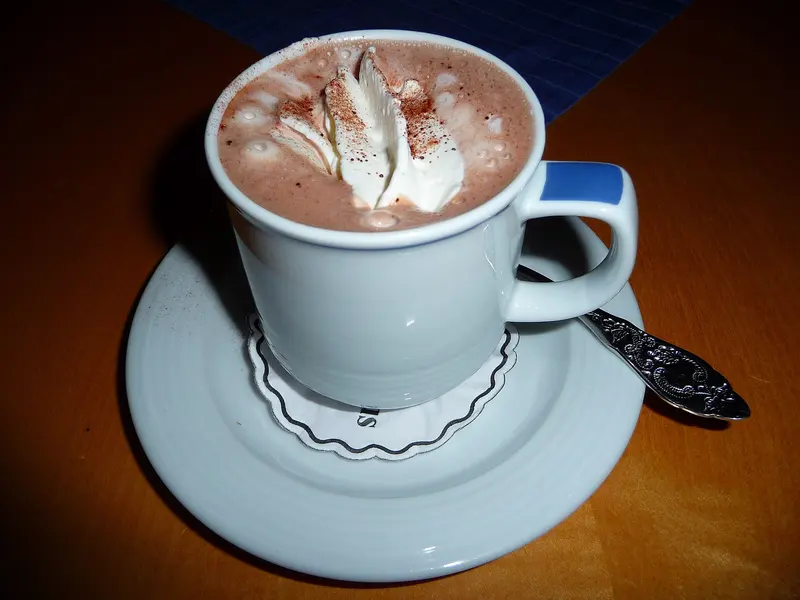
No. 130 · Hot chocolate
Proper hot chocolate
Real dark chocolate melted into hot milk for a thick, rich, less sweet drink. A house recipe.
Photo: 4028mdk09, CC BY-SA 3.0

No. 132 · Hot chocolate
Spiced hot chocolate
Dark chocolate and milk warmed with cinnamon, nutmeg and orange zest; add a pinch of chilli for grown-ups. A house recipe.
Photo: stu_spivack, CC BY-SA 2.0
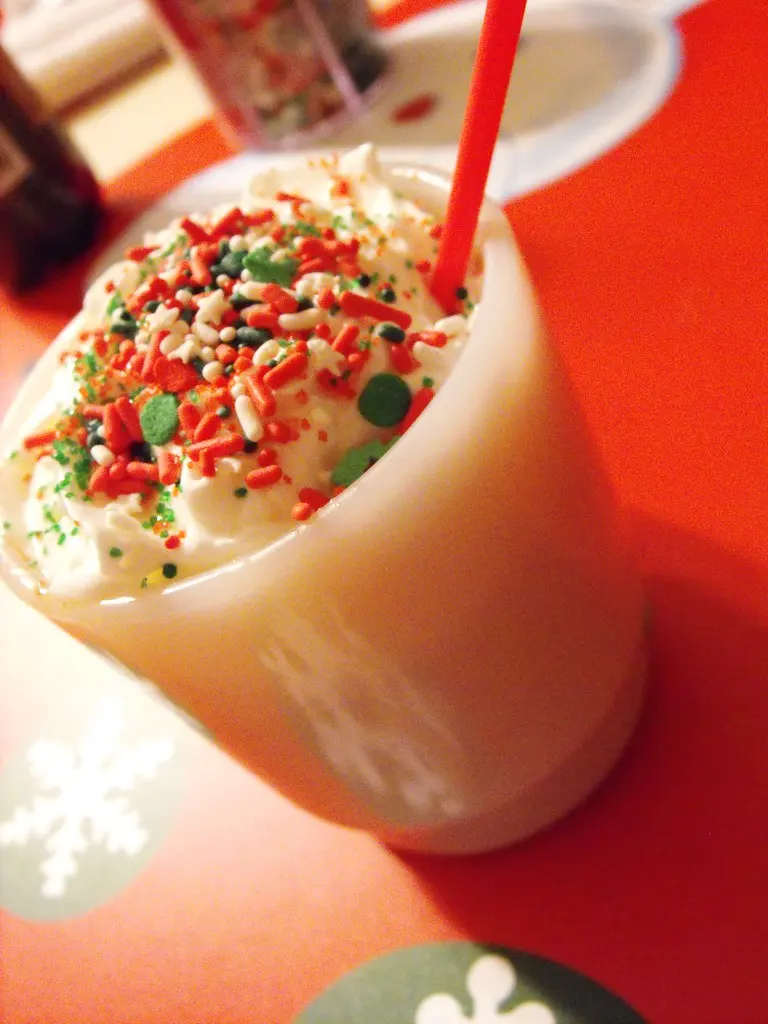
No. 131 · Hot chocolate
White hot chocolate
White chocolate melted into warm milk with a little vanilla. Sweet and creamy. A house recipe.
Photo: Holly Leighanne., CC BY 2.0
- Quick and from the cupboard: cocoa powder plus sugar to taste, whisked into hot milk.
- Rich and thick: a bar of chocolate, chopped and melted in.
- Spiced: spiced hot chocolate warms dark chocolate and milk with cinnamon, nutmeg and orange zest.
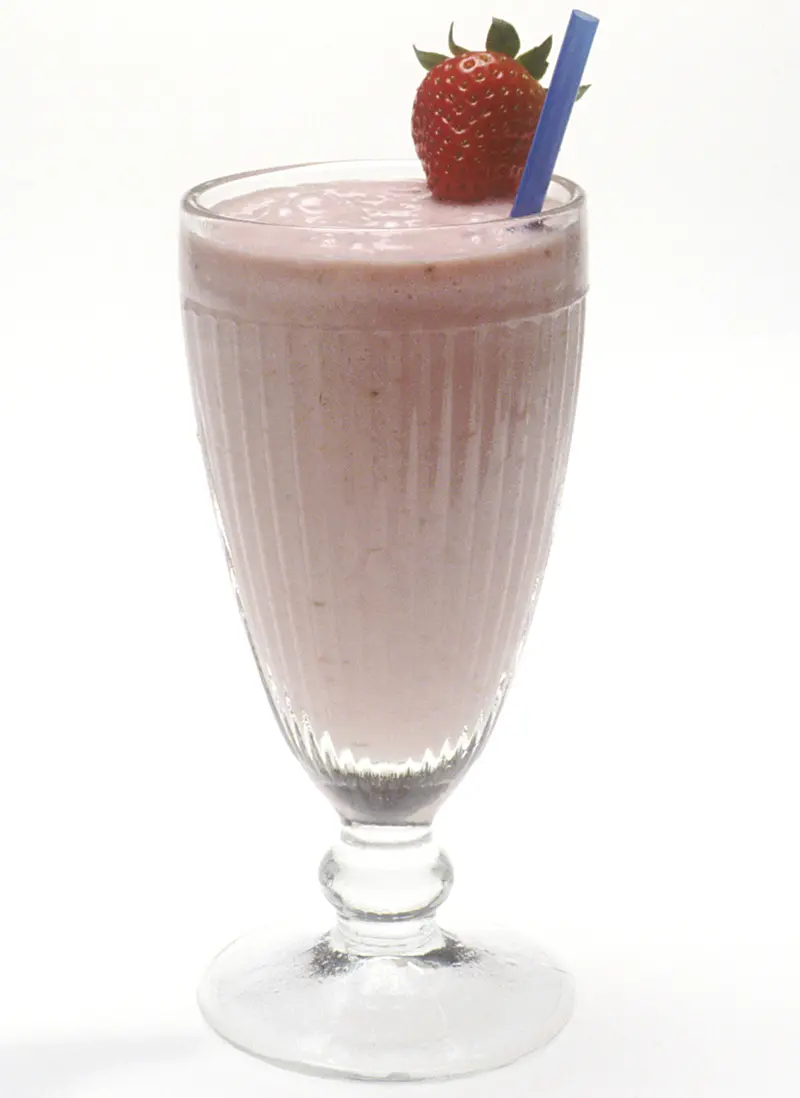
- Iced: cocoa powder works in a chocolate milkshake too.
A milk pan and a whisk or a frother are all the kit you need:
- Milk pan / saucepan Search Amazon.co.uk for Milk pan / saucepan (opens Amazon in a new tab)
- Small whisk Search Amazon.co.uk for Small whisk (opens Amazon in a new tab)
- Milk frother Search Amazon.co.uk for Milk frother (opens Amazon in a new tab)
Amazon links search Amazon.co.uk, so you can compare options yourself. As an Amazon Associate I earn from qualifying purchases.
Sugar and children
A mug of hot chocolate made with drinking chocolate can carry a fair amount of sugar, so it's worth checking the nutrition panel if it's a daily habit. For little ones, let any hot drink cool before you hand it over; our post on hot drinks and small children sets out the Child Accident Prevention Trust's advice on avoiding scalds.
A note on the law
The 2003 regulations quoted here are the England ones. Legislation.gov.uk says its revised version of the schedule may not be fully up to date, though it lists no outstanding changes to it. This is general information about labelling, not legal advice.
Sources
- legislation.gov.uk: The Cocoa and Chocolate Products (England) Regulations 2003, Schedule 1 (latest revised version)
- legislation.gov.uk: The Cocoa and Chocolate Products (England) Regulations 2003, Schedule 1 (as made)
Checked when this entry was written. Links open the original source in a new tab.
Checked 23 November 2026.